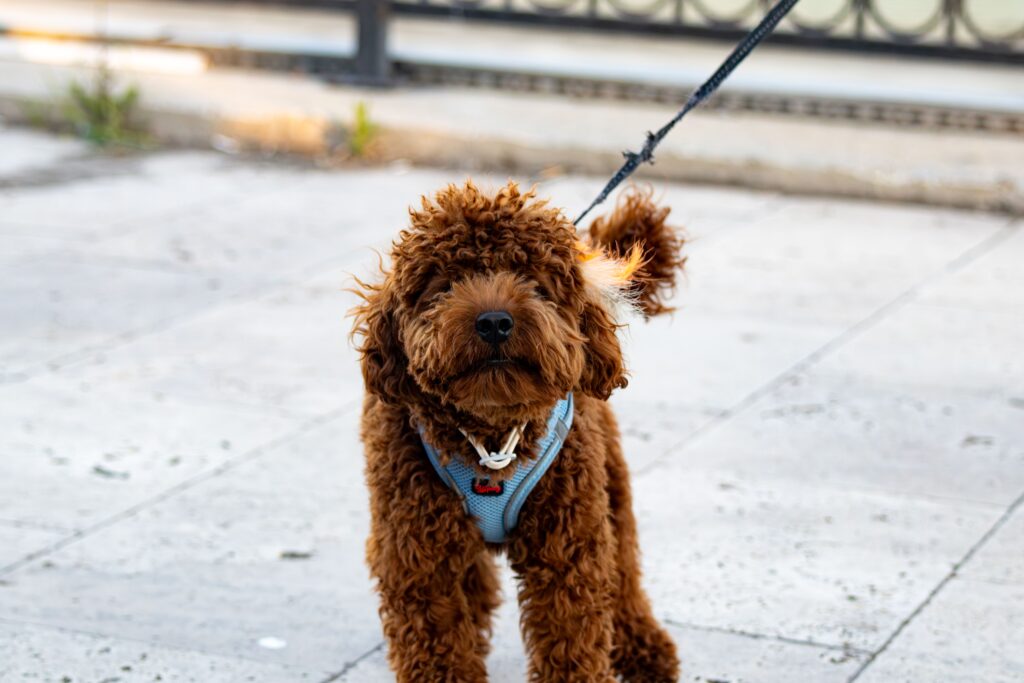
The best puppy harnesses help keep young dogs comfortable and secure during walks, training and outdoor adventures. A correctly fitted harness can spread pressure across the chest instead of concentrating it around the neck. However, the design, size and fit must suit your puppy’s body shape, growth and walking habits.
Our Top Puppy Harness Picks
We compared puppy harnesses based on practical features that matter for young dogs, including adjustability, comfort, attachment points, ease of use and suitability for a growing puppy. We also considered whether each harness serves a distinct purpose rather than recommending several products with essentially the same design.
Our selections include an all-around everyday harness, a lightweight option for smaller puppies, a heavier-duty option for larger puppies and a convenient harness-and-leash set. The right harness will depend on your puppy’s measurements, body shape, walking habits and stage of growth.
Affiliate Disclosure
This article contains affiliate links. If you make a purchase through one of these links, My Puppy Handbook may earn a commission at no additional cost to you. As an Amazon Associate, I earn from qualifying purchases. Affiliate relationships do not determine which products we recommend.
Quick Comparison of Our Top Puppy Harness Picks
These puppy harnesses were selected for different needs and budgets. Compare the main features below, then see our individual recommendations for more details.
Table of Contents
| Puppy Harness | Our Pick | Harness Style | Adjustable | Best For |
|---|---|---|---|---|
| rabbitgoo Dog Harness | Best Overall | Padded vest-style harness | Yes* | Everyday walks and training |
| Puppia Soft Dog Harness | Best for Small Puppies | Breathable mesh vest | Yes* | Small puppies and lightweight everyday walks |
| AUROTH Dog Harness | Best Heavy-Duty | Padded tactical-style harness | Yes* | Larger puppies and more robust everyday use |
| tobeDRI No Pull Dog Harness | Best Harness & Leash Set | Padded no-pull harness | Yes* | Owners wanting a harness and leash together |
Features can vary by size, style or model. Check the current product specifications and sizing information before ordering.
1. rabbitgoo Dog Harness — Best Overall
The rabbitgoo Dog Harness is our Best Overall pick for puppy owners looking for an adjustable everyday harness. It is available in a wide range of sizes, making it easier to choose a fit based on your puppy’s measurements rather than breed alone.
The harness uses a padded vest-style design with adjustable straps and reflective detailing. The listing also shows two leash attachment points, giving owners options for everyday walks and training.
Why we like it
- Available in multiple sizes from X-Small through X-Large
- Adjustable design to help achieve a better fit
- Padded vest-style construction
- Reflective detailing for added visibility
- Two leash attachment points
- Suitable as an everyday walking harness
Things to consider
- Measure your puppy carefully before selecting a size
- Growing puppies will need their harness fit checked regularly
- A harness should fit securely without restricting normal movement
- Colors, sizing and other specifications can vary, so check the current listing before ordering
Best for: Puppy owners looking for a versatile, adjustable harness for everyday walks and training.
Check the rabbitgoo Dog Harness on Amazon (paid link)
2. Puppia Soft Dog Harness — Best for Small Puppies
The Puppia Soft Dog Harness is our Best for Small Puppies pick for owners looking for a lightweight, comfortable harness for everyday walks. Its soft mesh vest-style construction provides coverage around the chest while avoiding the heavier, more structured design of some no-pull harnesses.
The harness also features an adjustable chest belt and quick-release buckle, allowing the fit to be adjusted around your puppy’s body. Its lightweight mesh construction makes it particularly appealing for smaller puppies.
Why we like it
- Lightweight breathable mesh construction
- Adjustable chest belt
- Quick-release buckle
- Soft vest-style design
- Available in multiple colors
- Less bulky than many structured walking harnesses
Things to consider
- Measure your puppy before choosing a size
- Check the fit frequently as your puppy grows
- It offers fewer adjustment points than some more structured harnesses
- Check the current listing for size-specific specifications
Best for: Small puppies that need a lightweight, soft harness for everyday walking.
Check the Puppia Soft Dog Harness on Amazon (paid link)
3. AUROTH Dog Harness — Best Heavy-Duty
The AUROTH Dog Harness is our Best Heavy-Duty pick for puppy owners looking for a more robust harness, particularly for larger puppies. Its padded tactical-style design provides more coverage than the lightweight harnesses in our roundup while still offering adjustable straps for achieving a secure fit.
The harness also includes reflective detailing and a handle on the back. With multiple sizes available, owners can choose according to their puppy’s measurements rather than relying on breed alone.
Why we like it
- Robust padded construction
- Adjustable fit
- Available in multiple sizes
- Reflective detailing
- Handle on the back
- Suitable for larger puppies that need a more substantial harness
Things to consider
- Bulkier than a lightweight mesh harness
- Measure your puppy carefully before choosing a size
- Check and readjust the fit regularly as your puppy grows
- Smaller puppies may be better suited to a lighter harness
- Check the current listing for size-specific features and specifications
Best for: Larger puppies and owners looking for a more substantial everyday walking harness.
Check the AUROTH Dog Harness on Amazon (paid link)
4. tobeDRI No Pull Dog Harness — Best Harness & Leash Set
The tobeDRI No Pull Dog Harness is our Best Harness & Leash Set pick for puppy owners who want a walking harness and leash together. The set combines an adjustable, padded harness with a matching leash, making it a convenient option for owners putting together their puppy’s walking gear.
The harness features reflective detailing and front and back leash attachment points. Its adjustable design also allows owners to fine-tune the fit as their puppy grows, although the fit should be checked regularly.
Why we like it
- Harness and leash included together
- Adjustable design
- Front and back leash attachment points
- Reflective detailing
- Padded construction
- Available in different sizes and colors
Things to consider
- Measure your puppy before selecting a size
- Check and adjust the fit regularly as your puppy grows
- The included leash may not suit every owner’s preferred length or style
- Puppies that chew their harness or leash should be supervised
- Check the current listing for size-specific features and specifications
Best for: Puppy owners who want an adjustable harness and leash together in one convenient set.
Check the tobeDRI No Pull Dog Harness & Leash Set on Amazon (paid link)
How We Chose These Puppy Harnesses
We compared these puppy harnesses using practical criteria that matter for growing puppies, including adjustability, comfort, available sizes, leash attachment options, ease of use and suitability for different walking needs. We also selected harnesses that serve different purposes rather than recommending four very similar products.
Our picks include an everyday harness, a lightweight option for smaller puppies, a heavier-duty harness for larger puppies and a harness-and-leash set. We reviewed the product information and specifications available on the current listings, but sizes, materials and features can change over time.
We did not select products based solely on price or marketing claims. Puppy owners should measure their puppy carefully, follow the manufacturer’s current sizing guide and check the fit regularly as their puppy grows.
Why Choose a Harness Instead of a Collar?
A harness can provide greater control while a puppy is learning to walk on a lead. Because the lead attaches to the harness rather than the collar, sudden pulling is less likely to place all the pressure around the puppy’s neck.
Your puppy can still wear a properly fitted collar with identification tags. However, a harness may be the more comfortable place to attach the lead during walks. Neither option replaces patient, reward-based lead training.
Types of Puppy Harnesses
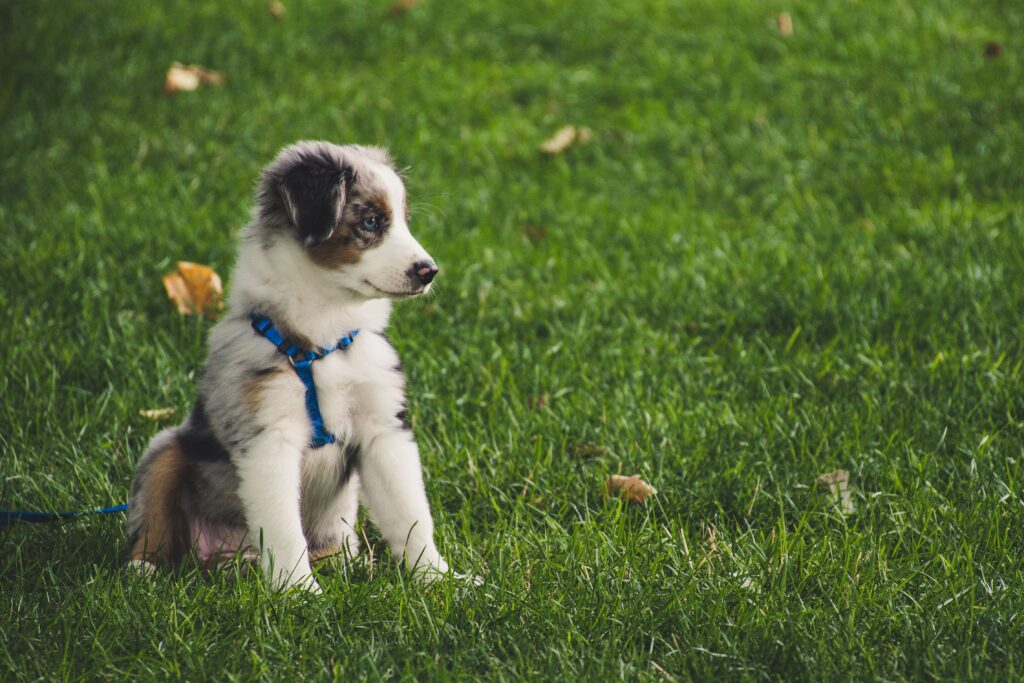
Harnesses differ in shape, attachment points and how they are placed on the puppy. Consider your puppy’s comfort and walking needs instead of choosing a harness based only on color or appearance. If you are preparing for a new arrival, our guide to what to buy before bringing a puppy home covers harnesses and other useful supplies.
| Harness Type | Best For | Important Considerations |
|---|---|---|
| Back-clip harness | Everyday walking | Simple to use but may offer less control for strong pullers |
| Front-clip harness | Lead training | Can help redirect pulling when correctly fitted |
| Dual-clip harness | Flexible walking and training | Allows the lead to attach at the front or back |
| Y-shaped harness | Comfortable movement | Designed to avoid crossing directly over the shoulders |
| Step-in harness | Puppies that dislike overhead harnesses | Must be adjusted carefully to prevent escape |
How to Choose the Best Puppy Harnesses
The best puppy harnesses should fit securely without restricting natural movement. Look for adjustable straps, strong fastenings and materials that will not rub your puppy’s skin. The harness should not sit across the throat or dig into the area behind the front legs.
Always follow the manufacturer’s size chart because sizing can vary between products. Do not buy a very large harness simply because your puppy will eventually grow into it. A loose harness may allow the puppy to back out and escape.
How to Measure Your Puppy for a Harness
Use a soft measuring tape and take the measurements while your puppy is standing. Keep the tape close to the body without pulling it tightly.
| Measurement | How to Measure |
|---|---|
| Chest girth | Measure around the widest part of the ribcage, usually just behind the front legs |
| Lower neck | Measure around the base of the neck where the harness will sit |
| Weight | Compare your puppy’s current weight with the manufacturer’s size guide |
After putting the harness on, check that you can slide approximately two flat fingers beneath the straps. Use this only as a general starting point—the harness should fit securely without gaping, twisting, rubbing or restricting your puppy’s movement. The RSPCA’s leash-equipment guide also emphasizes choosing equipment that fits properly and is appropriate for your puppy.
Harnesses for Small- and Large-Breed Puppies
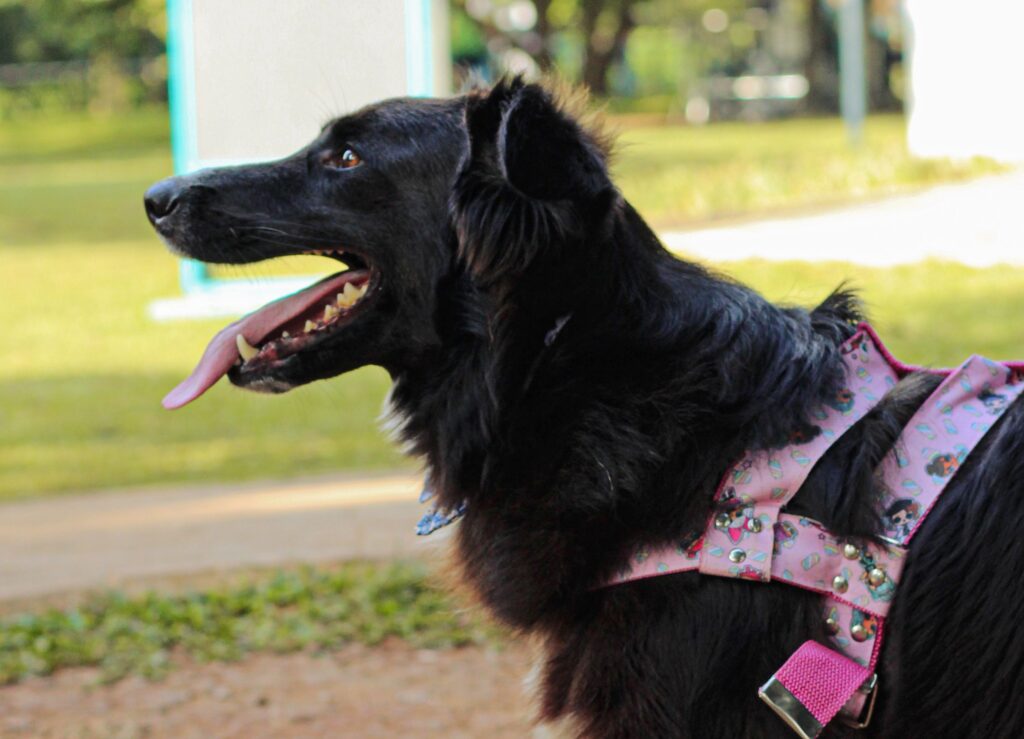
Small puppies generally benefit from a lightweight harness with soft straps and fastenings that are not unnecessarily bulky. Large-breed puppies may need wider straps, durable hardware and several adjustment points. The best puppy harnesses for both small and large breeds provide security without adding excessive weight or interfering with movement.
Front-Clip Versus Back-Clip Harnesses
A back-clip harness is simple to use and may suit a puppy that already walks calmly. A front attachment can help redirect a puppy that pulls, but the harness must remain properly positioned and should not twist across the body.
No harness will teach loose-lead walking on its own. Combine the equipment with treats, praise and short training sessions that reward your puppy for walking beside you.
How to Introduce Your Puppy to a Harness
Allow your puppy to sniff the harness before placing it on them. The Dogs Trust harness-training guide recommends introducing a harness gradually with rewards and choosing a design that does not restrict natural shoulder movement.
Reward calm behavior with praise or a small treat. Gentle harness practice can become part of your puppy’s routine during their first week in a new home. Put the harness on for a few seconds indoors, remove it and repeat the process gradually.
Once your puppy appears comfortable, let them wear it briefly while supervised. Attach a lightweight lead indoors before attempting a short outdoor walk. Never chase or force your puppy into the harness, as this may create fear.
Common Harness Mistakes
- Choosing a harness that is too loose or too tight.
- Buying a large size for a puppy to grow into.
- Allowing straps to rub behind the front legs.
- Forgetting to adjust the harness as the puppy grows.
- Continuing to use damaged straps, clips or buckles.
- Expecting a harness to stop pulling without training.
- Leaving the harness on while the puppy is unsupervised.
When Should a Puppy Wear a Harness?
A puppy can wear a lightweight, correctly fitted harness during supervised lead training and walks. Begin with short practice sessions and increase the time gradually as your puppy becomes comfortable. Our guide to the best puppy crates explains how to create a secure resting area and why a puppy’s harness should be removed before crating.
Remove the harness after walks and before your puppy is left alone, placed in a crate or settled for sleep. This helps prevent chewing and reduces the risk of the harness becoming caught on furniture or crate fittings.
Check the Harness After Every Walk
Look for redness, hair loss or rubbing beneath the straps. Check that the clips still close securely and that the fabric has not become stretched, torn or frayed. Replace the harness if any part becomes damaged or unreliable.
Frequently Asked Questions
Are harnesses better than collars for puppies?
A harness can be helpful for walking because it distributes lead pressure across a broader area of the body. The best puppy harnesses fit securely, permit comfortable movement and suit the individual puppy. A collar may still be used for identification when it is safe and appropriate.
How tight should a puppy harness be?
The harness should fit securely without restricting your puppy’s breathing or movement. As a general starting point, you should be able to slide approximately two flat fingers beneath the straps. Also check that the harness does not gap, twist or rub and that your puppy cannot easily back out of it.
Can puppies wear a harness every day?
Puppies can wear a correctly fitted harness during daily walks and supervised training. Remove the harness during sleep and whenever your puppy is left unsupervised to reduce the risk of chewing or the harness becoming caught on something.
How often should I check the harness size?
Check the fit regularly and whenever you notice a change in your puppy’s weight, coat or body shape. Loosen or replace the harness before it becomes tight or begins to rub.
Key Things to Remember
- Measure your puppy before choosing a harness.
- Follow the size chart for the specific product.
- Check that the harness does not restrict shoulder movement.
- Adjust the straps as your puppy grows.
- Introduce the harness gradually using rewards.
- Remove the harness during sleep and unsupervised periods.
- The best puppy harnesses are secure, comfortable and appropriate for your puppy’s size and body shape.