
What to buy before bringing a puppy home is one of the first questions new puppy owners face. Walking into a pet shop can make it seem as though your puppy needs an entire trolley of supplies, but the essentials are actually quite manageable.
Before your puppy arrives, focus on the things they will need for eating, sleeping, toilet training, grooming, safe travel and settling into their new home.
Use this complete puppy checklist to get the important supplies ready first. You can always buy the extras once you know more about your puppy’s size, personality and preferences.
Table of Contents
What to Buy Before Bringing a Puppy Home: Essential Checklist
Before your puppy comes home, consider having these essentials ready:
- Puppy food
- Food and water bowls
- Comfortable bed and washable bedding
- Crate and/or puppy playpen
- Collar or harness
- Identification tag
- Lightweight lead
- Safe puppy toys
- Puppy training treats
- Grooming brush or comb
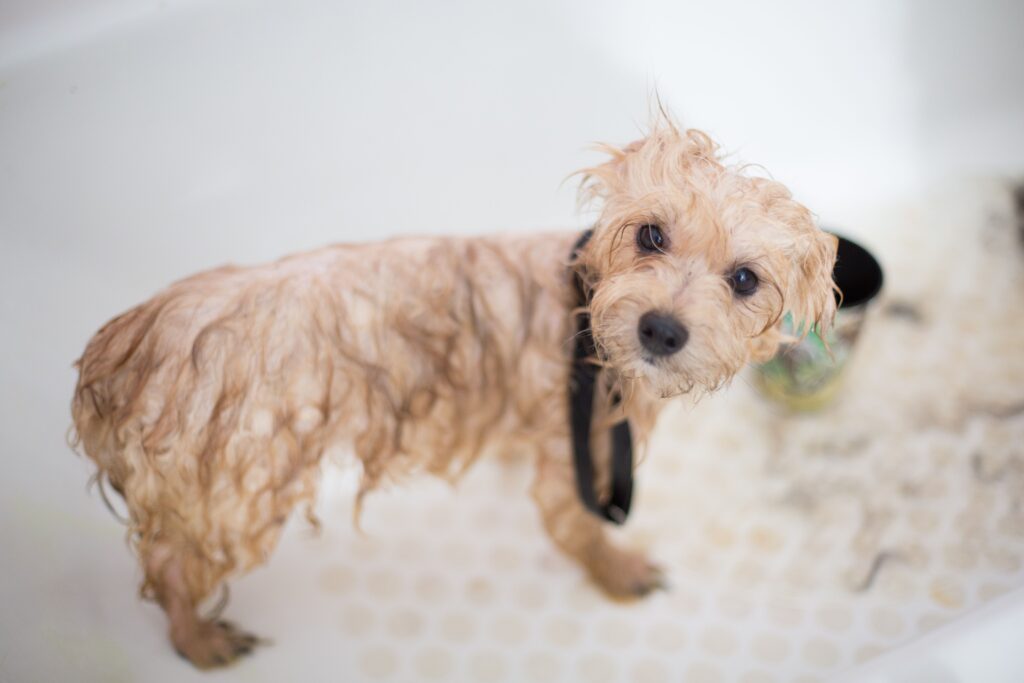
- Puppy-appropriate shampoo
- Dog toothbrush and toothpaste
- Poop bags
- Enzyme cleaner for accidents
- Car restraint or suitable travel crate
You don’t necessarily need the most expensive version of everything. Safety, correct sizing, ease of cleaning and suitability for your individual puppy matter more than matching accessories.
1. Puppy Food
Having your puppy’s food ready before they arrive means you won’t be scrambling to choose something on their first evening home. If you’re still deciding what to buy, see our guide to the best puppy food for our recommended options. If possible, find out what your puppy has already been eating. A breeder, rescue organization or previous carer should be able to tell you the brand and type of food.
Keeping your puppy on their familiar food initially can help avoid an unnecessary sudden dietary change while they’re also adjusting to a new environment. If you later decide to change foods, introduce the new food gradually rather than switching abruptly. Choose a complete and balanced food appropriate for growth and suitable for your puppy’s needs. If you’re unsure what to feed, ask your veterinarian for advice.
2. Food and Water Bowls
Your puppy will need separate bowls for food and fresh drinking water. Look for bowls that are:
- appropriate for your puppy’s size
- stable enough not to slide around easily
- simple to wash
- made from a durable material
Stainless steel bowls are a popular option because they are durable and easy to clean. You don’t need an elaborate feeding station before your puppy arrives. Two appropriately sized, washable bowls are enough to get started.
3. A Comfortable Puppy Bed
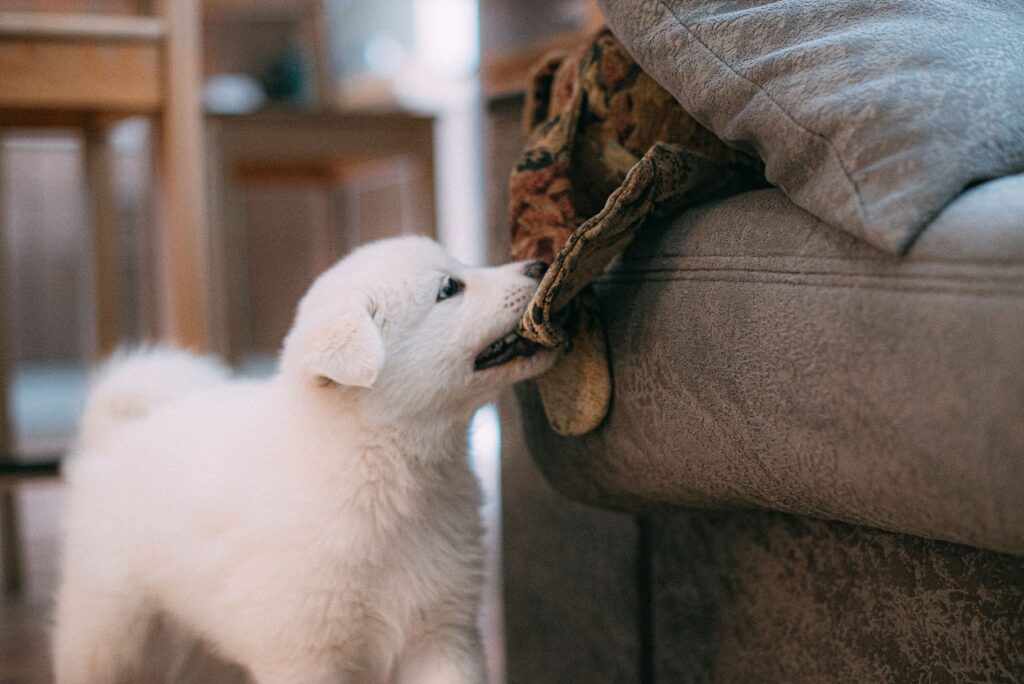
Your new puppy needs somewhere comfortable to rest and sleep. Choose a bed that’s appropriate for your puppy’s current size, but don’t feel pressured to buy an expensive designer bed immediately. Young puppies may chew their bedding or have toilet-training accidents.
A practical, washable bed can therefore be a better choice during the early months. Having an extra washable blanket or piece of bedding can also be useful when one needs cleaning. Place the bed somewhere your puppy can rest without constantly being disturbed. If you’re choosing a bed before your puppy arrives, see our guide to the best puppy beds for comfortable and practical options.
4. A Crate or Puppy Playpen
A crate or playpen can help you create a safe, manageable area for your puppy. If you choose a crate, it should be large enough for your puppy to stand up, turn around and lie down comfortably. Because puppies grow quickly, some owners choose a larger crate with a divider that can be adjusted as the puppy grows.
If you’re deciding which crate to buy, see our guide to the best puppy crates for safe and practical options.
A playpen can provide a larger controlled area for supervised play and rest when you can’t give your puppy your full attention. Neither should be used as a substitute for exercise, interaction or toilet breaks. Introduce your puppy to their crate or playpen gradually and positively rather than simply shutting them inside for long periods on their first day.
5. Collar, Harness, ID Tag and Lead
A properly fitted collar or harness and a lightweight lead are useful basics to have ready. Fit is important. Puppies grow quickly, so regularly check that collars and harnesses haven’t become too tight.
If you’re choosing a harness, see our guide to the best puppy harnesses for small and large breeds.
An identification tag can provide a quick way for someone to contact you if your puppy becomes lost. Include appropriate contact information rather than relying solely on your puppy’s name. Your local area may also have legal requirements relating to dog registration, identification or microchipping, so check the rules that apply where you live.
6. Safe Puppy Toys
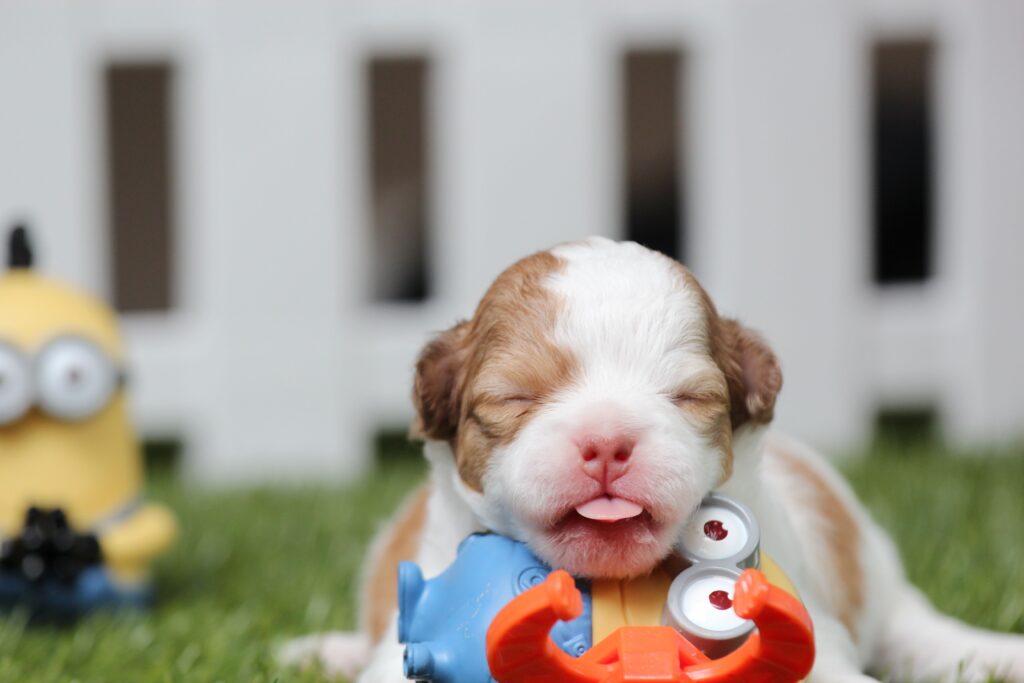
Puppies explore their environment with their mouths, making appropriate toys an important part of your starter kit. You don’t need a mountain of them. Start with a small selection, such as:
- an appropriate chew toy
- an interactive toy
- a soft toy suitable for puppies
- a toy for playing together
Choose toys suitable for your puppy’s size and chewing behavior. Avoid toys or detachable pieces small enough to be swallowed. Inspect toys regularly and remove them if they become damaged or start breaking into pieces. Once your puppy is home, you’ll quickly discover which types of toys they actually enjoy.
If you’re choosing toys before your puppy arrives, see our guide to the best puppy toys for chewing and playtime.
7. Puppy Treats
Small treats can be useful when you begin reward-based training. Choose treats suitable for puppies and use small portions. Remember that treats contribute to your puppy’s overall daily food intake.
You can also use some of your puppy’s normal food as training rewards, depending on the food and your puppy’s feeding routine. There is no need to buy several large bags before your puppy arrives. Start small until you discover what your puppy likes and tolerates well.
8. Basic Grooming Supplies
Starting gentle grooming, routines early can help your puppy become accustomed to being handled. The grooming equipment you need will depend partly on your puppy’s coat, but a basic kit might include:
- an appropriate brush or comb
- puppy-appropriate shampoo
- nail-care equipment
- a dog toothbrush
- dog toothpaste
Never use human toothpaste for your puppy. Some coat types require more specialized grooming than others. If you’re unsure which brush or grooming tools suit your puppy’s coat, ask your veterinarian or a professional groomer.
9. Cleaning and Toilet-Training Supplies
Accidents are a normal part of raising a young puppy, so cleaning supplies deserve a place on your shopping list. Have poop bags ready for outdoor clean-ups and an appropriate cleaner for indoor accidents.
An enzymatic cleaner designed for pet messes can be particularly useful because it helps break down organic material associated with urine and other accidents. Keep cleaning products safely stored where your puppy can’t reach them. Having supplies ready before the first accident makes the early toilet-training stage considerably less stressful.
10. Safe Car Travel Equipment
This is an easy item to forget when deciding what to buy before bringing a puppy home. Your puppy may need to travel in a car on the very first day, so think about safe transportation before collecting them.
Depending on your puppy’s size and the applicable laws where you live, suitable equipment might include a secure travel crate or an appropriate vehicle restraint designed for dogs. Don’t plan to simply hold a puppy in your arms while someone drives. If you’re unsure about suitable restraint equipment or local requirements, check the road-safety guidance for your location before collection day.
What You Don’t Need to Buy Right Away
It is easy to overspend before you’ve even met your puppy. You probably don’t need an enormous toy collection, several expensive beds, fancy outfits or every puppy gadget advertised online.
Puppies grow quickly, and their preferences can surprise you. The expensive bed you carefully selected might be completely ignored in favor of lying on the cool floor. Start with the essentials, after your puppy settles in, you’ll have a much better idea of what additional products are genuinely useful.
How Much Should You Budget for Puppy Supplies?
There isn’t one budget that will suit every household or puppy. The amount you spend will depend on your puppy’s size, the products you choose and which supplies you may already have at home.
When planning your budget, start with the essentials. Your puppy will need appropriate food and bowls, a comfortable place to sleep, equipment for safe travel, a properly fitted collar or harness and lead, cleaning supplies, basic grooming items and a small selection of suitable toys.
You don’t need to buy premium versions of everything. Look for products that are safe, practical, easy to clean and appropriate for your puppy’s size. Some items, particularly collars, harnesses, beds and crates, may need to be replaced or adjusted as your puppy grows.
Remember that your initial shopping trip is only part of the cost of bringing home a puppy. You should also budget for ongoing expenses such as food, veterinary care, vaccinations, parasite prevention, registration where required, grooming and replacement supplies.
Planning for both the initial purchases and ongoing costs can help you prepare for puppy ownership without spending unnecessarily before your puppy even arrives.
Shopping Tips for First-Time Puppy Owners
Before filling your trolley, keep these simple rules in mind:
- Buy for your puppy’s current size, while considering how quickly they may grow.
- Prioritise safe, washable and durable products.
- Check toys regularly for damage.
- Find out what food your puppy is already eating.
- Don’t buy huge quantities of treats or food before knowing what suits your puppy.
- Measure your puppy when choosing collars, harnesses and other fitted equipment.
- Keep receipts where possible in case something doesn’t fit.
- Focus on necessities before buying optional accessories.
A shorter, well-planned shopping list will usually serve you better than buying everything labelled “puppy.”

Frequently Asked Questions
Do I need a crate before bringing my puppy home?
No, every household doesn’t necessarily have to use a crate. However, a properly introduced crate can provide a secure resting space and can be useful as part of managing a young puppy. A playpen or another appropriately puppy-proofed area may also work depending on your home and routine.
If you use a crate, make it a positive space and don’t use it as punishment.
How many toys should I buy for a new puppy?
You don’t need a specific number.
Starting with around three or four different types of suitable toys can help you discover what your puppy enjoys without buying a huge collection.
Safety matters more than quantity. Choose toys appropriate for your puppy’s size and supervise them with toys when necessary.
Should I buy adult dog food for my puppy?
Generally, puppies should be fed a complete and balanced diet formulated for growth rather than standard adult-maintenance food. Your puppy’s nutritional needs will change as they mature, and the appropriate time to transition to adult food can vary depending on factors such as expected adult size.
If you’re unsure which food is appropriate, speak with your veterinarian.
Should I buy everything before my puppy arrives?
No.
Have the essentials ready, particularly food, water and food bowls, somewhere safe to sleep, appropriate restraint equipment, cleaning supplies and basic equipment such as a collar or harness and lead.
Optional accessories can wait. Waiting can actually save money because you’ll learn more about your puppy’s size, habits and preferences after they come home.
What should I ask the breeder or rescue before buying supplies?
Before shopping, ask what food your puppy currently eats, their normal feeding routine and whether there are any familiar items they recommend bringing home. You can also ask about your puppy’s vaccination and veterinary records, microchip information where applicable, current routine and anything else you’ll need to continue their care.
Key Things to Remember
Figuring out what to buy before bringing a puppy home doesn’t have to become an enormous shopping project.
Start with food, bowls, a comfortable sleeping area, safe confinement or management equipment, a collar or harness and lead, a few appropriate toys, grooming basics and cleaning supplies. Prepare for safe transportation too, especially if you’ll be collecting your puppy by car.
Most importantly, buy for the puppy you’re actually bringing home rather than the puppy-products aisle. Once your new puppy settles in, you’ll have plenty of time to discover which extras are genuinely worth buying.