
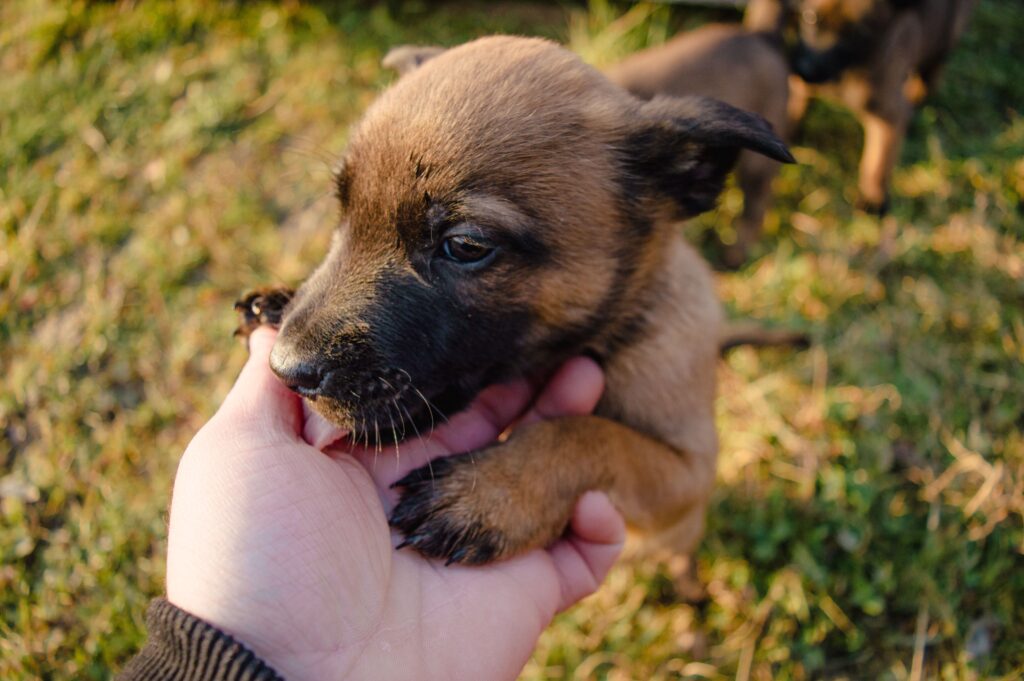
How to stop a puppy from biting is one of the biggest concerns for new puppy owners. Although biting can be frustrating, it is a normal part of puppy development. Puppies use their mouths to explore, play and relieve discomfort during teething. With patience, consistency and positive training, you can teach your puppy what is acceptable to bite and what should be left alone.
Why this matters: Puppy biting is rarely a sign of aggression. In most cases, it is simply how a young puppy learns about their surroundings. Understanding the reason behind the behavior helps you focus on teaching better choices instead of expecting the biting to disappear immediately.
Table of Contents
Why Puppies Bite
Puppies bite for several different reasons. Identifying the cause can help you choose the most suitable response.
| Reason | Why It Happens |
|---|---|
| Teething | Chewing can help relieve discomfort from sore gums. |
| Play | Puppies naturally use their mouths while playing. |
| Curiosity | Puppies explore unfamiliar objects with their mouths. |
| Overtiredness | Tired puppies may become more excitable and mouthy. |
| Excitement | High energy can lead to nipping, jumping and grabbing. |
Understanding Puppy Bite Inhibition
Young puppies do not automatically understand how much pressure their teeth can cause. While playing with their littermates, they begin learning that biting too hard can make play stop. When a puppy joins your family, you become part of that learning process.
Your goal is not simply to prevent your puppy from using their mouth. You need to teach them to control the pressure of their bite and direct their chewing towards safe, appropriate puppy toys.
How to Stop a Puppy from Biting: Stay Calm
When your puppy bites your hand during play, avoid shouting, hitting or pushing them away roughly. A loud or sudden reaction may frighten your puppy or make the game seem even more exciting. The Dogs Trust guide to puppy mouthing and biting recommends staying still, calmly withdrawing attention and redirecting your puppy towards an appropriate toy instead of shouting or pulling away.
Instead, calmly stop moving, remove your attention and pause the game for a few seconds. This teaches your puppy that using their teeth on people causes the fun to stop. Everyone in the household should respond in the same calm and consistent way.
Redirect Biting Towards a Suitable Toy
When learning how to stop a puppy from biting, keep an appropriate chew toy close by. If your puppy begins biting your hands, feet or clothing, calmly offer the toy instead. Praise them when they release you and begin chewing the toy.
Avoid repeatedly saying phrases such as “no biting” without showing your puppy what they should do instead. Redirecting gives your puppy a clear and acceptable alternative.
Helpful tip: Rotate your puppy’s toys every few days to maintain their interest. You do not need to provide every toy at once. A small selection can be stored away and reintroduced later.
End Play Briefly When Biting Continues
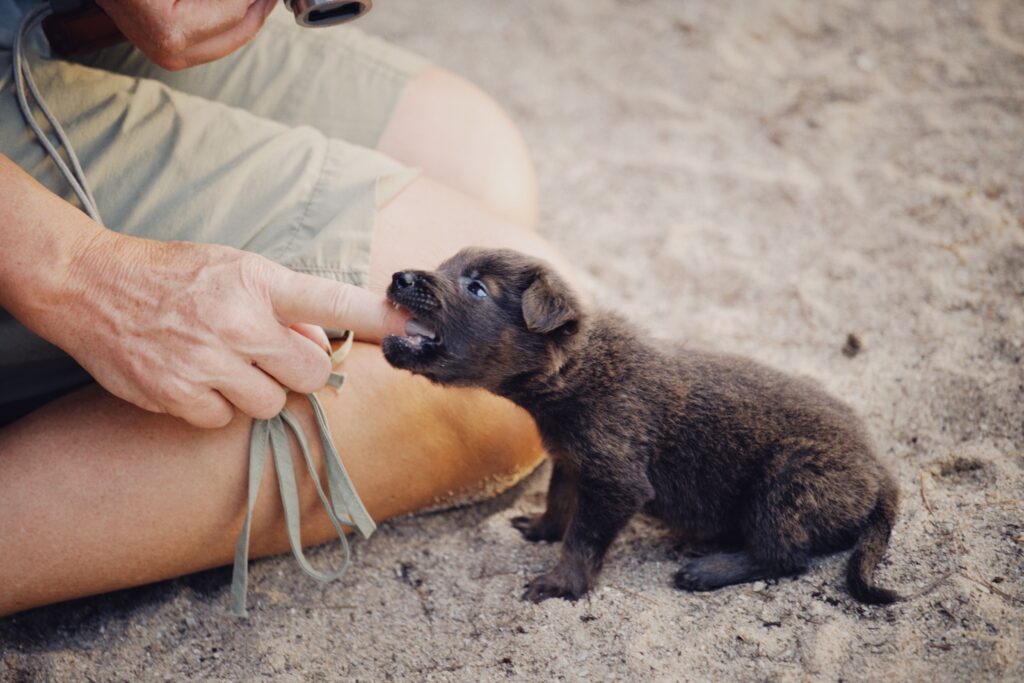
If your puppy ignores the toy and continues biting, calmly end the interaction. Stand up, fold your arms or move behind a barrier for a short period. Return once your puppy is calmer and offer another opportunity to play appropriately.
Avoid chasing your puppy, laughing or turning the situation into a game. If biting your sleeves produces exciting attention, your puppy may be encouraged to repeat it. Briefly removing attention helps teach that gentle play keeps the activity going.
Prevent Biting Hands, Ankles and Clothes
Loose sleeves, dressing-gown cords and moving trouser legs can be extremely tempting to a playful puppy. If your puppy grabs your clothes, stop walking instead of pulling the material away. Tugging can turn your clothing into an exciting toy.
Wait for your puppy to release the fabric, then redirect them to a toy and reward the better choice. During the early training stage, wearing fitted clothing and keeping tempting items out of reach can make the behaviour easier to manage.
Recognise When Your Puppy Is Overtired
An overtired puppy may begin zooming around the house, grabbing clothes and nipping more frequently. If the biting suddenly becomes more intense, your puppy may need quiet time rather than additional play.
Example: After an active play session, your puppy begins biting your sleeves and ankles. Instead of assuming they are being naughty, calmly guide them to their crate or quiet sleeping area with a safe chew toy. They may settle and wake feeling calmer.
Reward Calm and Gentle Behaviour
Reward your puppy whenever they sit calmly, play gently or choose an appropriate toy. You can use praise, a small treat or continued play as the reward. The RSPCA’s guide to reward-based dog training explains that rewarding desired behavior helps dogs understand which choices should be repeated. This positive reinforcement shows your puppy that calms behavior produces better results than biting.
Owners often notice unwanted behaviour immediately but overlook the moments when their puppy is behaving well. Make an effort to reward good choices throughout the day, even when your puppy has not been asked to perform a command.
Follow a Consistent Daily Routine
A predictable routine is an important part of learning how to stop a puppy from biting. Provide suitable opportunities for play, chewing, training, toilet breaks and rest. Puppies may become more mouthy when they are bored, overstimulated or tired.
Keep training sessions short and practise the same response whenever biting occurs. Progress is usually gradual, so look for small improvements rather than expecting the behaviour to disappear overnight.
Common Mistakes to Avoid
Puppy owners can unintentionally reward biting or confuse their puppy. Avoid these common mistakes:
- Pulling your hands away quickly and encouraging your puppy to chase them.
- Playing rough games that teach your puppy to grab hands or clothing.
- Using your hands as toys during play.
- Giving your puppy exciting attention immediately after they bite.
- Expecting your puppy to stop biting within a single training session.
- Using different rules among family members.
When to Seek Professional Help
Most puppy biting is connected to normal play, exploration and teething. However, speak to your veterinarian or a qualified reward-based trainer if the biting causes serious injuries, becomes increasingly intense or is accompanied by concerning behaviour such as stiff posture, persistent guarding or repeated growling.
Frequently Asked Questions
At what age do puppies stop biting?
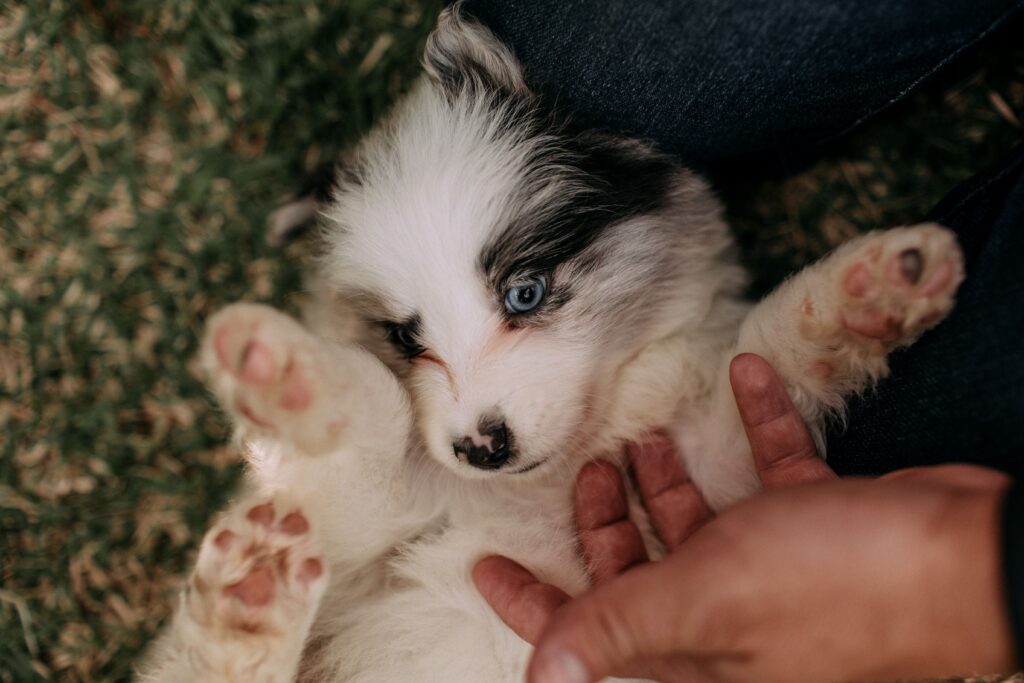
Many puppies become less mouthy as teething progresses and they develop better self-control. However, every puppy learns at a different pace. Consistent training should continue even after the teething stage ends.
How long does it take to stop puppy biting?
There is no single timetable for how to stop a puppy from biting. Some puppies respond quickly, while others need several weeks of consistent redirection and reinforcement. Your puppy’s age, temperament and daily routine can all affect their progress.
Should I yell when my puppy bites?
No. Shouting may frighten your puppy or make the interaction more exciting. Calmly stop the activity, redirect your puppy to a suitable toy and reward gentle behaviour.
Is puppy biting a sign of aggression?
Puppy biting is usually associated with teething, play, excitement or exploration rather than aggression. Ask a veterinarian or qualified trainer for advice if you are concerned about the intensity or circumstances surrounding the behavior.
Key Things to Remember
- Puppy biting is a normal stage of development.
- Stay calm and avoid turning biting into an exciting game.
- Redirect biting towards safe and suitable chew toys.
- Briefly end play when biting continues.
- Make sure your puppy receives enough play, training and rest.
- Reward gentle behaviour consistently.
Final Thoughts
Learning how to stop a puppy from biting takes time, patience and consistency. By understanding why puppies bite, redirecting them towards suitable toys and rewarding calm behaviour, you can help your puppy develop better habits. Small, consistent lessons will build trust and strengthen the bond between you and your growing companion.

Pingback: How to Introduce a Puppy to Other Dogs Safely - My Puppy Handbook