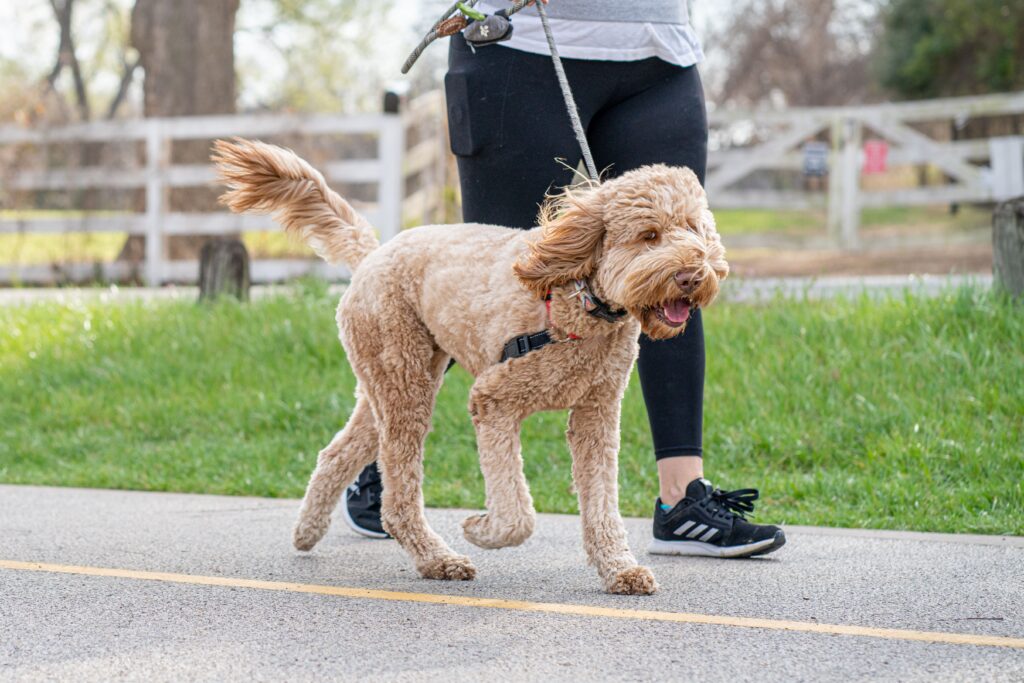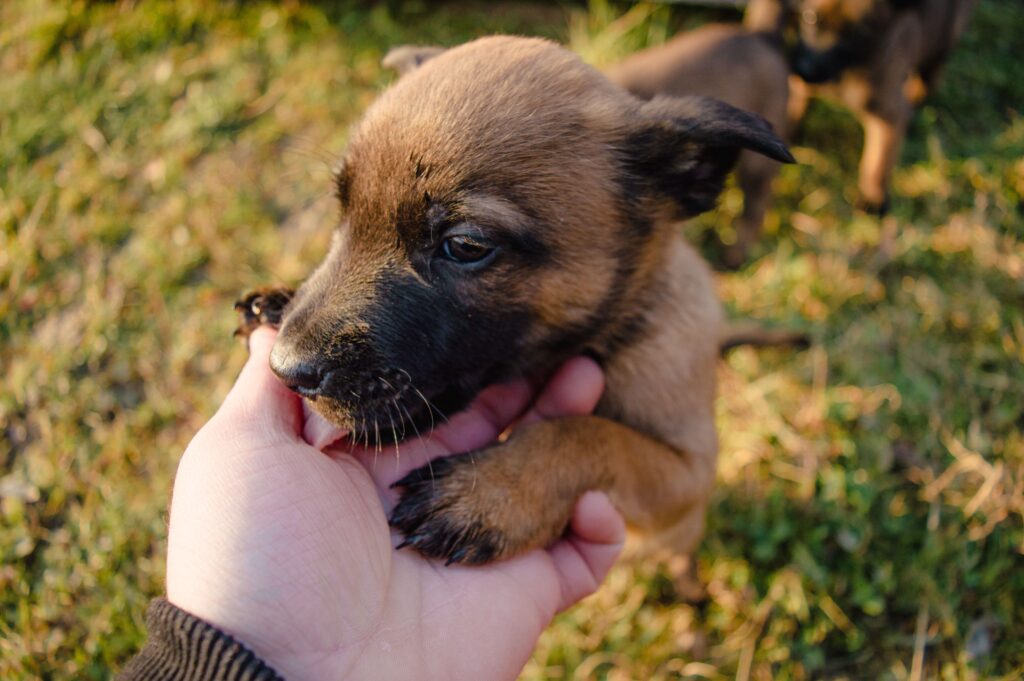

If you’re wondering when puppies calm down, many puppies begin showing noticeable improvements as they move through adolescence, although the exact age varies by breed, temperament and individual development.
Almost every new puppy owner experience moment when their puppy seems to have endless energy. Running through the house, chewing furniture and jumping on visitors can sometimes feel overwhelming.
Puppies generally become more settled as they grow, but there is no exact birthday when every puppy suddenly becomes calm. Breed, temperament, physical development, sleep, exercise, mental stimulation, health and training all influence their behavior.
This age guide explains what you may notice throughout puppyhood and adolescence, along with practical ways to encourage calmer behavior without trying to remove your puppy’s playful personality.
Table of Contents
Why Do Puppies Have So Much Energy?
High energy is a normal part of puppy development. Puppies learn about their environment by running, sniffing, chewing, digging and playing. These activities help develop coordination, confidence and important social skills.
Puppies often experience short bursts of activity followed by periods of rest. Sudden energetic behaviour does not automatically mean that your puppy needs more exercise. They may be excited, overstimulated or overtired.
Providing suitable puppy toys, sniffing opportunities and short training sessions can help your puppy use their energy appropriately.
When Do Puppies Calm Down? An Age-by-Age Guide
Many puppies begin to show noticeable signs of calming down between 12 and 24 months, although the timing varies considerably between individual dogs.
The following stages are general guides rather than strict deadlines.
| Age | What You May Notice |
|---|---|
| 8 to 12 weeks | Short bursts of excitement, frequent naps and very limited attention. |
| 3 to 6 months | Greater confidence, teething, exploration and boundary testing. |
| 6 to 12 months | Adolescent behaviour, increasing independence and difficulty focusing around distractions. |
| 12 to 24 months | Gradual improvement in focus and settling, although adolescence may continue. |
| 2 years and beyond | Many dogs become more emotionally mature, but breed and personality still affect energy levels. |
The VCA guide to normal puppy and adolescent behaviour explains that adolescent behaviours commonly begin between six and twelve months and may continue until approximately eighteen to twenty-four months.
8 to 12 Weeks
At this age, almost everything is new. Your puppy will be curious, playful and easily distracted. Expect short bursts of activity followed by sleep.
Your puppy will need frequent toilet breaks, gentle socialization and very short training sessions. Focus on creating a predictable daily routine rather than expecting long periods of calm.
3 to 6 Months
Your puppy’s confidence and curiosity may increase during this stage. They may begin exploring farther, testing boundaries and becoming more interested in their surroundings.
Teething can also contribute to chewing and puppy biting. Provide appropriate chew toys, consistent training and enough opportunities for rest.
6 to 12 Months
Many puppies enter adolescence during this period. Instead of becoming calmer, your puppy may temporarily seem more independent, excitable or easily distracted.
Previously learned skills may appear less reliable in stimulating environments. Your puppy probably has not forgotten their training; competing sights, smells and activities may simply feel more rewarding.
Continue using positive reinforcement and practise familiar skills in gradually more distracting locations.
12 to 24 Months
Many owners begin noticing improved focus and a better ability to settle during this stage. However, energetic working, herding and sporting breeds may continue requiring substantial physical and mental activity.
Appropriate lead walks, sniffing, play and short training sessions can help meet your young dog’s needs.
2 Years and Beyond
Many dogs show greater emotional maturity around two years of age. They may recover from excitement more quickly, concentrate for longer and relax more easily at home.
Large and giant breeds can continue developing beyond this stage. An adult dog may also remain naturally energetic throughout life, particularly if their breed and personality favor high activity.
What Affects When Puppies Calm Down?
When do puppies calm down in everyday life? The following factors can make a noticeable difference.
Breed and Expected Adult Size
Breeds developed for herding, hunting or other active work often require more physical activity and mental stimulation than dogs bred primarily for companionship. Large and giant breeds may also mature more slowly than smaller dogs.
Breed tendencies are only a starting point. Every puppy is an individual, and two puppies of the same breed may have very different energy levels.
Individual Personality
Some puppies are naturally cautious and observant, while others are confident, energetic and constantly searching for something to do. Learning your puppy’s personality will help you create a suitable routine.
Physical Activity
Age-appropriate exercise provides healthy outlets for movement and exploration. However, attempting to exhaust your puppy with long walks or repetitive, high-impact games can lead to overtiredness and may place unnecessary strain on developing joints.
Choose shorter activities that allow your puppy to pause, sniff and rest. Ask your veterinarian for exercise guidance tailored to your puppy’s age, health and breed.
Mental Enrichment
Mental activity can be just as valuable as physical exercise. Sniffing games, food puzzles, gentle training and opportunities to explore can help your puppy use their brain productively.
Do not provide constant entertainment. Puppies also need opportunities to learn that quiet time is normal.
Sleep and Rest
An overtired puppy may become more excitable, mouthy and unable to settle. Create a calm resting environment and protect your puppy’s sleep from unnecessary interruptions.
The AAHA review of sleep and canine behaviour explains that sleep quality and how easily a dog is disturbed may matter more than relying on a single recommended number of sleeping hours.
A quiet crate or puppy resting area may help your puppy settle, provided it has been introduced positively and is not used as punishment.
Training and Routine
Puppies benefit from predictable routines. Regular times for meals, toilet breaks, play, training and rest can make their day easier to understand.
Skills such as sitting, waiting briefly and settling on a mat can help your puppy practise self-control. Use treats, toys and praise to reward the behaviour you want.
Socialization and Environment
A puppy who is regularly overwhelmed by unfamiliar situations may struggle to relax. Safe and gradual puppy socialization can help build confidence around people, animals, sounds and new environments.
How to Encourage Calm Puppy Behaviour
You cannot rush physical or emotional maturity, but you can teach your puppy skills that make settling easier.
Reward Calm Moments
Quiet behaviour is easy to overlook. When your puppy lies calmly on their bed, relaxes beside you or plays gently, offer quiet praise or place a small treat between their paws.
Keep the reward calm so you do not immediately create another burst of excitement. Over time, your puppy learns that relaxing can also produce positive attention.
Teach a Settle Routine
Choose a comfortable mat or bed and reward your puppy for approaching it. Gradually reward sitting and then lying down on the mat.
Practise when the home is quiet before expecting your puppy to settle around visitors, children or other distractions.
Create a Predictable Wind-Down Period
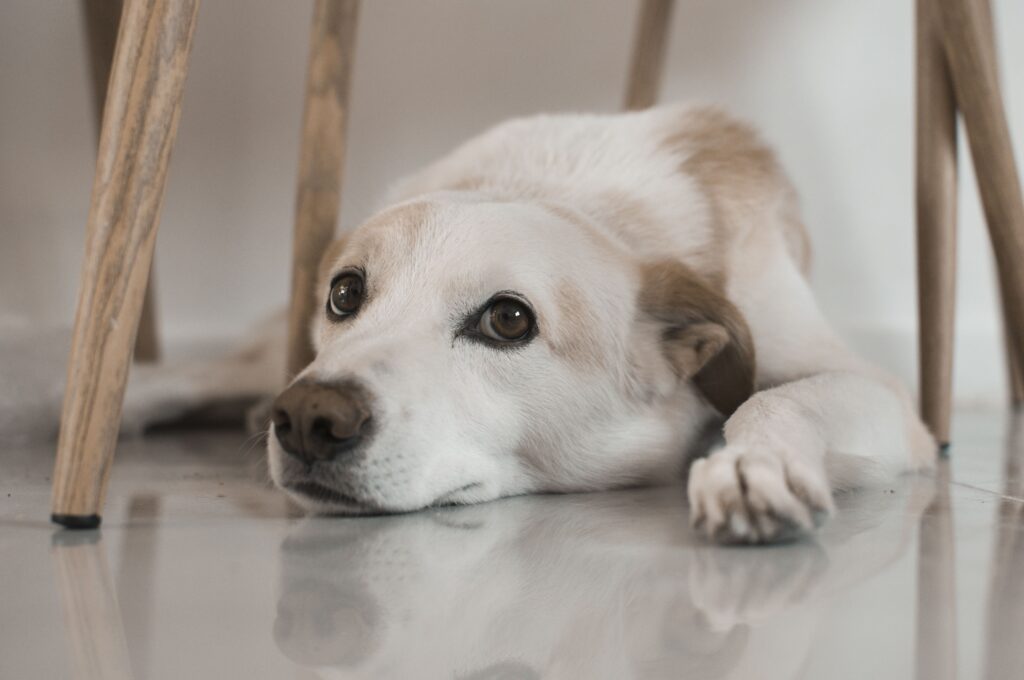
Reduce exciting games before rest time. Offer calm activities such as gentle chewing, sniffing or quiet interaction. Dim lighting and reduce household noise where practical.
Prevent Overstimulation
A full day of visitors, outings, training and play can be too much for a young puppy. Schedule breaks and give your puppy access to a quiet area where they can rest without being disturbed.
Keep Training Sessions Short
Several short training sessions are often more manageable than one long lesson. Finish while your puppy is still interested and successful.
Signs Your Puppy Is Starting to Calm Down
Puppies rarely become calm overnight. Look for gradual improvements in their everyday behaviour.
They Settle More Easily After Activity
A maturing puppy may relax more quickly after a walk, training session or game instead of immediately searching for another activity.
They Can Focus for Longer
Your puppy may begin concentrating for longer during training and responding more reliably around mild distractions.
They Make Better Choices
Instead of immediately jumping on visitors, grabbing clothing or chewing furniture, your puppy may begin offering behaviours that have previously earned rewards.
Their Daily Routine Becomes More Predictable
Periods of activity, meals, toilet breaks and sleep may become more consistent as your puppy matures.
They Recover From Excitement More Quickly
Your puppy may still become excited by visitors, walks and play, but they begin returning to a calmer state more quickly.
When Should You Be Concerned?
High energy is usually normal in a healthy puppy. However, speak with your veterinarian if your puppy:
- Shows a sudden or extreme change in behaviour
- Cannot settle despite appropriate activity, enrichment and rest
- Appears unusually tired or unwilling to play
- Shows pain, stiffness or difficulty moving
- Regularly pants, paces or appears distressed without an obvious reason
- Shows severe destructive behaviour or distress when left alone
Your veterinarian can check for pain, illness or other medical factors before you explore possible training or behavioural causes.
Frequently Asked Questions
When do puppies calm down completely?
There is no age when every dog becomes completely calm. Many owners notice meaningful changes between twelve and twenty-four months, while large breeds and highly energetic dogs may mature later. Training and daily routines remain important throughout adulthood.
Do puppies suddenly become calm overnight?
No. Most changes happen gradually. You may first notice longer periods of rest, improved concentration and a quicker recovery after excitement.
Which puppies stay energetic the longest?
Working, herding and sporting breeds commonly require substantial activity and mental stimulation into adulthood. However, breed does not determine everything, and individual dogs within the same breed can have different energy levels.
Are puppy zoomies normal?
Short bursts of running and playful activity are common in healthy puppies. Make the area safe by removing obstacles and blocking access to stairs, roads or slippery surfaces.
Can too much exercise make a puppy more hyperactive?
An overtired or overstimulated puppy may have difficulty settling and become more mouthy or excitable. Provide balanced, age-appropriate activity alongside sufficient opportunities for sleep.
Quick Action Plan
If you are wondering when do puppies calm down, concentrate on these practical steps:
- Accept that every puppy develops at a different pace.
- Match physical activity to your puppy’s age, breed and health.
- Provide daily mental enrichment and sniffing opportunities.
- Protect your puppy’s sleep and schedule regular rest periods.
- Reward calm behaviour whenever it occurs naturally.
- Teach your puppy to settle on a mat or bed.
- Use predictable routines and positive reinforcement.
- Consult your veterinarian about sudden or concerning changes.
Key Things to Remember
- Puppies generally become calmer gradually rather than overnight.
- Adolescence can temporarily increase excitement and independence.
- Breed, temperament, training, sleep and enrichment affect behaviour.
- Trying to exhaust a puppy is not a substitute for balanced activity and rest.
- Calm behaviour can be encouraged through rewards and consistent routines.
- Sudden or extreme behaviour changes should be discussed with a veterinarian.
Final Thoughts
If you are still asking when do puppies calm down, remember that development happens gradually and every puppy follows a different timeline. Age is only one part of the answer.
Appropriate activity, mental stimulation, quality rest, positive reinforcement and consistent routines can help your puppy develop better self-control. With patience and realistic expectations, your energetic puppy can grow into a calmer and more confident adult companion.