
Learning how to socialize a puppy is an important part of raising a confident and friendly dog. Socialization helps your puppy become comfortable around different people, animals, sounds, surfaces and everyday situations without becoming overwhelmed.
Socialization can include meeting trusted visitors, travelling in the car, hearing household noises and safely observing the outside world. It can also happen while your puppy is learning to walk on a lead.
If you’re choosing a harness for these early outings, see our guide to the best puppy harnesses for small and large breeds.
The goal is not to expose your puppy to everything as quickly as possible. A few calm, positive experiences are more beneficial than one overwhelming outing. Let your puppy explore at their own pace and reward relaxed, curious behavior.
Table of Contents
Why Puppy Socialization Matters
Puppies are naturally curious, but unfamiliar situations can still feel frightening. Positive early experiences help teach your puppy that new people, places and sounds do not automatically mean danger.
Understanding how to socialize a puppy safely can help them feel more comfortable when visiting the veterinarian, meeting visitors, travelling in a car or encountering unfamiliar surroundings.
Socialization does not guarantee that a dog will never experience fear or anxiety. Genetics, health, previous experiences and individual temperament also influence behaviour. However, patient and positive introductions can provide a strong foundation.
What Puppy Socialization Really Means
Socialization is much broader than allowing your puppy to play with other dogs. It includes helping them become comfortable with:
- People of different ages, heights and appearances
- People wearing hats, uniforms, glasses or high-visibility clothing
- Everyday sounds, including traffic and household appliances
- Different surfaces, objects and environments
- Gentle handling, grooming and veterinary examinations
- Calm, healthy and appropriately vaccinated dogs
- Short periods of rest and independence
When Should You Start Socializing Your Puppy?
The first few months of a puppy’s life are an important learning period. Puppies are often particularly receptive to new experiences between approximately three and fourteen weeks, although socialization should continue beyond this stage.
The RSPCA’s puppy socialization guide recommends short, positive sessions that introduce only one or two new experiences at a time. It also advises allowing puppies to investigate or move away instead of forcing interaction.
Do not worry if your puppy is older than this early period. Dogs can continue learning throughout their lives. Older puppies may need slower introductions, especially if they already show fear around certain people, animals or environments.
Can Socialization Begin Before Full Vaccination?
Socialization can begin before your puppy has completed every vaccination, but precautions are essential. Ask your veterinarian which activities and locations are suitable based on your puppy’s health, vaccination status and local disease risks.
Before your veterinarian approves walks on public ground, your puppy can still:
- Meet trusted people inside your home
- Hear household and outdoor sounds at a comfortable volume
- Explore different safe surfaces around your home
- Observe traffic, people and animals while being carried
- Meet calm, healthy and appropriately vaccinated dogs in a controlled environment
- Attend a hygienic, professionally supervised puppy class approved by your veterinarian
The American Veterinary Society of Animal Behavior’s puppy socialization statement supports safe socialization before full vaccination while recommending suitable vaccination, parasite-control and hygiene precautions for puppy classes.
Avoid placing an incompletely vaccinated puppy on the ground in busy dog parks, communal dog-toilet areas or places frequently visited by dogs with unknown health histories.
How to Socialize a Puppy Safely
The following steps can help your puppy experience the world gradually while building confidence and trust.
Step 1: Introduce Different People
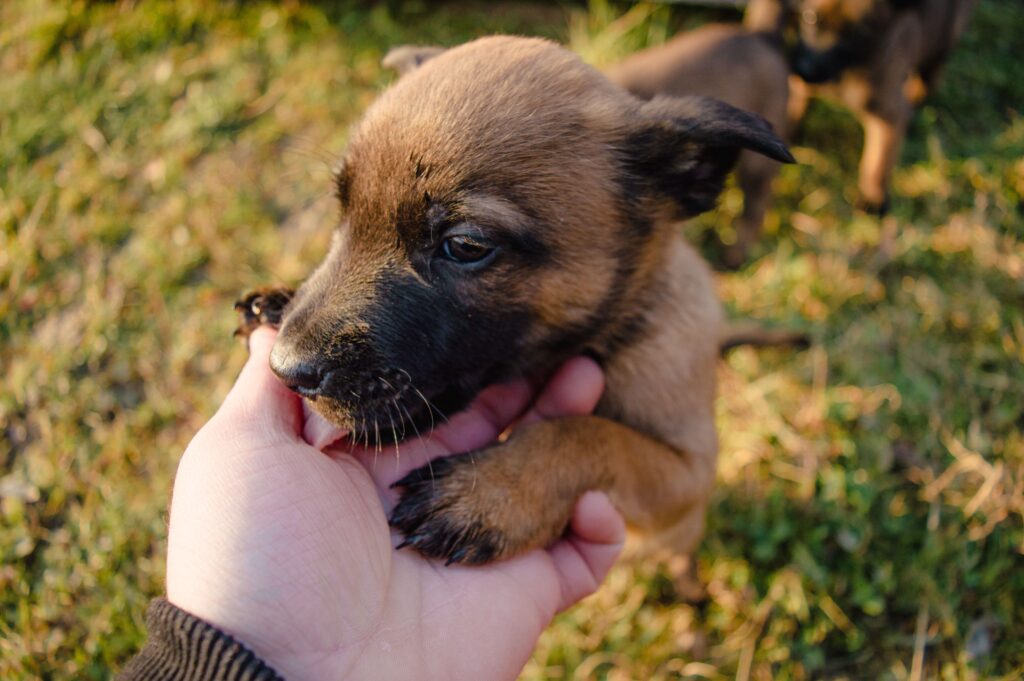
Introduce your puppy to calm people with different appearances, voices, ages and movements. This might include adults, supervised children, people wearing hats and people using mobility aids.
Ask visitors to remain calm and allow your puppy to approach voluntarily. They can gently toss a treat nearby rather than leaning over, reaching for or immediately picking up the puppy.
Before welcoming visitors, make sure you have puppy-proofed your home so your puppy can explore the area safely.
Step 2: Explore Different Environments
Knowing how to socialize a puppy includes introducing different environments without overwhelming them. Begin with quiet places before progressing to areas with more movement, people or noise.
Suitable experiences may include:
- Sitting in your front garden and watching people pass
- Visiting the home of a trusted friend
- Observing a quiet park while being carried
- Exploring a secure backyard
- Walking on grass, carpet, tiles and other safe surfaces
Keep the first visits short and leave while your puppy is still calm. Dog parks are generally unsuitable for early socialization because the behaviour and health status of unfamiliar dogs cannot always be predicted.
Step 3: Introduce Everyday Sounds
Introduce household sounds while your puppy is awake, relaxed and able to move away. Begin at a low volume and pair the sound with treats, play or another positive experience.
Sounds might include:
- The washing machine
- The vacuum cleaner from another room
- The television or radio
- Doorbells and knocking
- Traffic, bicycles and delivery vehicles
Do not deliberately startle your puppy or place them beside a loud appliance. If they appear concerned, increase the distance or lower the volume.
Step 4: Practise Gentle Handling
Help your puppy become comfortable with the handling they may experience during grooming and veterinary care. Briefly touch their paws, ears, mouth, collar area and tail while providing small rewards.
Keep sessions gentle and short. Stop if your puppy pulls away repeatedly or appears uncomfortable. The goal is to develop trust, not to hold your puppy still against their will.
Step 5: Arrange Safe Dog Interactions
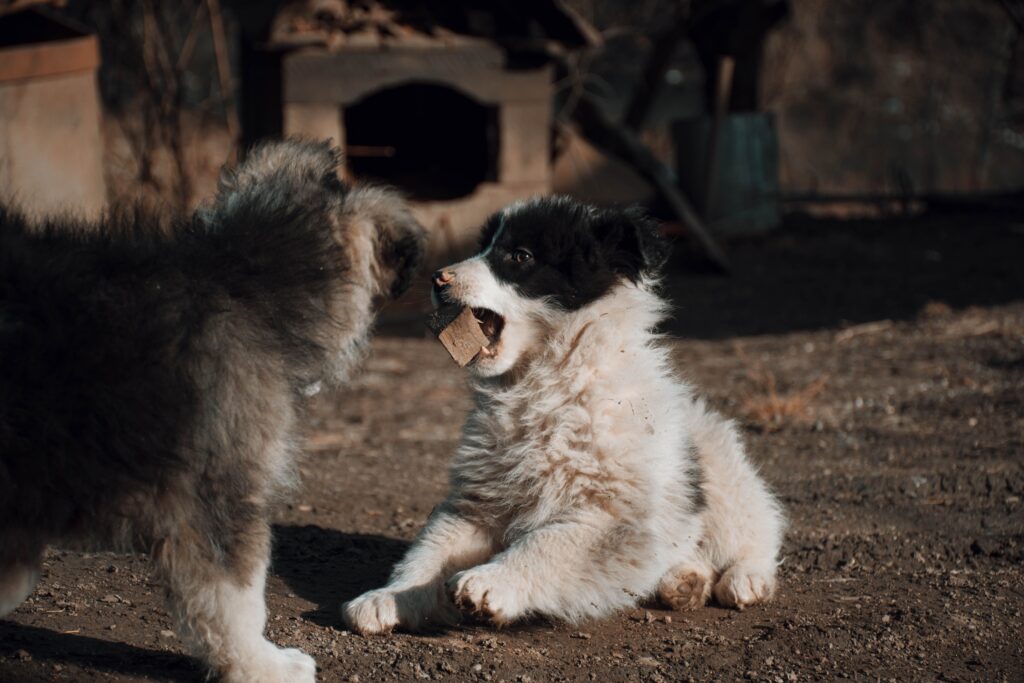
Arrange controlled meetings with calm, friendly and appropriately vaccinated dogs. Select dogs whose owners understand puppy behaviour and can supervise the interaction carefully.
Allow both dogs to take breaks. Interrupt the interaction if one dog repeatedly tries to move away, hides, becomes overly rough or appears uncomfortable.
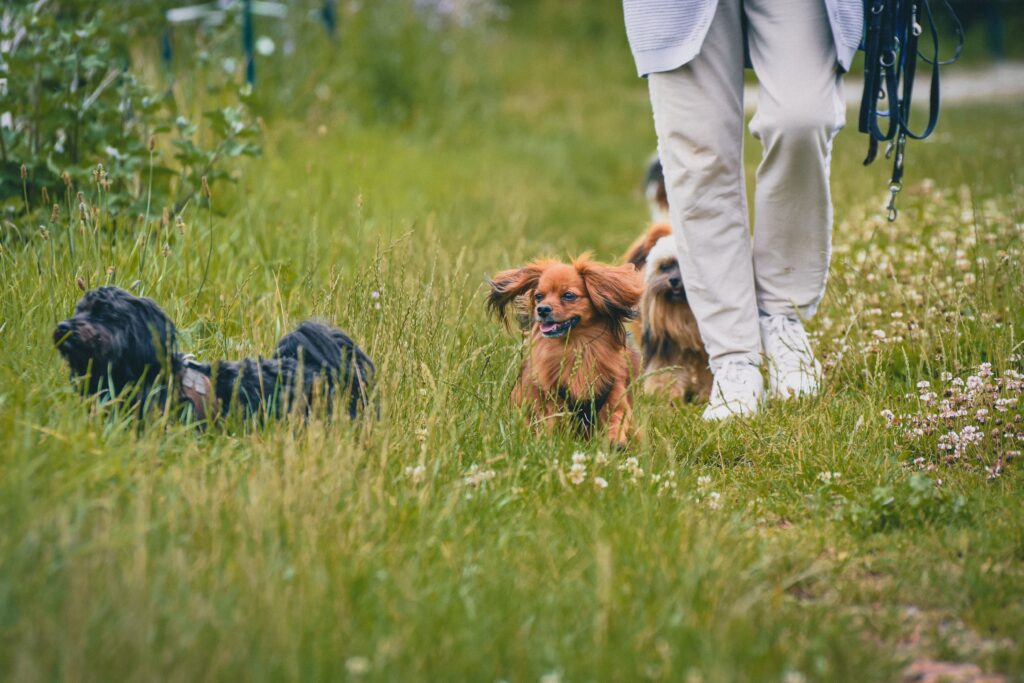
Your puppy does not need to greet every dog they see. Calmly observing another dog from a comfortable distance is also a valuable social experience.
Step 6: Introduce Car Travel and New Routines
Begin by allowing your puppy to explore a stationary car while safely restrained. Reward calm behaviour before progressing to a very short journey.
You can also introduce your puppy to experiences such as entering a veterinary clinic, being weighed or resting in a familiar puppy crate. Ask the clinic whether you can arrange a brief positive visit without an examination.
Step 7: Make Every Experience Positive
Pair new experiences with something your puppy enjoys, such as a small treat, praise, gentle play or permission to move away. Rewards help your puppy form positive associations.
If your puppy becomes frightened, increase the distance from the situation and allow them to recover. Try an easier version of the experience on another day rather than forcing them to continue.
Signs Your Puppy May Be Overwhelmed
Watch your puppy’s body language throughout every session. Possible signs of discomfort include:
- Turning or moving away
- A tucked or lowered tail
- Flattened ears
- Trembling or hiding
- Repeated yawning or lip licking
- Excessive panting when it is not hot
- Refusing treats they would normally accept
- Trying to escape from the situation
If you notice these signs, create more distance and give your puppy a break. Some puppies prefer quiet reassurance, while others distance and give your puppy a break. Some puppies prefer quiet reassurance, while others need additional space. Pay attention to what helps your puppy relax.
Common Puppy Socialization Mistakes
Learning how to socialize a puppy also means recognising situations that could create fear instead of confidence.
Introducing Too Much Too Soon
A crowded market, busy event or noisy park may overwhelm a puppy during their first outing. Introduce one or two new experiences at a time and gradually increase the difficulty.
Forcing Interactions
Do not carry your puppy towards someone, hold them in place or force them to accept physical contact. Give your puppy the choice to approach, observe or move away.
Ignoring Signs of Stress
Remaining in a frightening situation does not necessarily make a puppy become confident. Continuing after your puppy shows distress may make the experience more difficult the next time.
Allowing Unsafe Dog Greetings
Meeting an uncontrolled or overly rough dog could frighten or injure a puppy. Choose suitable dogs and supervise every interaction closely.
Stopping Socialization After Puppyhood
Continue providing positive experiences as your puppy matures. Regular exposure helps maintain confidence around different people, places and routines.
Real-Life Socialization Example
Imagine taking your puppy to observe a quiet park after your veterinarian confirms it is safe. Instead of immediately approaching people and dogs, remain at a comfortable distance and allow your puppy to watch.
Reward calm observation with treats and praise. If your puppy remains relaxed during several short visits, gradually move a little closer. If they appear worried, increase the distance again. This approach builds confidence without forcing interaction.
Frequently Asked Questions
Can you socialize a puppy before they are fully vaccinated?
Yes, controlled socialization can begin before the vaccination schedule is complete. However, ask your veterinarian which activities are safe in your area. Avoid high-risk public ground and interactions with dogs whose health or vaccination history is unknown.
How long should puppy socialization sessions last?
There is no single perfect duration. Keep early sessions brief and finish while your puppy is still calm and interested. Some introductions may last only a few seconds, while a relaxed observation session may last several minutes.
What if my puppy is scared of new people?
Allow your puppy to observe from a comfortable distance. Ask the person to avoid leaning over, staring at or reaching towards your puppy. Reward calm observation and let your puppy decide whether to approach.
Is it ever too late to socialize a puppy?
Learning can continue after the early socialization period. Older puppies may require more time and carefully planned experiences. Seek professional help if your puppy displays intense or persistent fear.
Does my puppy need to greet every dog?
No. Socialization does not mean interacting with every dog. Learning to remain calm and focus on you while another dog passes can be more valuable than frequent face-to-face greetings.
Quick Puppy Socialization Plan
If you are unsure how to socialize a puppy, begin with this simple plan:
- Introduce one or two new experiences at a time.
- Keep every experience calm and positive.
- Use treats, praise or play to reward relaxed behaviour.
- Let your puppy approach people and dogs at their own pace.
- Watch carefully for signs of stress.
- Take a break or increase the distance when necessary.
- Continue providing positive experiences as your puppy matures.
Key Things to Remember
- Socialization involves much more than playing with other dogs.
- Begin safe, controlled experiences during your puppy’s early months.
- Follow your veterinarian’s vaccination and disease-prevention advice.
- Introduce new people, places, sounds and experiences gradually.
- Never force your puppy into a frightening situation.
- Allow your puppy to make choices and move away when necessary.
- Continue positive social experiences beyond puppyhood.
Final Thoughts
Learning how to socialize a puppy is one of the most valuable things you can do for your new companion. Every carefully planned positive experience can help your puppy approach everyday life with greater confidence.
Remember that socialization is not a race. Introduce the world gradually, respect your puppy’s boundaries and seek veterinary or professional training advice when necessary. With patience and consistent reward-based training, you can help your puppy develop into a friendly and well-adjusted dog.