Bringing a new puppy home is exciting, but puppies have an impressive ability to discover things you never realised could cause trouble. Electrical cables can become chew toys, shoes can disappear under furniture, open cupboards invite exploration and small household objects can quickly end up in a puppy’s mouth.
Learning how to puppy-proof your house or home means going room by room, removing hazards and securing anything your puppy could chew, swallow or access. You don’t need to completely redesign your home. Start with the areas your puppy will be allowed to access and work through them one at a time using the puppy-proofing checklist below.
Table of Contents
Why Is Puppy-Proofing Your Home Important?
Puppies naturally explore their surroundings using their noses, paws and mouths. That curiosity is part of being a puppy, but it also means everyday household items can pose risks. Preparing your home before your puppy arrives can help prevent access to electrical cords, medicines, chemicals, unsafe foods, small objects and other hazards.
Puppy-proofing can also protect your belongings and make supervision easier while your puppy learns what they can and cannot chew or explore.
Puppy-Proofing Your House: Quick Checklist
Before your puppy arrives:
- Move electrical cords and chargers out of reach or protect them.
- Store medicines and supplements securely.
- Lock away household cleaners and chemicals.
- Remove small objects that could be swallowed.
- Keep potentially harmful human foods inaccessible.
- Check whether accessible houseplants are safe for dogs.
- Secure rubbish and recycling bins.
- Put shoes, socks and children’s toys away.
- Restrict access to unsafe stairs and balconies where necessary.
- Check fences, gates and garden boundaries.
- Keep sharp objects and tools inaccessible.
- Create a comfortable puppy-safe area for rest and supervision.
Once you’ve handled those basics, it’s time to go room by room.
Puppy-Proof Your Living Room
The living room is often where a puppy spends much of their time with the family, so it’s a good place to start. Get down to roughly your puppy’s height and look around. You may notice potential hazards that aren’t obvious when you’re standing.
Secure Electrical Cords
Puppies explore with their mouths, making loose electrical cords particularly important to address. Move chargers and cables behind furniture where practical. Unplug unnecessary cords and consider suitable cord protection for cables that cannot be moved. Don’t assume your puppy will ignore a cable because they haven’t shown interest in it yet.
Remove Small Objects
Coins, batteries, children’s toys, hair ties and other small objects can be tempting to a curious puppy. Check underneath sofas, chairs and tables as well as obvious surfaces. If an object is small enough for your puppy to pick up or swallow, don’t leave it within easy reach.
Protect Your Belongings
Shoes, remote controls, cushions and other household objects can quickly become chewing targets. Keep valuable or potentially dangerous belongings out of reach and give your puppy appropriate alternatives. Prevention is usually much easier than repeatedly taking forbidden objects away from a curious puppy.
Provide Appropriate Things to Chew
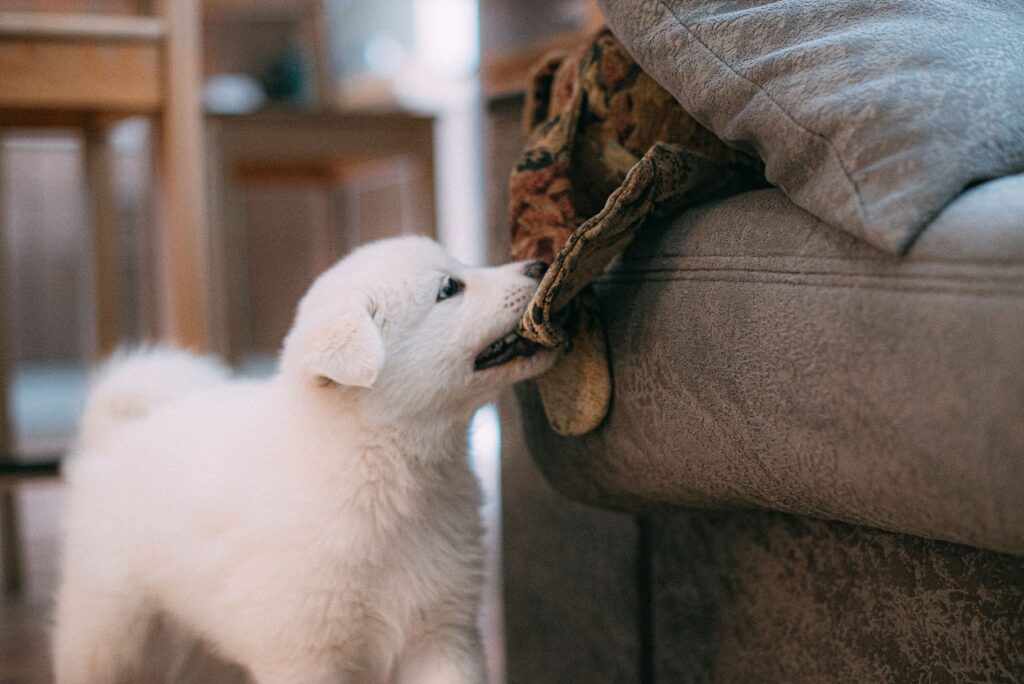
Chewing is normal puppy behavior, particularly during teething. Provide suitable puppy toys and redirect inappropriate chewing towards something your puppy is allowed to use. Inspect toys regularly and remove anything that becomes badly damaged or develops pieces that could be swallowed.
Puppy-Proof Your Kitchen
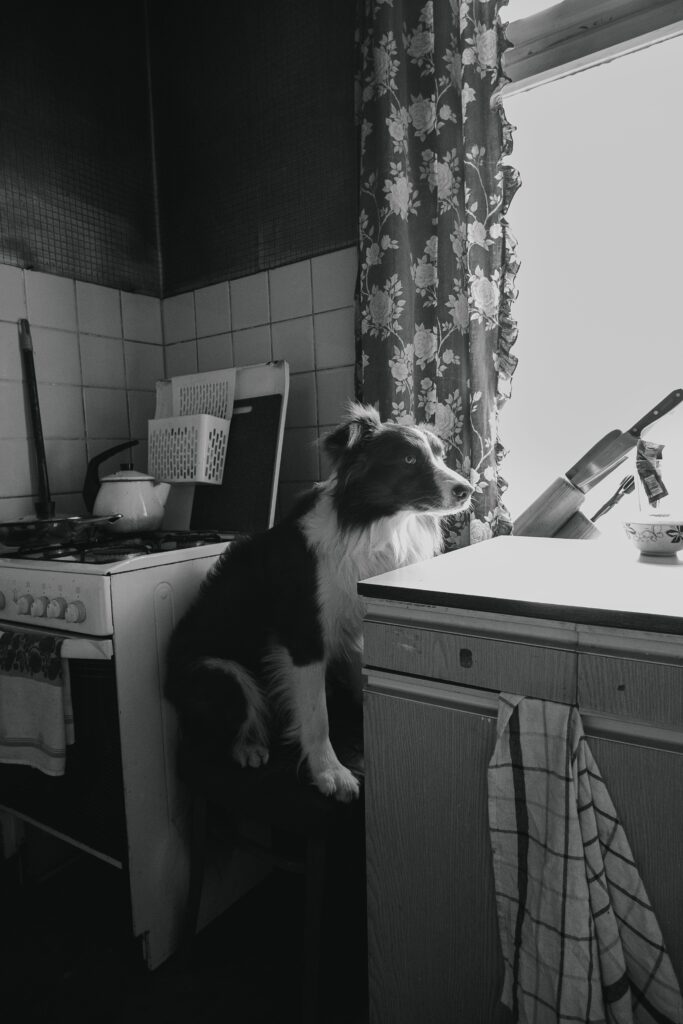
The kitchen deserves particular attention because food, rubbish, cleaning products and sharp objects may all be present.
Keep Food Out of Reach
Don’t rely on your puppy being too small to reach something. Puppies grow quickly and may become surprisingly good at investigating counters, tables and bags. Some everyday foods can be harmful to dogs, including chocolate, grapes and raisins, onions and products containing xylitol. Keep food securely stored rather than close to the edge of a counter or table.
Secure Your Rubbish Bin
Kitchen bins can contain food scraps, packaging, bones and other things your puppy shouldn’t eat. Use a secure bin or keep it somewhere your puppy cannot access. Remember recycling too. Empty containers and packaging may still smell interesting enough to attract a curious puppy.
Store Cleaning Products Securely
Detergents, dishwasher products and other household cleaners should be kept somewhere inaccessible to your puppy. A closed low cupboard isn’t necessarily enough if your puppy can investigate or open it. Consider an appropriate child-resistant latch if necessary. Keep sharp kitchen tools inaccessible as well.
Puppy-Proof Your Bathroom
Bathrooms contain several easily overlooked hazards. Store medicines, cleaning products, razors and toiletries somewhere your puppy cannot reach. Keep bathroom bins secure and remove small objects from the floor. Toilet paper, towels and bathmats may also attract a puppy that likes to chew or pull things apart. Keep the toilet lid closed, particularly if cleaning products are used in the bowl or cistern.
Puppy-Proof Your Bedroom
Start with the floor. Put away shoes, socks, jewelry, hair accessories and anything else your puppy could chew or swallow. Check underneath the bed and around bedside tables for forgotten objects. Move electrical chargers and cables out of reach. Medicines, cosmetics and other potentially harmful products should also be stored securely rather than left on low furniture. If your puppy will sleep in your bedroom, do this check before their first night rather than discovering hazards at bedtime.
Check Houseplants Before Your Puppy Arrives
Plants are easy to overlook when puppy-proofing. Some plants can be harmful to dogs if chewed or eaten. Identify the plants in any area your puppy can access and check whether they are considered safe for dogs. Simply moving a plant slightly higher may not solve the problem, particularly as your puppy grows. If you are unsure about a plant, keep your puppy away from it until you can verify whether it is safe.
Puppy-Proof Stairs and Balconies
Think carefully about anywhere a small puppy could fall, squeeze through a gap or become trapped. Depending on your home’s layout and your puppy’s size, an appropriately installed pet or baby gate can help restrict access to stairs. Check balcony railings and other gaps carefully. A small puppy may fit through spaces that would never be a concern for an adult dog. The goal isn’t to keep your puppy permanently confined. It is to manage access while they are young and still require close supervision.
Puppy-Proof the Garage and Laundry
Garages and laundry areas can contain some of the most serious household hazards. Keep detergents, chemicals, automotive products, fuels, paints, tools and other potentially harmful substances securely stored where your puppy cannot access them. Be particularly careful with automotive fluids and other chemicals. Don’t assume a closed container is safe if your puppy can reach or damage it.
In the laundry, pick up loose clothing and small objects before your puppy has an opportunity to chew or swallow them. Check behind and around appliances for gaps, cables or dropped items as well.
How to Puppy-Proof Your Garden or Backyard
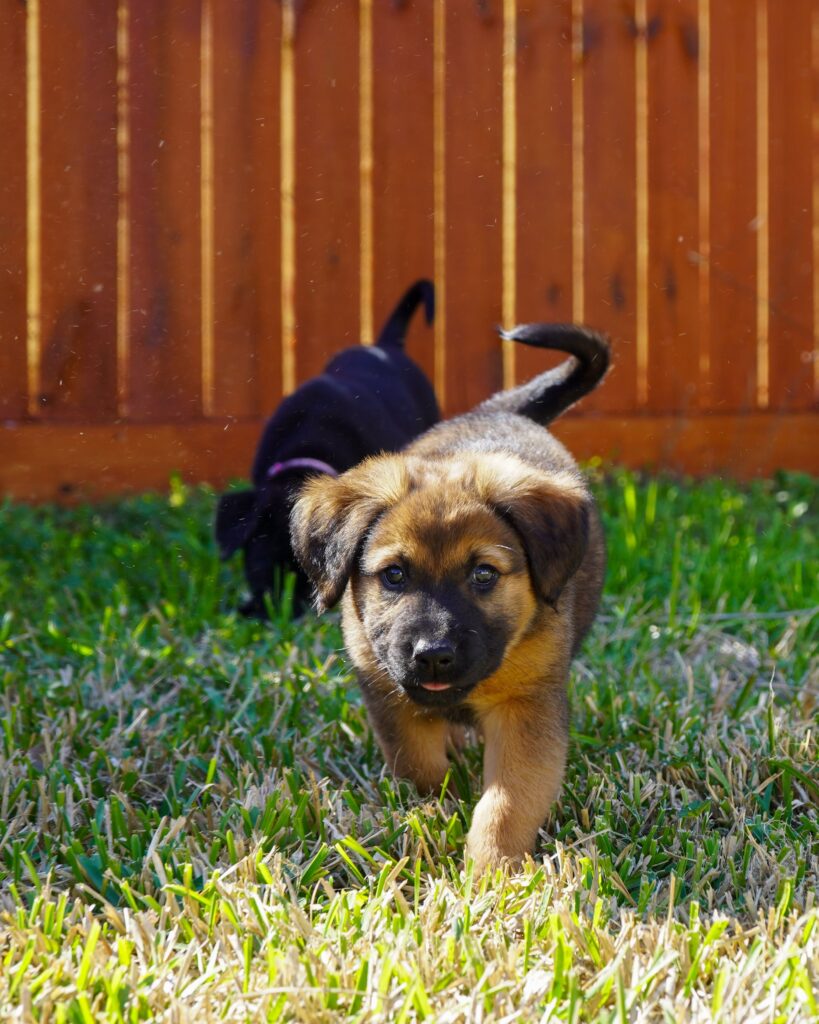
Your puppy-proofing shouldn’t stop at the back door. Walk around the entire outdoor area your puppy will use and inspect it carefully.
Check Fences and Gates
Look for:
- Gaps beneath fences
- Loose or damaged fence panels
- Holes
- Gates that don’t close securely
- Spaces a small puppy could squeeze through
Remember that a puppy may investigate gaps you barely notice. Check the boundary regularly as your puppy grows and becomes more adventurous.
Store Garden Products and Tools Securely
Fertilizers, pesticides, fuels, paints and other garden or garage products should be securely stored. Keep sharp tools inaccessible too. After gardening or completing DIY work, check the area for anything you may have accidentally left behind.
Check Outdoor Plants
Identify plants growing in areas your puppy can reach rather than assuming something is safe because it grows naturally in the garden. If you’re uncertain about a plant, prevent your puppy from accessing it until you have checked it with a reliable veterinary or animal-poison resource. Also check for mushrooms or other unfamiliar growth that may appear in the garden.
Create a Puppy-Safe Zone
A new puppy doesn’t necessarily need immediate access to your entire home. Creating a smaller puppy-safe area can make supervision considerably easier during the first few weeks. Depending on your home, this might be a puppy pen, gated room or another appropriately secured space. Provide fresh water, a comfortable place to rest and appropriate toys. A puppy-safe zone isn’t a substitute for exercise, interaction or supervision. It simply provides a more manageable environment when your puppy cannot safely explore the whole house.
If a crate will be part of your puppy’s safe space, see our guide to the best puppy crates for safe and practical options.
Supervision Is Still Essential
Even a carefully puppy-proofed home isn’t completely risk-free. Puppies grow, learn and become better at reaching things. Something that was safely out of reach last month may suddenly become accessible.
Watch how your puppy interacts with your home. When you discover a new temptation or potential hazard, deal with it rather than assuming your puppy will eventually ignore it. Puppy-proofing is an ongoing process rather than a job you complete once and forget.
What Should You Buy Before Bringing a Puppy Home?
Making your home safe is only one part of preparing for a new puppy. You’ll also need basic supplies such as appropriate puppy food, food and water bowls, a comfortable sleeping area, identification, suitable toys, cleaning supplies and a safe way to transport your puppy. You don’t need to buy every puppy product available. Start with the essentials and add other items once you understand what works for your puppy and household.
Frequently Asked Questions
When Should I Puppy-Proof My House?
Ideally, puppy-proof your home before bringing your puppy home. This gives you time to identify and remove hazards without simultaneously trying to supervise a curious new arrival.
Do I Need to Puppy-Proof Every Room?
Start with every room and outdoor area your puppy will be able to access.
You can restrict access to other parts of the house using closed doors or appropriate gates, then puppy-proof those areas before allowing your puppy to explore them.
How Long Do You Need to Puppy-Proof Your Home?
There isn’t a particular age when every puppy suddenly becomes safe around household hazards.
Continue managing your puppy’s environment as they mature and learn appropriate behaviour. Some things, including medicines, chemicals and unsafe foods, should remain securely stored throughout your dog’s life.
What Are the Most Important Things to Puppy-Proof?
Prioritize things that could cause serious harm, including electrical cords, medicines, household chemicals, unsafe foods and plants, small objects that could be swallowed, sharp items, unsecured rubbish and unsafe exits. Then consider things your puppy is likely to damage or chew.
Should I Use Baby Gates for a Puppy?
A suitable gate can help control access to stairs or rooms while your puppy is learning. Choose a gate appropriate for the location and your puppy’s size and make sure it is securely installed.
Final Puppy-Proofing Check
Before your puppy arrives, walk through your home one more time. Look underneath furniture and check accessible cupboards. Inspect electrical cords, plants, rubbish bins, stairs, doors and your garden boundary.
Then look at each space from your puppy’s perspective. Ask yourself what a curious puppy might try to sniff, chew, pull, climb into or swallow. Every home is different, so your own checklist may include hazards that aren’t mentioned here.
Puppy-proofing isn’t about creating a perfect home. It’s about removing obvious dangers, managing your puppy’s environment and making it easier for them to explore and learn safely. Once that’s done, you can concentrate on the much more enjoyable part: welcoming your new puppy home.