Learning how to groom a puppy is an important part of keeping your new companion healthy, comfortable and confident. Regular grooming removes loose hair and dirt, prevents painful tangles and gives you an opportunity to check your puppy’s skin, ears, teeth, paws and coat for possible problems.
Many first-time puppy owners feel unsure about bathing, brushing and trimming nails. Fortunately, you do not need to complete everything at once. This beginner-friendly guide explains how to groom a puppy safely using short sessions, suitable equipment and plenty of positive reinforcement.
Table of Contents
Why Regular Puppy Grooming Is Important
Grooming is about much more than making your puppy look clean. Brushing removes loose hair, dirt and small pieces of debris while helping to prevent knots and matting. It also distributes the natural oils in your puppy’s coat.
A regular grooming routine gives you an opportunity to notice fleas, ticks, redness, wounds, lumps or other unusual changes. Grooming cannot replace veterinary examinations, but it may help you notice a possible problem earlier. The RSPCA’s dog-grooming guide provides additional advice about brushing, bathing, nail care and making grooming enjoyable.
Starting while your puppy is young also teaches them to accept gentle handling. This can make future grooming appointments and veterinary examinations less stressful.
Essential Puppy Grooming Tools
Having your supplies ready before you begin will make the grooming session safer and more relaxed. The equipment you need will depend on your puppy’s coat, size and individual needs.
| Grooming item | What it is used for |
|---|---|
| Suitable brush or comb | Removing loose hair, dirt and tangles |
| Dog-friendly shampoo | Cleaning the coat without using human shampoo |
| Non-slip bath mat | Helping your puppy feel secure during bathing |
| Puppy nail clippers or grinder | Keeping nails at a comfortable length |
| Veterinarian-approved ear cleaner | Cleaning healthy ears when necessary |
| Dog toothbrush and toothpaste | Removing plaque and supporting dental health |
| Soft towels | Drying your puppy after bathing |
| Small treats | Rewarding calm behaviour |
Choose a Brush for Your Puppy’s Coat
Different coat types require different brushes. A short-haired puppy may only need a soft-bristle brush or rubber grooming mitt. Medium coats often benefit from a pin brush, while long, curly or thick coats may require a slicker brush and wide-tooth comb.
If you are uncertain, ask your veterinarian or a qualified groomer which brush is suitable for your puppy’s coat. Using the wrong equipment or brushing too firmly may irritate the skin.
Use Shampoo Made for Dogs
Choose a mild shampoo formulated specifically for puppies or dogs. Human and baby shampoos are not designed for canine skin and may cause dryness or irritation. Ask your veterinarian for advice if your puppy has allergies, sensitive skin or an existing skin condition.
How to Groom a Puppy a at Home Step by Step
When learning how to groom a puppy, begin with very short sessions. You might only touch your puppy’s paws, lift their ears or make a few gentle brush strokes during the first session. Stop before your puppy becomes frightened or frustrated.
Step 1: Introduce Gentle Handling
Before using grooming tools, help your puppy become comfortable with being touched. Gently handle their paws, ears, mouth, tail and body while offering praise and small treats.
Do not hold your puppy down or force them to continue when they are frightened. Calm handling is also an important part of learning how to socialize a puppy and prepare them for new experiences.
Step 2: Brush Your Puppy’s Coat
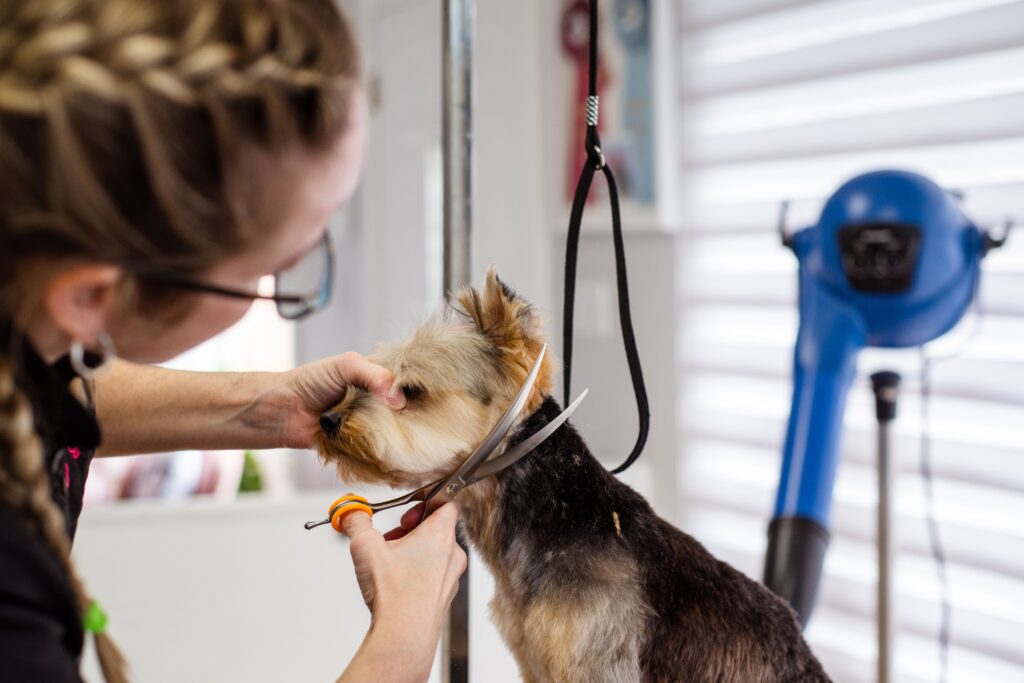
Brush in the direction the hair grows and use gentle strokes. Pay particular attention to areas where tangles commonly form, including behind the ears, beneath the collar area, under the legs and around the tail.
Work through small tangles slowly with your fingers or an appropriate comb. Do not pull forcefully or cut a mat close to the skin with scissors because your puppy’s skin can become trapped inside the mat. Ask a professional groomer or veterinarian for help with severe matting.
While brushing, look for:
- Fleas or ticks
- Red or irritated skin
- Cuts, scratches or sore areas
- Unusual lumps or swelling
- Dry or flaky skin
- Grass seeds or other debris
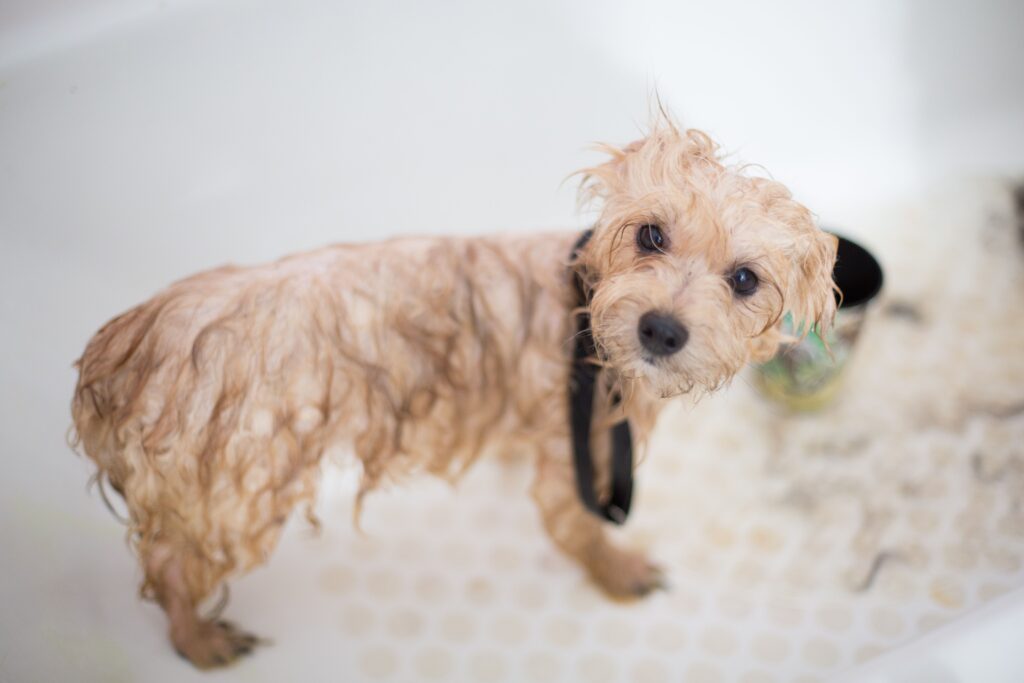
Step 3: Bathe Your Puppy Safely
Puppies do not need to be bathed every day. How often your puppy needs a bath will depend on their coat, health, lifestyle and how dirty they become. Bathe your puppy when necessary or according to advice from your veterinarian.
Before beginning, prepare the shampoo, towels, treats and non-slip mat. Test the water with your hand to make sure it is comfortably lukewarm. Keep everything within reach so you never need to leave your puppy unattended around water.
Wet the coat gently while avoiding the eyes, nose and inside of the ears. Apply a small amount of dog-friendly shampoo and massage it through the coat without scrubbing roughly. Rinse thoroughly because shampoo residue may irritate the skin.
Pat your puppy dry with a towel and keep them somewhere warm until their coat is dry. If you use a dryer, introduce the sound gradually and use a cool or low setting from a safe distance. Understanding safe bathing is an essential part of knowing how to groom a puppy at home.
Step 4: Trim Your Puppy’s Nails
Long nails can affect the way your puppy stands and walks. They may also split, catch on surfaces or grow towards the paw pads. Check the nails regularly, including the dewclaws, and trim them when necessary.
Begin by teaching your puppy to accept having their paws touched. When they are comfortable, introduce the clippers or grinder without immediately using them. Offer a treat for calm behaviour.
Each nail contains a sensitive area called the quick, which holds blood vessels and nerves. On light nails, it may appear as a pink centre. It can be difficult to identify on dark nails, so remove only a tiny amount at a time.
If you are not confident about trimming the nails, ask your veterinarian or a professional groomer to demonstrate. If you accidentally cut the quick and the bleeding does not stop promptly, contact your veterinarian.
Step 5: Check Your Puppy’s Ears
Check your puppy’s ears regularly for redness, swelling, discharge, excessive wax or an unusual smell. Healthy ears may not need routine cleaning, and cleaning too frequently can cause irritation.
Only use an ear-cleaning solution recommended for dogs by your veterinarian. Never place cotton buds or other objects inside the ear canal. If an ear looks painful, inflamed or unusually dirty, arrange a veterinary examination before trying to clean it.
Step 6: Brush Your Puppy’s Teeth
Introduce dental care gradually by first allowing your puppy to become comfortable with having their lips and mouth handled. You can then introduce a soft dog toothbrush and toothpaste made specifically for dogs.
Never use human toothpaste because its ingredients are not intended to be swallowed by dogs. Daily brushing provides the greatest benefit, but even gradual, consistent practice can help establish a healthier routine. The VCA puppy hygiene guide explains how to introduce tooth brushing and other grooming activities positively.
Step 7: Finish With a Reward
Finish every grooming session with praise, a small treat or a favourite activity. You can also offer one of your puppy’s favourite puppy toys after the session.
Your puppy does not need to remain perfectly still during their first few grooming experiences. Reward small achievements, such as allowing one paw to be touched or remaining calm for several brush strokes.
A Simple Puppy Grooming Schedule
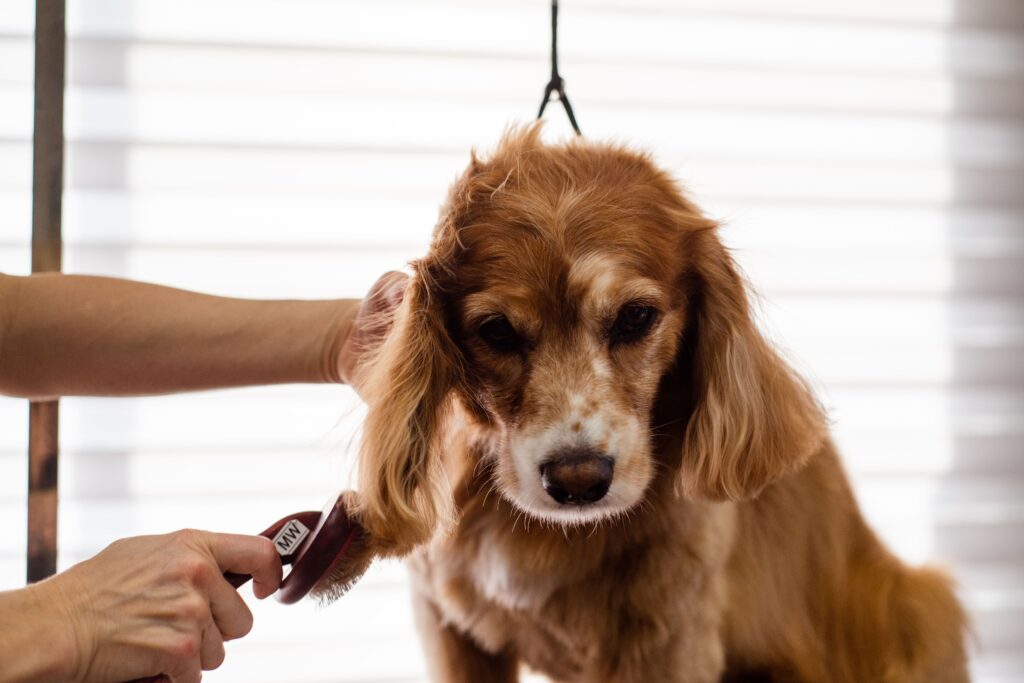
Every puppy has different grooming needs, so use this schedule as a starting point rather than a strict rule.
| Grooming task | Suggested routine |
|---|---|
| Handling practice | A few minutes several times each week |
| Brushing | Several times weekly or daily for coats that tangle easily |
| Bathing | When necessary, based on coat, lifestyle and veterinary advice |
| Nail checks | Every one to two weeks; trim when needed |
| Ear checks | Weekly; clean only when needed or advised |
| Tooth brushing | Daily when possible |
| Professional grooming | According to your puppy’s breed and coat requirements |
When to Use a Professional Groomer
Some puppies can be groomed mainly at home, while others require professional coat clipping or maintenance. Long-haired, curly-coated and continuously growing coats often need specialised attention.
Professional help may also be appropriate when your puppy has severe matting, becomes extremely frightened, tries to bite during grooming or needs a nail trim that you do not feel confident completing. Choose a groomer who uses patient, reward-based handling.
Common Puppy Grooming Mistakes to Avoid
Understanding how to groom a puppy also means recognising practices that may cause discomfort or fear. Avoid these common mistakes:
- Trying to complete every grooming task in one long session
- Forcing your puppy to remain still when they are frightened
- Bathing too frequently without veterinary guidance
- Using human or baby shampoo
- Pulling forcefully on tangled hair
- Cutting too much nail at once
- Putting cotton buds inside the ear canal
- Using human toothpaste
- Forgetting to reward calm behaviour
Patience and consistency are important in all puppy training. Our guide to avoiding common puppy training mistakes explains why punishment and unrealistic expectations can make learning more difficult.
Frequently Asked Questions
At what age should I start grooming my puppy?
You can introduce gentle handling and brief brushing sessions soon after bringing your puppy home. Begin slowly and keep the experience positive. Your veterinarian can advise you about bathing, coat care and other needs based on your puppy’s age, health and breed.
How often I groom my puppy?
The ideal routine depends on your puppy’s coat type and lifestyle. Long or curly coats may need daily attention, while short coats may require brushing only a few times each week. Check the nails, ears, teeth and skin regularly.
Can I learn how to groom a puppy myself?
Yes. Most owners can learn how to groom a puppy at home by starting with brushing, bathing, dental care and simple handling exercises. Use a veterinarian or qualified groomer for procedures you do not feel confident performing.
Can I use baby shampoo on my puppy?
No. Baby shampoo is made for human skin rather than canine skin. Use a mild shampoo formulated for puppies or dogs, and ask your veterinarian for a recommendation if your puppy has sensitive skin.
How can I calm a puppy that dislikes grooming?
Break grooming into smaller exercises and reward each calm response. For example, touch one paw, provide a treat and finish the session. Gradually increase the amount of handling as your puppy becomes more comfortable.
What if I notice a lump or skin problem while grooming?
Do not try to diagnose or treat an unusual lump, painful area, rash, wound or persistent skin problem yourself. Arrange an examination with your veterinarian.
Quick Puppy Grooming Checklist
- Introduce grooming tools gradually.
- Keep early grooming sessions short.
- Brush gently and follow the direction of hair growth.
- Use shampoo and toothpaste made for dogs.
- Check the nails, ears, skin and coat regularly.
- Ask for professional help with severe matting or difficult nail trims.
- Stop if your puppy becomes highly distressed.
- Reward calm behaviour after every session.
Final Thoughts
Knowing how to groom a puppy helps you protect their comfort, hygiene and long-term wellbeing. Introduce brushing, bathing, nail care, ear checks and tooth brushing gradually rather than trying to accomplish everything in one day.
Every puppy learns at a different pace. Remain patient, watch your puppy’s body language and celebrate small improvements. With consistent, positive practice, grooming can become a comfortable routine and an enjoyable opportunity to strengthen your bond.