Every puppy owner makes training errors, especially during the first few months. Fortunately, most puppy training mistakes can be corrected once you understand why they happen. Clear expectations, short lessons and positive reinforcement can help your puppy learn while strengthening the trust between you.
Table of Contents
Why Puppy Training Mistakes Matter
Training a puppy takes time, patience and consistent practice. Puppies learn from what happens immediately before and after their behaviour, so small actions repeated every day can quickly become habits.
Recognising puppy training mistakes early can prevent confusing rules and unwanted behaviour from becoming part of your puppy’s routine. You do not need to train perfectly. You simply need to communicate clearly, reward desirable behaviour and adjust your approach when something is not working.
Mistake 1: Being Inconsistent
Puppies learn more easily when rules and cues remain consistent. If one family member allows jumping while another discourages it, the puppy receives conflicting information. The same confusion can occur when people use different words for the same behaviour, such as “down,” “off” and “get down.”
Before beginning training, agree on the rules everyone will follow. Decide whether the puppy is allowed on furniture, where they will sleep and which words will be used for important cues.
How to avoid this mistake: Write down the main household rules and training cues. Ask every family member to use the same words and reward the same behaviours. Practise in different rooms because puppies may not immediately understand that a cue learned in the kitchen also applies in the garden.
Mistake 2: Punishing Instead of Teaching
Puppies do not automatically understand human expectations. Shouting, frightening or physically punishing a puppy does not clearly teach them what they should do instead. It may cause confusion, fear or reluctance to interact with the person training them.
If you discover damage or a toilet accident after it has happened, your puppy is unlikely to connect your reaction with the earlier behaviour. Calmly clean the area, manage the environment and consider what could prevent the same situation next time.
How to avoid this mistake: Interrupt unsafe behaviour calmly, redirect your puppy towards an appropriate activity and reward the better choice. For example, if your puppy begins chewing furniture, offer a suitable chew toy and praise them when they use it.
Mistake 3: Training for Too Long
Young puppies can become tired, distracted or frustrated during lengthy lessons. Continuing after your puppy loses interest may make training less enjoyable for both of you.
There is no single session length that suits every puppy. Begin with only a few minutes and watch their behaviour. Looking away repeatedly, wandering off, biting the lead or losing interest in rewards may indicate that the session has become too difficult or continued for too long.
How to avoid this mistake: Divide training into several brief sessions throughout the day. Teach one small step at a time and finish while your puppy is still interested. The Dogs Trust guide to positive reinforcement explains that rewarding good choices makes those behaviors more likely to happen again and can help build a puppy’s confidence.
Helpful tip: End with an easy behaviour your puppy already understands, such as sitting or touching your hand. Reward the success with a treat, praise or a favourite puppy toy.
Mistake 4: Ignoring Good Behaviour
Owners often notice a puppy when they jump, bark or steal something but overlook them when they are resting quietly. This can accidentally teach the puppy that unwanted behaviour is the easiest way to receive attention.
Look for everyday moments when your puppy makes a desirable choice. Reward them for sitting instead of jumping, keeping four paws on the floor, walking with a loose lead or relaxing on their bed.
Why positive reinforcement works: When a behaviour is followed immediately by something the puppy enjoys, they are more likely to repeat it. Rewards can include food, praise, play, access to the garden or permission to greet someone calmly.
How to avoid this mistake: Ask yourself, “What is my puppy doing correctly right now?” Reward the behaviour as it happens rather than waiting until your puppy becomes restless or disruptive.
For a practical example, our guide on how to train a puppy to walk on a lead explains how timely rewards can encourage attention and calm walking.
Mistake 5: Expecting Too Much Too Soon
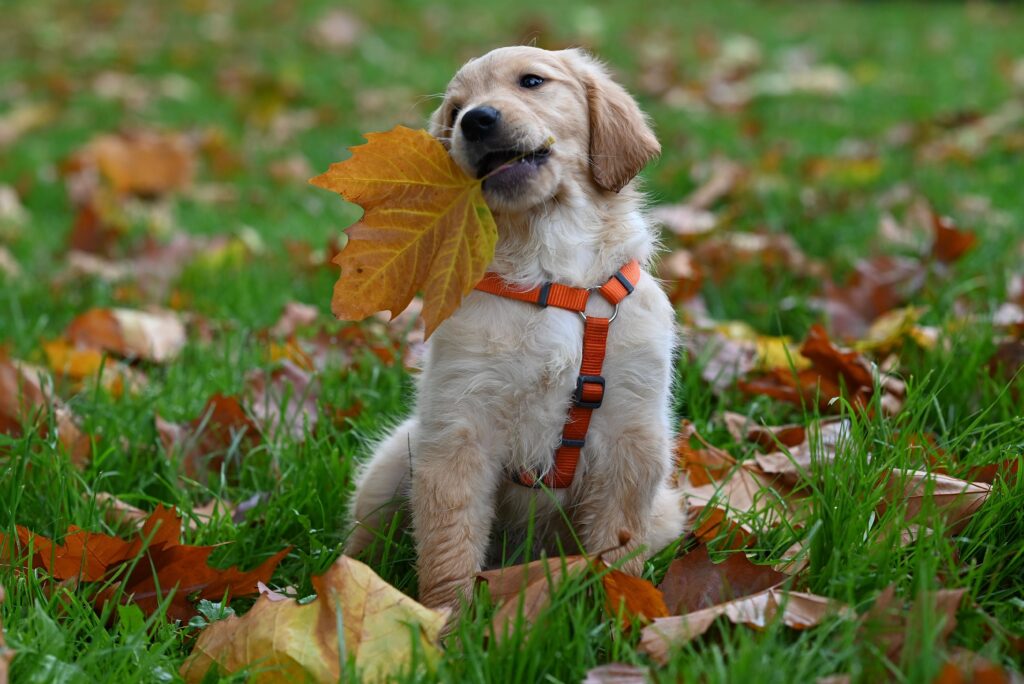
One of the most common puppy training mistakes is expecting a young puppy to behave like a mature dog. Puppies are still developing physically and emotionally, and every unfamiliar sound, smell, person or animal can compete for their attention.
A puppy that responds well at home may appear to forget everything in a park. This does not mean they are stubborn. The new environment is simply more difficult because it contains additional distractions.
How to avoid this mistake: Begin each skill in a quiet place and increase the difficulty gradually. Change only one factor at a time, such as the distance, duration or level of distraction. If your puppy struggles, return to an easier step.
Measure progress in small improvements. Your puppy may look towards you for one second longer, remain calm as a person passes or complete one successful repetition in a new place. These achievements are meaningful parts of the learning process.
Mistake 6: Skipping or Rushing Socialisation
Socialization helps puppies learn that everyday people, animals, sounds, surfaces and environments can be safe. However, good socialization does not mean forcing your puppy to interact with everyone they meet.
Overwhelming a puppy with frightening or uncontrolled experiences can have the opposite effect. Your puppy should be allowed to observe from a comfortable distance and move away when they need space.
How to avoid this mistake: Introduce new experiences gradually and pair them with food, play or calm praise. Let your puppy watch people, friendly animals, bicycles and traffic without requiring direct interaction. The RSPCA’s puppy socialization guidance recommends allowing puppies to choose whether to investigate or move away while pairing new experiences with treats, play or praise. Consult your veterinarian about safe outings based on your puppy’s vaccination status and local disease risks.
Useful socialisation experiences may include:
- Meeting different people calmly.
- Hearing household sounds at a comfortable volume.
- Walking across safe surfaces such as grass, tiles and concrete.
- Seeing other animals from a suitable distance.
- Travelling safely in a vehicle.
- Becoming comfortable with gentle handling and grooming.
Signs Your Training Is Progressing
Progress will look different for every puppy. Watch for small changes showing that your puppy is becoming more comfortable and responsive.
- Responding to their name more consistently.
- Remaining comfortable while wearing a harness and lead.
- Enjoying short training sessions.
- Recovering more quickly after distractions.
- Offering calm behaviour without being prompted.
- Following familiar cues in more than one location.
If progress suddenly changes, consider whether your puppy is tired, frightened, uncomfortable or distracted. Behaviour that appears stubborn often has an underlying reason. Seek veterinary advice if you notice pain, illness or a significant change in behaviour.
Quick Action Plan
Avoiding puppy training mistakes does not require fixing everything at once. Choose one habit and work on it consistently before adding another goal.
- Choose one behaviour you want to improve.
- Decide exactly what you want your puppy to do instead.
- Remove distractions and begin in a quiet place.
- Reward the desired behaviour immediately.
- Keep the practice session brief and enjoyable.
- Ask everyone in the household to follow the same approach.
- Increase the difficulty only after your puppy is succeeding.
Frequently Asked Questions
What should I do when my puppy makes a mistake?
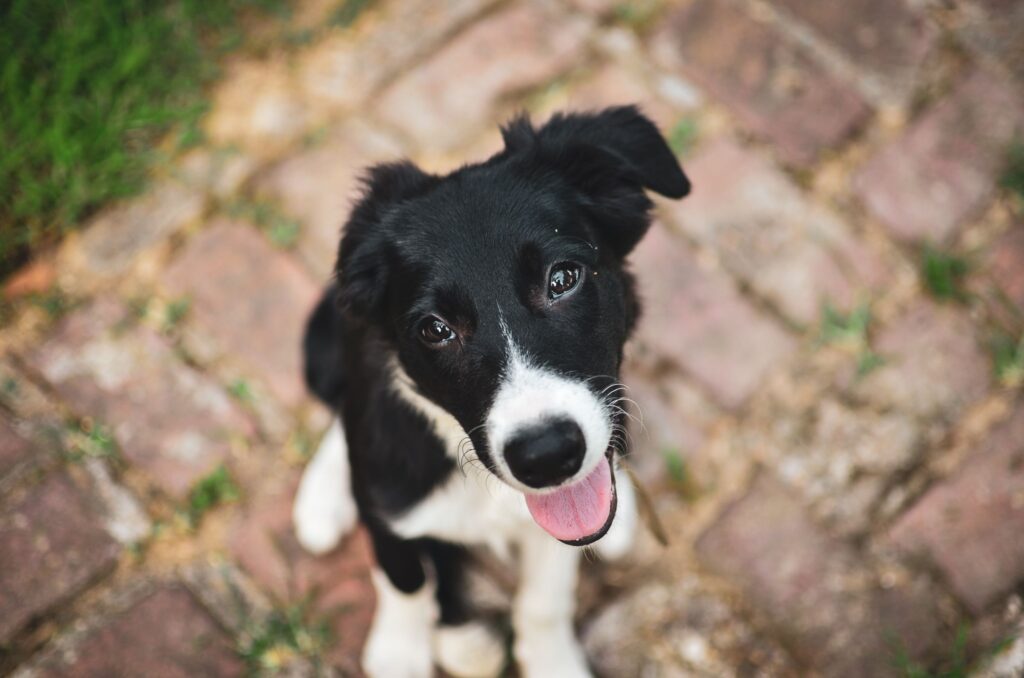
Stay calm and consider what your puppy needs to learn. Redirect them towards an appropriate behaviour, reward the correct choice and adjust the environment to reduce the chance of the mistake happening again.
Should everyone use the same training words?
Yes. Consistent cues make training easier to understand. Choose one short word for each behaviour and ask everyone who handles the puppy to use it in the same way.
Is it normal for a puppy’s training to go backwards?
Temporary setbacks are normal, particularly during growth, changes in routine or practice in a new environment. Return to an easier step, reduce distractions and reward successful repetitions.
When should I ask a professional trainer for help?
Seek help if your puppy shows persistent fear, aggression, distress or behaviour you cannot manage safely. Choose a qualified trainer who uses reward-based methods. Your veterinarian can also check for pain or health problems and recommend an appropriate professional.
Key Things to Remember
- Use consistent rules and training cues.
- Teach the behaviour you want instead of relying on punishment.
- Keep lessons short and finish positively.
- Notice and reward calm everyday behaviour.
- Set realistic expectations for your puppy’s age and experience.
- Make socialisation gradual, safe and positive.
These puppy training mistakes are common and do not mean that you have failed. Training is a learning process for both you and your puppy. Consistent guidance, realistic expectations and positive experiences will help your puppy develop confidence and reliable habits throughout their life.