
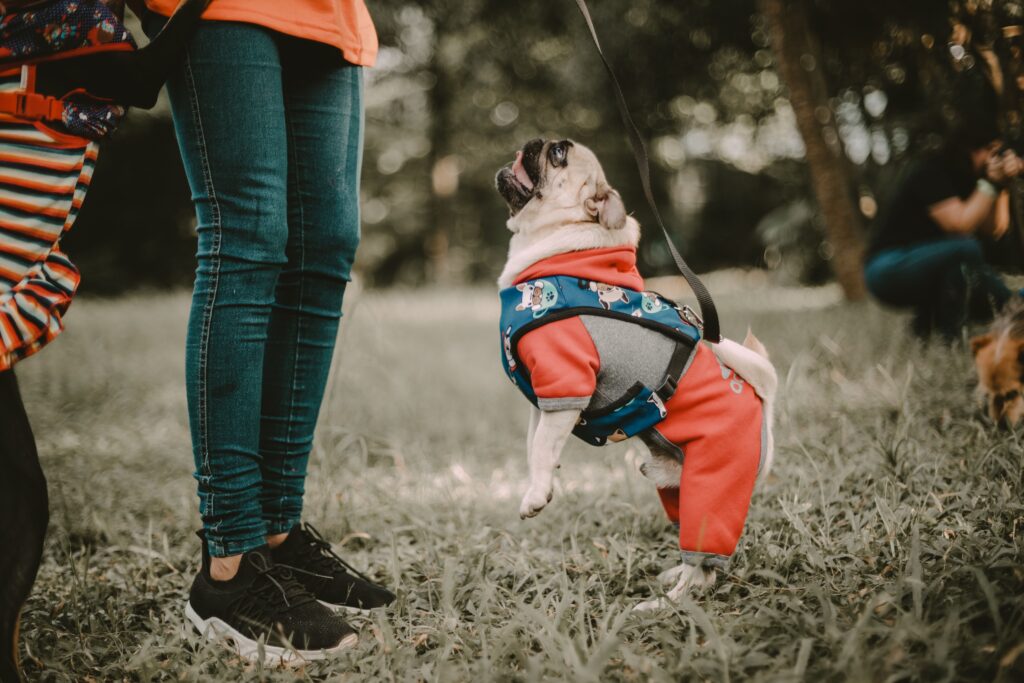
Knowing how to stop a puppy from jumping on people can make greetings safer and more enjoyable. Jumping may seem harmless when your puppy is small, but it can become difficult to manage as they grow. An excited dog could frighten visitors, damage clothing or accidentally knock over a child or vulnerable adult.
Puppies commonly jump because they are excited, want attention or are trying to greet someone. Fortunately, jumping is a behaviour that can be changed through patient, reward-based training. Your goal is to teach your puppy that keeping all four paws on the floor produces attention, praise and other rewards.
Consistency is essential. If your puppy sometimes receives attention for jumping, they may continue trying because the behavior still works occasionally. Every family member and visitor should follow the same simple greeting rules.
Table of Contents
Why Puppies Jump on People
Understanding why puppies jump is an important part of learning how to stop a puppy from jumping. Your puppy is not deliberately trying to behave badly. They are usually repeating an action that has previously produced attention or excitement.
| Reason | Explanation |
|---|---|
| Excitement | Your puppy is happy to see someone and struggles to control their energy. |
| Attention | Jumping may have produced talking, touching or eye contact before. |
| Greeting | Your puppy is trying to get closer to the person’s face. |
| Boredom | Unused energy can contribute to excitable behaviour. |
| Lack of training | Your puppy has not yet learned a more appropriate way to greet people. |
How Jumping Becomes a Habit
Puppies repeat behaviours that produce something they value. If your puppy jumps and receives eye contact, petting, talking or laughter, they may learn that jumping is an effective way to gain attention.
Even pushing your puppy away or repeatedly saying “down” can provide attention. Some puppies may interpret pushing as playful physical interaction and become more excited. Changing the result of the behaviour is therefore more effective than becoming angry.
How to Stop a Puppy from Jumping: Step by Step
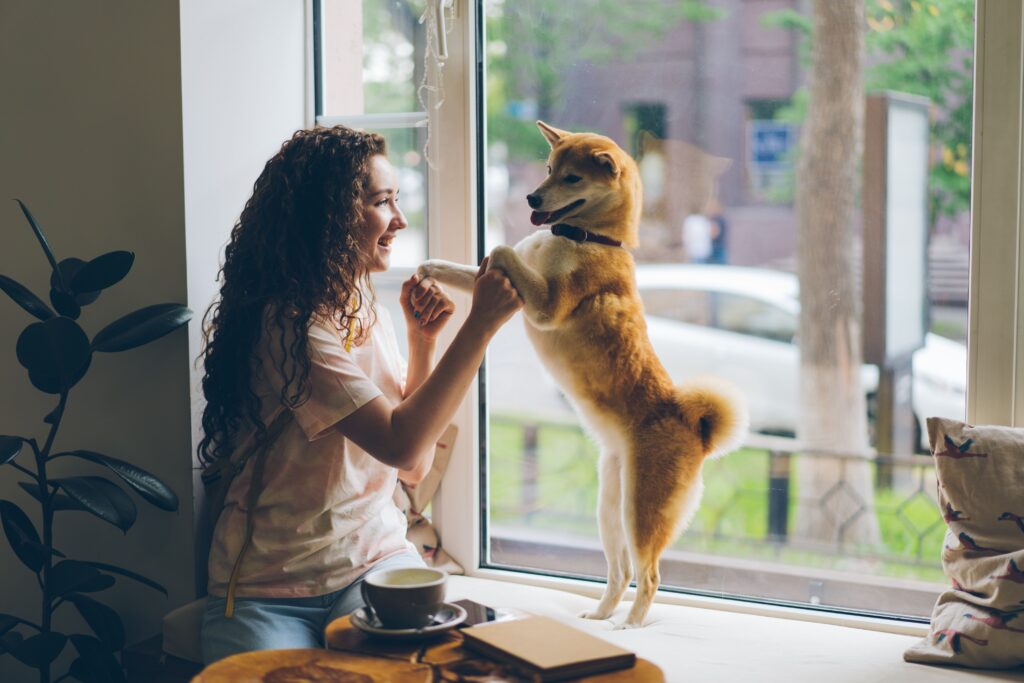
Successful training involves preventing accidental rewards, teaching an alternative greeting and practising in increasingly distracting situations. Begin when your puppy is calm instead of waiting until an excited visitor arrives.
Step 1: Do Not Reward the Jump
When your puppy jumps, resist the temptation to push them away, speak excitedly or immediately begin petting them. Instead:
- Turn your body slightly away.
- Keep your arms relaxed.
- Avoid eye contact and remain quiet.
- Wait until all four paws are on the floor.
- Immediately reward the calm behaviour with attention, praise or a treat.
The RSPCA’s reward-based dog-training guidance recommends withholding attention while a dog jumps and rewarding them when all four paws return to the ground.
Your timing matters. Reward your puppy as soon as their paws touch the floor so they can connect the reward with the correct action.
Step 2: Teach an Alternative Greeting
Simply ignoring jumping does not clearly show your puppy what you want them to do. Teach a simple alternative, such as sitting or standing calmly with four paws on the floor.
Begin in a quiet room. Ask your puppy to sit, then immediately reward them with a treat, praise or their favourite puppy toy. Repeat this exercise in short sessions until your puppy responds reliably.
Once your puppy understands the behaviour, practise near the front door and in other areas where greetings normally occur. Avoid expecting perfect behaviour around visitors before your puppy can perform the skill in a calm environment.
Helpful tip: Keep a small container of treats near the front door. This makes it easier to reward your puppy at the correct moment when somebody arrives.
Step 3: Practise Calm Greetings at the Door
Visitor greetings provide an important opportunity to practice how to stop a puppy from jumping. New voices, movements and smells can make it difficult for an excited puppy to control themselves, so prepare before opening the door.
- Place your puppy on a lead if you need additional control.
- Ask your puppy to sit several steps away from the entrance.
- Ask the visitor to enter calmly.
- Pause the greeting if your puppy jumps.
- Allow the visitor to offer attention when all four paws are on the floor.
If you need more control during greetings, see our guide to the best puppy harnesses for small and large breeds.
The Dogs Trust guide to stopping dogs from jumping up recommends beginning in a calm, familiar environment and practising an alternative greeting, such as sitting, before introducing greater distractions.
Real-life example: Before a visitor arrives, explain that you are teaching your puppy to greet people calmly. Ask the visitor to avoid eye contact and petting while the puppy is jumping. Once your puppy sits or stands calmly, the visitor can offer attention. The greeting then becomes the reward for keeping four paws down.
Step 4: Make Sure Everyone Uses the Same Rules
Consistency is essential when learning how to stop a puppy from jumping. If one family member ignores jumping while another laughs, pets the puppy or encourages them to jump, the behaviour may continue.
Agree on one household rule: attention is only given when the puppy has four paws on the floor. Our other puppy training and behaviour guides can help your family use consistent reward-based methods.
Young children will need adult guidance. Teach them to stand still and avoid waving their arms or running when the puppy becomes excited. An adult should supervise greetings and reward the puppy when they remain calm.
Step 5: Manage Excitement Before It Builds
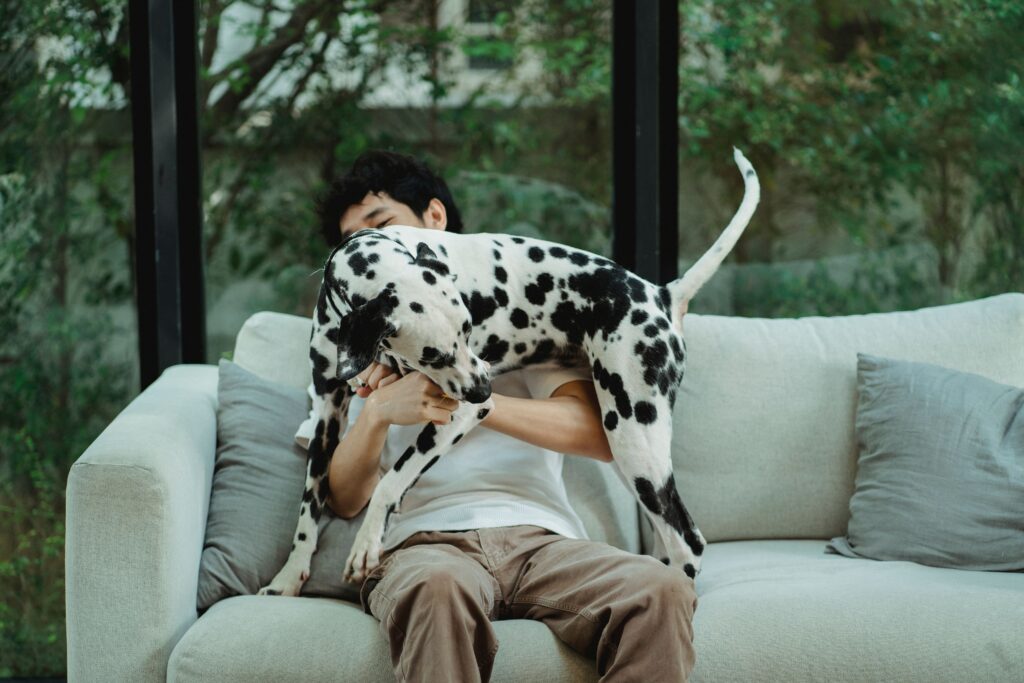
An extremely excited puppy may struggle to respond to a familiar instruction. Prepare your puppy before visitors arrive by providing an appropriate combination of activity, training and rest.
- Offer a toilet break before the visitor arrives.
- Try a short walk or gentle play session if appropriate.
- Practise several easy commands in a quiet room.
- Provide a safe chew toy or food puzzle.
- Prepare a quiet area if the gathering becomes overwhelming.
Exercise should not be used to exhaust your puppy completely. The goal is to meet their needs and reduce excessive energy while keeping them calm enough to learn.
Step 6: Practise in Different Situations
A puppy that can sit calmly in the kitchen may still struggle at the front door or outdoors. Once your puppy understands the greeting at home, practise in several safe locations with people they know.
Gradually add distractions rather than introducing everything at once. Ask a friend to approach slowly, reward your puppy for remaining calm and pause the greeting if they jump. Regular practice will help your puppy use the skill in everyday situations.
Common Puppy-Jumping Mistakes
Avoiding these mistakes can make learning how to stop a puppy from jumping easier for both you and your puppy.
Pushing the Puppy Away
Pushing can feel like play and may give your puppy the attention they were seeking. Calmly turn away and reward your puppy once their paws return to the floor.
Repeating Words Without Teaching an Action
A puppy does not automatically understand words such as “off” or “down.” Teach a clear alternative such as “sit,” practise it during calm moments and reward the correct response.
Allowing Jumping Sometimes
Allowing your puppy to jump when you are wearing casual clothes but discouraging it around visitors creates an inconsistent rule. Reward the same calm greeting every time.
Expecting Fast Results Around Visitors
Visitors create much more excitement than an ordinary training session. Practise in quiet locations first and gradually increase the difficulty. Review these other common puppy training mistakes to avoid confusing your puppy during training.
Punishing Excitement
Your puppy may be jumping because they are friendly and excited. Punishment can create fear without teaching an appropriate greeting. Calm redirection and rewards show your puppy what they should do instead.
When Should You Seek Professional Help?
Consider speaking with your veterinarian or a qualified reward-based trainer if your puppy:
- Frequently knocks over children or vulnerable adults.
- Becomes increasingly difficult to control.
- Jumps while growling, snapping or guarding.
- Shows intense fear or anxiety around visitors.
- Makes little progress despite consistent training.
Professional guidance can help identify whether excitement, fear, anxiety or another issue is contributing to the behaviour. Getting assistance early can prevent an enthusiastic puppy habit from becoming more difficult to manage later.
Frequently Asked Questions
How long does it take to stop a puppy from jumping?
The time required to learn how to stop a puppy from jumping varies. Some puppies improve quickly, while reliable calm greetings may take several weeks. Progress depends on your puppy’s age, temperament, previous experiences and how consistently everyone responds.
Should I use my knee to stop my puppy from jumping?
No. Raising your knee could frighten or injure your puppy and does not teach an appropriate greeting. Turn away, remove attention and reward your puppy when all four paws are on the floor.
Why does my puppy jump more when I come home?
Your return is highly exciting and rewarding for your puppy. Keep your arrival calm, avoid giving attention while they jump and greet them once all four paws are on the floor.
Will my puppy grow out of jumping?
Do not depend on your puppy growing out of the behaviour. Puppies become larger while continuing to repeat habits that produce attention. Teaching an appropriate greeting now is easier than managing the same jumping from a fully grown dog.
Your Daily Training Action Plan
If you are unsure how to stop a puppy from jumping, begin with this simple daily routine:
- Practise “sit” during calm moments.
- Reward four paws on the floor.
- Keep greetings quiet and brief.
- Ask visitors not to reward jumping.
- Use a lead when additional control is needed.
- Practise for a few minutes each day.
Key Things to Remember
- Puppies commonly jump because they are excited or seeking attention.
- Any attention can accidentally reward jumping.
- Teach sitting or standing calmly as an alternative greeting.
- Every family member and visitor should follow the same rule.
- Practise in quiet situations before adding distractions.
- Calm, repeated training works better than punishment.
Final Thoughts
Learning how to stop a puppy from jumping is not about removing your puppy’s joyful personality. It is about teaching them a safer and more polite way to express their excitement. With consistent rules, well-timed rewards and regular practice, your puppy can learn that keeping four paws on the floor brings the attention they want.
Pingback: How to Socialize a Puppy: A Complete Guide for Confident, Friendly Dogs - My Puppy Handbook