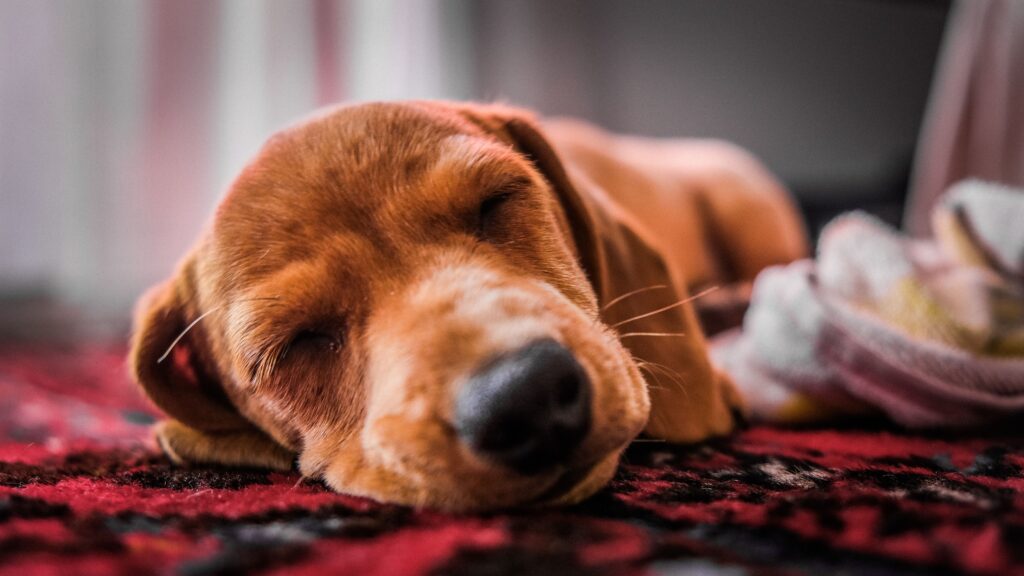
Following a puppy sleep schedule by age can help you provide the right balance of sleep, play, training and exercise throughout your puppy’s first year. Young puppies sleep for much of the day because their bodies and brains are developing rapidly.
As your puppy grows, they will gradually stay awake for longer periods and may sleep more consistently at night. However, daytime naps remain important after walks, training sessions and exciting new experiences.
This puppy sleep schedule by age covers puppies from eight weeks to 12 months. You will learn about typical sleep ranges, nighttime waking, overtired behavior and how to create a peaceful bedtime routine. These ranges are flexible estimates rather than strict requirements because every puppy is different.
Sleep and activity must work together. Our puppy exercise guide by age explains how to balance gentle physical activity, mental enrichment and recovery.
Table of Contents
Why Sleep Is Essential for Puppies
Sleep is not simply a period when your puppy is doing nothing. It gives their growing body time to rest and recover while their brain processes everything they have experienced.
Puppies encounter new people, smells, surfaces, sounds and training exercises every day. Regular naps give them opportunities to recover between these physically and mentally demanding experiences.
A well-rested puppy may also find it easier to concentrate during training. When puppies become overtired, they can appear more excitable rather than sleepy. They may bite, bark, race around the house or struggle to follow familiar instructions.
The VCA puppy sleep guide explains that a two-month-old puppy may sleep for approximately 18 to 20 hours daily. As puppies mature, considerable variation in normal sleeping time remains.
Puppy Sleep Schedule by Age: Quick Overview
Use this table as a general starting point. Your puppy’s breed, size, health, personality and activity level can all affect how long they sleep.
| Puppy age | Approximate daily sleep | Common sleep pattern |
|---|---|---|
| 8 to 12 weeks | Approximately 18–20 hours | Frequent naps and possible nighttime toilet breaks |
| 3 to 4 months | Approximately 16–18 hours | Longer awake periods with several daytime naps |
| 4 to 6 months | Approximately 14–18 hours | Longer nighttime sleep with regular daytime rest |
| 6 to 12 months | Approximately 12–16 hours | Overnight sleep with one or more daytime naps |
Do not become worried because your puppy sleeps slightly more or less than a table suggests. Pay attention to their usual routine and how they behave when awake. A healthy puppy should generally wake readily, eat normally and show interest in appropriate play and interaction.
Sleep Schedule for Puppies Aged 8 to 12 Weeks
At 8 to 12 weeks, many puppies sleep for approximately 18 to 20 hours during each 24-hour period. Their day usually consists of repeated cycles of waking, toileting, eating, playing briefly and sleeping again.
10- to 12-week-old puppy sleep schedule: Puppies around 10 to 12 weeks old may still need approximately 18 to 20 hours of sleep across a 24-hour period. This usually includes frequent daytime naps as well as nighttime sleep, with waking periods for meals, toilet breaks, gentle play and short training sessions.
Your puppy is also adjusting to life without their mother and littermates. New surroundings, people, noises and routines can be tiring. Our guide to the first week with a new puppy explains how to make this adjustment easier.
A typical cycle may include:
- Waking and going outside for a toilet break
- Eating a meal and drinking water
- A short period of gentle play or exploration
- A brief reward-based training exercise
- Another toilet opportunity
- A nap lasting anywhere from a short period to several hours
Very young puppies may wake during the night because they need to toilet or feel unsettled. Keep nighttime outings calm and brief. Allow your puppy to toilet, offer quiet praise and return them to their sleeping area without beginning a play session.
Helpful tip: Do not try to keep a young puppy awake during the day to make them sleep at night. An overtired puppy may become restless, mouthy and more difficult to settle.
Sleep Schedule for Puppies Aged 3 to 4 Months
At three to four months, many puppies begin staying awake for longer between naps. They may sleep for approximately 16 to 18 hours daily, although individual needs vary.
Your puppy is likely experiencing more walks, training and social activities during this stage. These experiences require substantial mental processing, so regular naps remain essential.
A puppy sleep schedule by age should remain flexible enough to accommodate busier days. Your puppy may sleep longer after a training class, veterinary visit or exciting family outing.
A healthy daily pattern may include:
- Morning toilet break and breakfast
- Short walk, play or training activity
- Morning nap
- Meal and toilet break
- Calm exploration or enrichment
- Afternoon nap
- Evening family time
- Final toilet break and bedtime
Sleep Schedule for Puppies Aged 4 to 6 Months
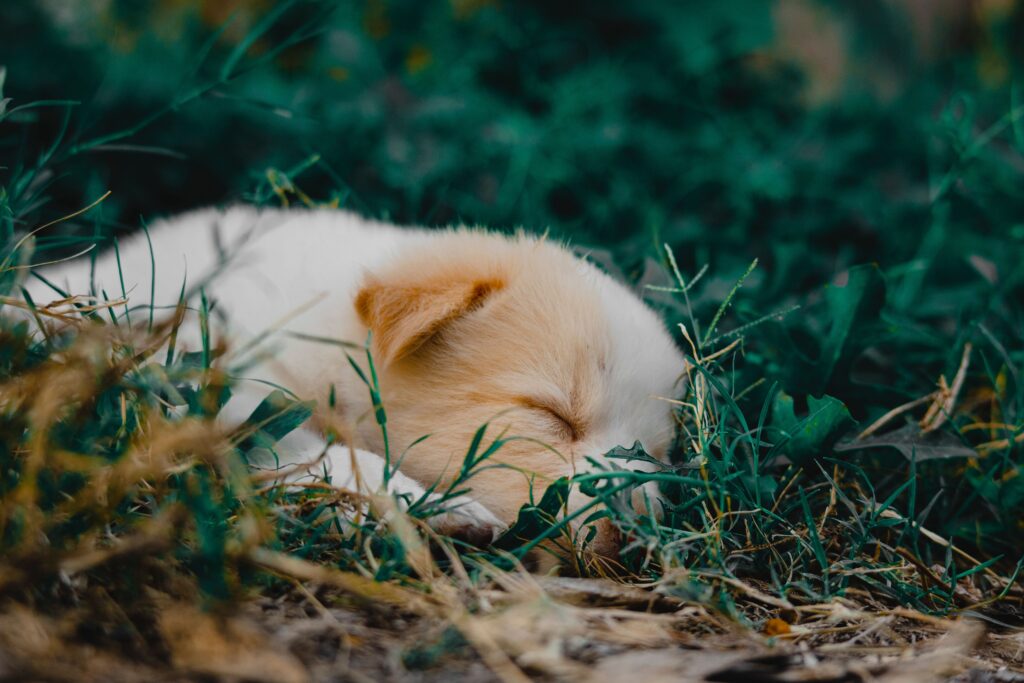
Between four and six months, puppies often become more adventurous and physically active. Many sleep for approximately 14 to 18 hours daily, including overnight sleep and several daytime naps.
Your puppy may begin sleeping for longer stretches overnight as their bladder capacity and routine develop. However, there is no exact age when every puppy will sleep through the night.
Teething may also interrupt sleep during this stage. Sore gums can make some puppies restless, so offer an appropriate chew toy before beginning the quiet part of your evening routine.
A balanced day may contain:
- Morning meal, toilet break and suitable activity
- A morning nap after exercise or training
- Short periods of play and mental enrichment
- An afternoon nap
- A calm evening walk or family activity
- A consistent bedtime routine
Although your puppy is becoming more mature, do not assume that they have outgrown daytime naps. Many puppies become increasingly excited when they need sleep.
Sleep Schedule for Puppies Aged 6 to 12 Months
From six to 12 months, puppies enter adolescence and may appear almost fully grown. Many sleep for approximately 12 to 16 hours daily, including nighttime sleep and one or more daytime naps.
Sleep requirements can still vary considerably. A busy day containing training, walking and new experiences may lead to more sleep, while a quiet day may result in shorter naps.
Adolescent puppies can also experience unpredictable bursts of energy. Continue providing a consistent routine rather than assuming every energetic episode requires a longer walk.
Your older puppy may now:
- Sleep for most of the night
- Stay awake for longer periods during the day
- Take one or more naps after activity
- Adjust their sleep according to the household routine
- Require additional rest after demanding physical or mental activities
Puppy Nap Schedule by Age
Puppies usually need several daytime naps in addition to their nighttime sleep. Young puppies may nap frequently after meals, play, training and toilet breaks, while older puppies generally stay awake for longer periods between naps. Rather than forcing naps at exact times, provide regular opportunities for quiet rest and adjust the routine as your puppy grows.
Signs Your Puppy May Be Overtired
An overtired puppy can behave much like an overtired young child. Instead of lying down peacefully, they may become increasingly active, frustrated or difficult to manage.
Possible signs include:
- Sudden zoomies or frantic running
- Increased biting or mouthing
- Barking more frequently
- Ignoring familiar instructions
- Becoming clumsy or easily frustrated
- Struggling to settle after play
- Losing interest in training
- Falling asleep immediately after stimulation ends
Increased mouthing is particularly common when puppies are tired. Our guide on how to stop a puppy from biting explains how sleep, redirection and positive training can help.
If your puppy appears overtired, reduce household noise and activity and give them access to a comfortable resting space. Do not punish your puppy for struggling to settle.
When Puppy Sleep Could Indicate a Health Problem
Long sleeping periods can be normal during puppyhood. Instead of watching the clock alone, consider whether your puppy’s sleep has changed suddenly and how they behave after waking.
Contact your veterinarian if your puppy:
- Is unusually difficult to wake
- Appears weak, confused or unsteady
- Regularly refuses food or water
- Loses interest in normal play and interaction
- Develops vomiting or diarrhoea
- Shows signs of pain or breathing difficulty
- Begins sleeping substantially more than usual
- Snores heavily, gasps or appears to stop breathing during sleep
Breathing concerns require particular attention in flat-faced breeds. Seek prompt veterinary help if your puppy is struggling to breathe, collapses or cannot be woken normally.
How to Create a Healthy Puppy Bedtime Routine
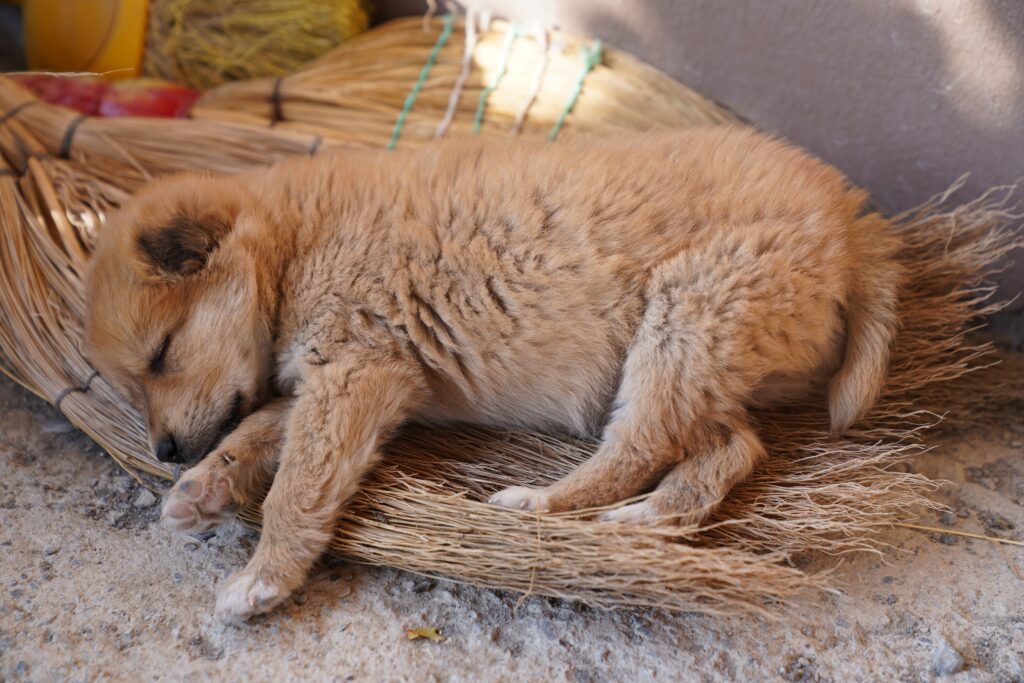
A predictable evening routine can help your puppy understand when the active part of the day is ending. Your routine does not need to be complicated, but it should be reasonably consistent.
1. Finish Energetic Play Earlier
Avoid rough play, frantic fetch and other highly stimulating activities immediately before bed. Gradually move from active play to quieter activities during the evening.
2. Take Your Puppy for a Final Toilet Break
Give your puppy a calm toilet opportunity shortly before bedtime. Very young puppies may still require an overnight toilet trip because they cannot comfortably wait until morning.
Keep overnight outings quiet and brief so your puppy learns that nighttime is for toileting and returning to sleep. Our guide on how to toilet train a puppy provides a practical daily routine.
3. Prepare a Safe Sleeping Area
Choose a sleeping area that is safe, comfortable, dry and protected from extreme temperatures. The RSPCA’s new-puppy guidance recommends providing puppies with a comfortable and easily accessible place to sleep and rest.
Your puppy may sleep in a crate, puppy pen or another secure area. If you choose a crate, introduce it gradually and positively by following our guide on how to crate train a puppy.
If you’re still choosing a crate, see our guide to the best puppy crates for safe and comfortable sleep.
Provide suitable bedding if your puppy does not chew or destroy it. Our guide to the best puppy beds explains how to choose a comfortable, washable sleeping surface.
4. Reduce Noise and Light
Dim the lights and reduce exciting household activity as bedtime approaches. A quiet environment can help your puppy settle, particularly after a busy day.
5. Keep Bedtime Reasonably Consistent
Try to begin your puppy’s bedtime routine at approximately the same time each evening. You do not need perfect timing, but a predictable order of activities helps your puppy recognise what happens next.
6. Allow Daytime Naps
Preventing daytime sleep will not necessarily make bedtime easier. An overtired puppy may become restless and have greater difficulty settling. Allow age-appropriate naps while maintaining a balanced daily rhythm.
Example Puppy Bedtime Routine
| Stage | What to do |
|---|---|
| Early evening | Finish energetic exercise and active play |
| Quiet period | Offer calm interaction or a suitable chew |
| Before bed | Take your puppy outside for a toilet break |
| Bedtime | Guide your puppy to their safe sleeping area |
| During the night | Keep necessary toilet trips quiet and brief |
| Morning | Take your puppy outside soon after waking |
Adjust this example according to your household and your puppy’s needs. A useful puppy sleep schedule by age creates predictability without forcing every nap to begin at an exact time.
Common Puppy Sleep Mistakes
Keeping Your Puppy Awake During the Day
Keeping a puppy awake to make them sleep through the night can have the opposite effect. An overtired puppy may become overstimulated, mouthy and difficult to settle.
Expecting Immediate Overnight Sleep
An eight-week-old puppy may not be physically or emotionally ready to sleep through the entire night. Allow time for toilet training, routine development and adjustment to the new home.
Turning Nighttime Toilet Breaks Into Playtime
Avoid toys, energetic conversation and unnecessary wandering during overnight toilet trips. Keep the outing calm and return your puppy to bed afterward.
Changing the Routine Every Night
Puppies learn through repetition. Constantly changing the sleeping location, bedtime and nighttime routine can make it more difficult for your puppy to predict what is expected.
Ignoring Sudden Behavioural Changes
Gradual changes in sleep are expected as puppies mature. A sudden change accompanied by appetite loss, weakness, pain or other symptoms requires veterinary advice.
Frequently Asked Questions
How much sleep does an eight-week-old puppy need?
An eight-week-old puppy may sleep for approximately 18 to 20 hours during a 24-hour period. This generally consists of nighttime sleep and numerous naps between meals, toilet breaks, play and training.
Is it normal for my puppy to sleep throughout the day?
Frequent daytime sleep can be normal, especially for a young puppy. Consider whether your puppy wakes readily, eats normally and shows interest in play. Contact your veterinarian if the sleep represents a sudden change or is accompanied by other symptoms.
Should I wake my puppy from a nap?
You generally do not need to wake a healthy puppy simply because they have been sleeping for a while. Allow uninterrupted rest whenever practical unless your veterinarian has advised a particular feeding, medication or toilet schedule.
Should my puppy sleep in a crate?
A positively introduced crate can provide a secure sleeping space, but it is not the only option. A puppy pen or another safely prepared area may also be suitable. Choose an arrangement that protects your puppy and supports comfortable rest.
Why does my puppy get zoomies before bedtime?
Zoomies can occur because of excitement, pent-up energy or overtiredness. If they regularly happen after a busy day, begin quiet time earlier and make sure your puppy has enough opportunities to nap.
What time should a puppy go to bed?
There is no single bedtime that suits every puppy. Choose a bedtime that fits your household routine and keep it reasonably consistent. Give your puppy a calm period and a final toilet break before bed. Very young puppies may still need to wake during the night for another toilet break.
When will my puppy sleep through the night?
There is no single age because bladder capacity, development and routines vary. Many puppies gradually sleep for longer periods as they mature, become toilet trained and feel secure in their home.
When do puppies start sleeping less?
Puppies generally begin sleeping less as they grow and can stay awake comfortably for longer periods. Very young puppies may sleep for around 18 to 20 hours a day, while older puppies often need less. The change is gradual rather than happening at a specific age, and individual sleep needs vary.
Quick Puppy Sleep Checklist
- Provide frequent daytime naps appropriate for your puppy’s age.
- Balance exercise and mental stimulation with sufficient rest.
- Keep bedtime reasonably consistent.
- Provide a final toilet break before bed.
- Keep the sleeping area safe, comfortable and quiet.
- Make overnight toilet trips calm and brief.
- Avoid highly energetic play immediately before bedtime.
- Watch for signs of overtiredness.
- Adjust your routine gradually as your puppy matures.
- Seek veterinary advice about sudden or concerning changes.
Key Things to Remember
A puppy sleep schedule by age should serve as a flexible guide rather than a rigid timetable. Younger puppies generally sleep more, while older puppies gradually develop longer awake periods and more consistent nighttime routines.
Daytime naps remain valuable throughout puppyhood, especially after exercise, training and unfamiliar experiences. Do not automatically assume that zoomies, biting or restlessness mean your puppy needs more activity—they may need quiet time and sleep.
Final Thoughts
Using a puppy sleep schedule by age can help you understand how your puppy’s needs change from eight weeks to 12 months. Your puppy does not need every nap to occur at an exact time. They need regular opportunities to rest, a comfortable sleeping area and a predictable rhythm of meals, toileting, activity and sleep.
Watch your individual puppy rather than relying only on the clock. With patience and a consistent routine, your puppy can gradually develop healthy sleep habits that support growth, learning and everyday wellbeing.