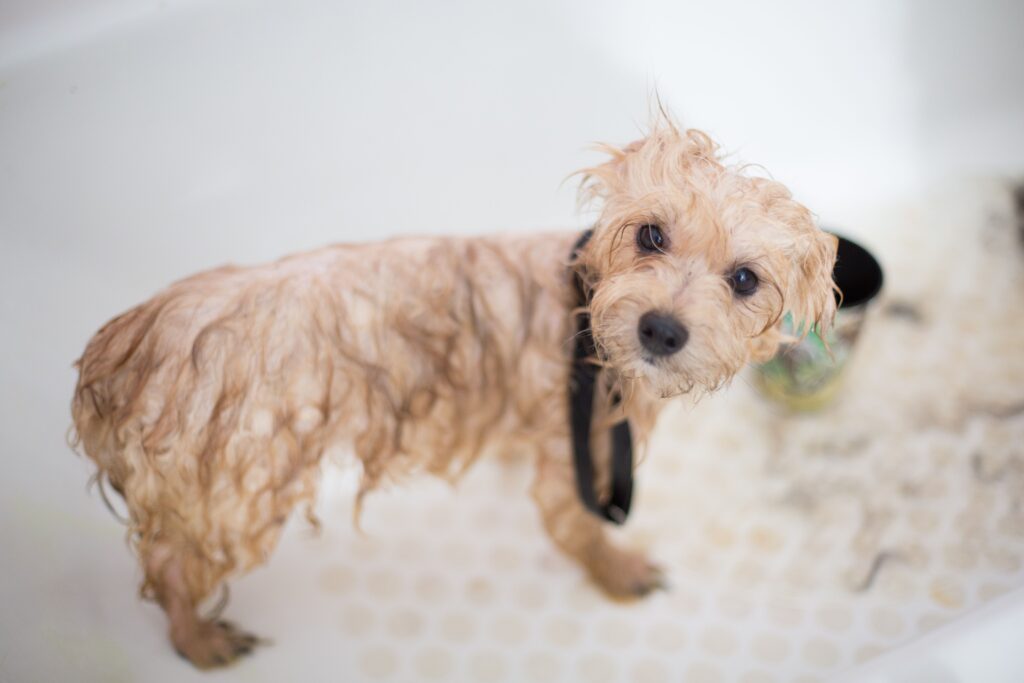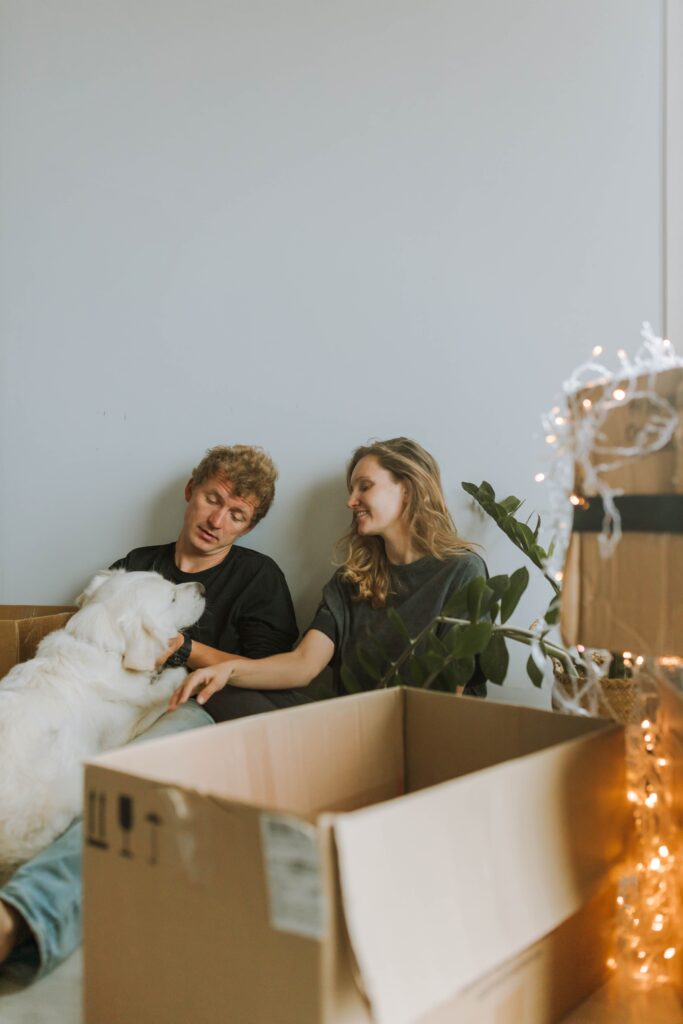
Bringing your puppy home is exciting, but the first few days can also feel overwhelming. The first week with a new puppy is an important adjustment period as your puppy gets used to a new home, new people and a completely different routine.
You do not need to get everything perfect during the first week. Your main priorities are helping your puppy feel safe, establishing a simple routine and beginning to build trust.
This day-by-day guide walks you through what to focus on during your puppy’s first seven days at home.
Table of Contents
Day 1: Bringing Your New Puppy Home
Your puppy’s first day should be calm and simple. Moving to a new home is a big change, so give your puppy plenty of time to explore and settle in at their own pace.
Show your puppy where their bed, water bowl, toys and toilet area are located. Keep the environment quiet and avoid introducing too many visitors at once.
Take your puppy to their designated toilet area regularly, particularly after eating, drinking, playing or waking from a nap. The goal for Day 1 is not training. It is helping your puppy begin to feel safe in their new home.
Day 2: Establish a Puppy Routine
During the first week with a new puppy, establishing a simple daily routine can make the adjustment easier for both you and your puppy. Try to keep meals, toilet breaks, playtime and bedtime reasonably consistent. Puppies need frequent toilet opportunities, so take your puppy to their toilet area regularly throughout the day.
Your puppy will also need plenty of sleep. Young puppies can become overtired surprisingly quickly, so allow plenty of quiet time and naps between play and other activities.
A predictable routine can help your puppy gradually learn what happens throughout their day.
Day 3: Start Gentle Training
Once your puppy is beginning to settle, you can introduce short and positive training sessions.
Start with simple skills such as responding to their name, coming towards you when called or sitting.
Use praise and small treats to reward the behavior you want. Keep training sessions short, around three to five minutes at a time, so your puppy does not become tired or frustrated.
Training during the first week should feel more like a game than a lesson.
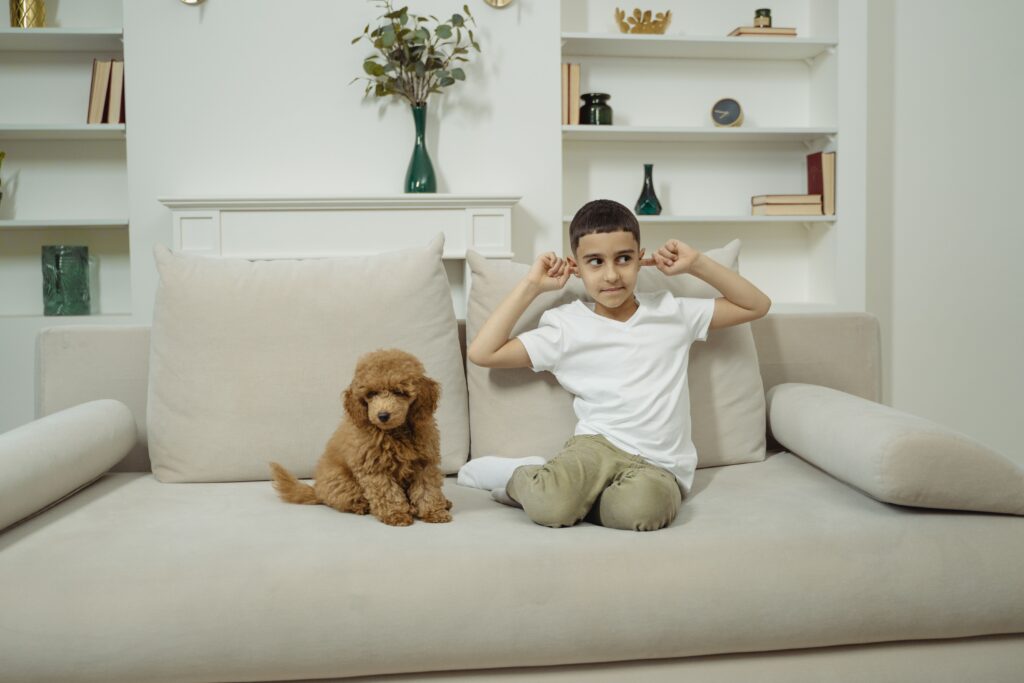
Day 4: Introduce Safe Socialisation
Socialization is about helping your puppy develop positive experiences with the world around them.
Introduce new sights, sounds, surfaces and people gradually. This might include hearing household appliances, walking on different surfaces or calmly meeting a new person at home.
Be careful about taking a young puppy to dog parks or other areas frequently visited by unfamiliar dogs before they are appropriately protected by vaccination. Ask your veterinarian when it is safe for your puppy to explore public areas. Never force your puppy into an interaction when they appear frightened or uncomfortable. Keep new experiences short, calm and positive.
Day 5: Build Good Habits
By Day 5, continue reinforcing the routine you have started. Keep meals and toilet breaks consistent and continue encouraging appropriate sleeping, playing and resting habits. Reward behaviors you want to see again. If your puppy does something unwanted, calmly redirect them towards a more appropriate activity.
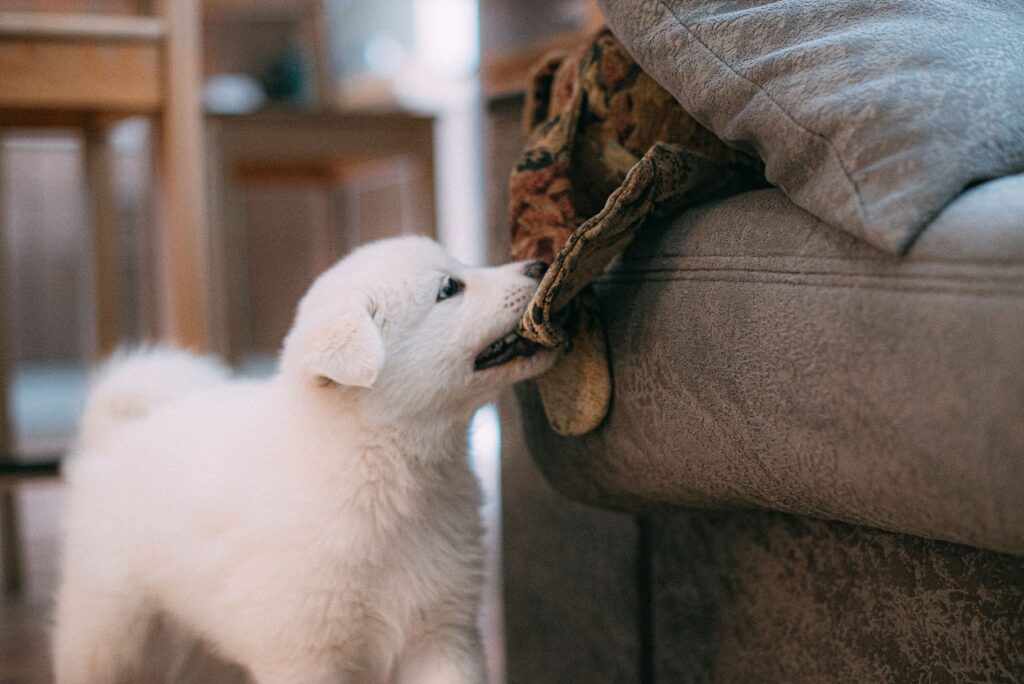
For example, if your puppy starts chewing something they should not, offer an appropriate puppy-safe chew toy instead. Consistency is more important than expecting perfect behavior during the first week.
Day 6: Encourage Play and Bonding
Play is an important part of bonding with your puppy. Spend some time playing simple, age-appropriate games with toys, practising gentle training and simply relaxing together. You can also allow your puppy to explore safe areas of the home while supervised. Avoid overdoing physical exercise. Puppies are still developing, and their exercise needs vary depending on their age, breed and health.
Day 6 is really about continuing to build trust while helping your puppy feel increasingly comfortable around you.
Day 7: Finish Your First Week Together
You have reached the end of the first week with a new puppy, an important milestone for both you and your new companion. Your puppy may be starting to feel more comfortable, but remember that every puppy adjusts at a different pace. Some settle quickly, while others need considerably more time.
Continue with the routines you have introduced, reward positive behavior and keep training sessions short and enjoyable. There will still be toilet accidents, chewing, biting, interrupted sleep and plenty of learning ahead. That is normal. The first week is only the beginning.
Key Takeaways From the First Week With a New Puppy
- Keep your puppy’s daily routine reasonably consistent.
- Give your puppy plenty of opportunities to sleep and rest.
- Take your puppy to their toilet area frequently.
- Keep early training short, positive and reward-based.
- Introduce new experiences gradually and safely.
- Avoid overwhelming your puppy with too many visitors or activities.
- Be patient. Your puppy is learning how life works in an entirely new home.