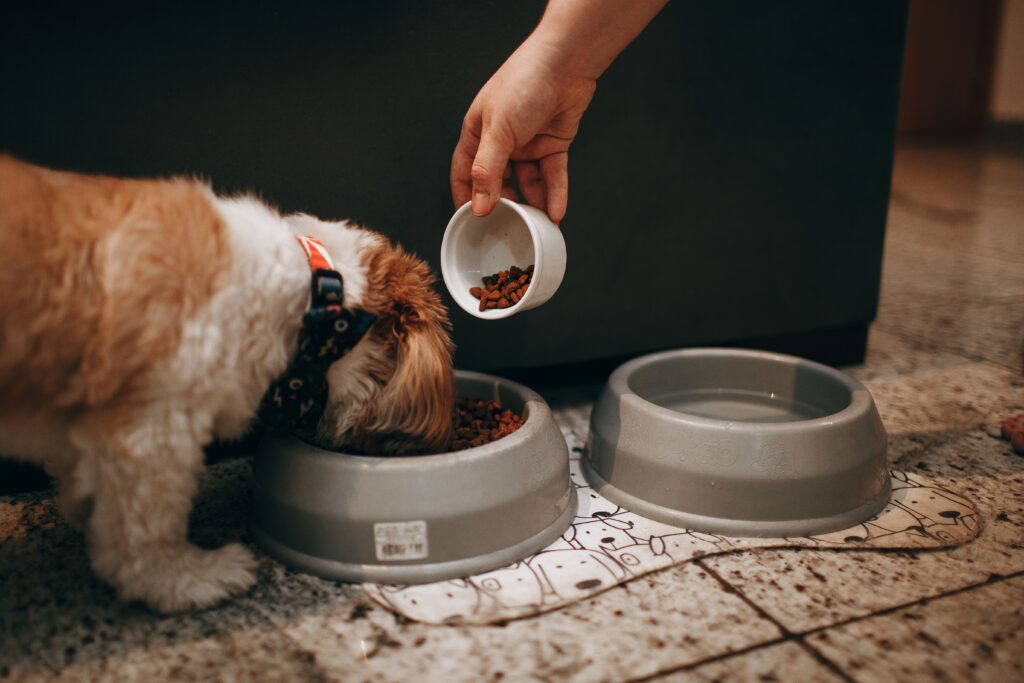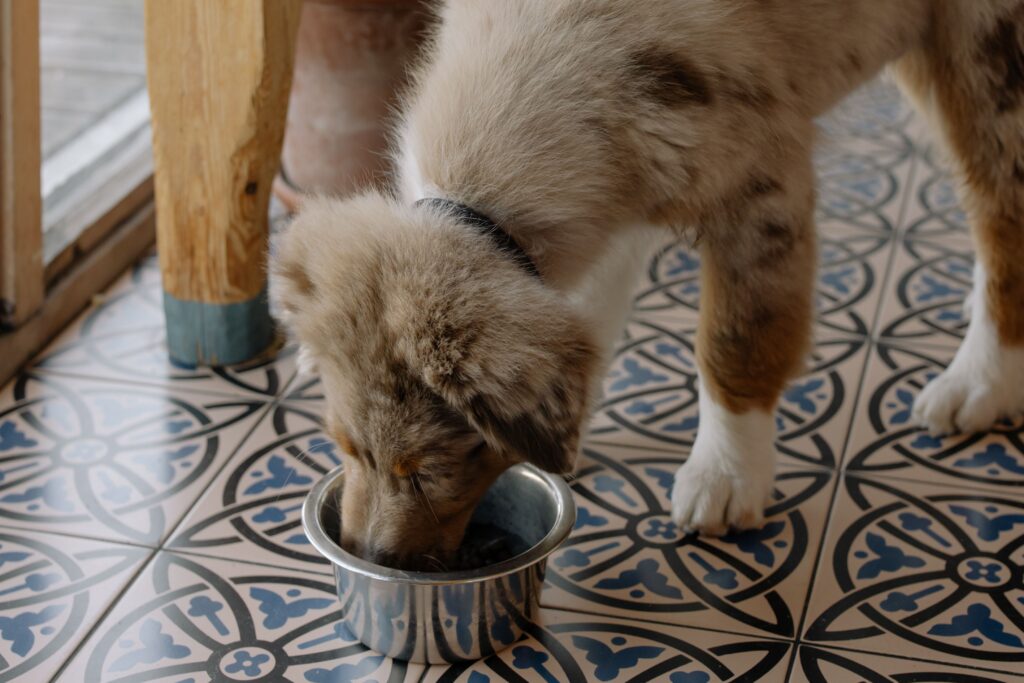
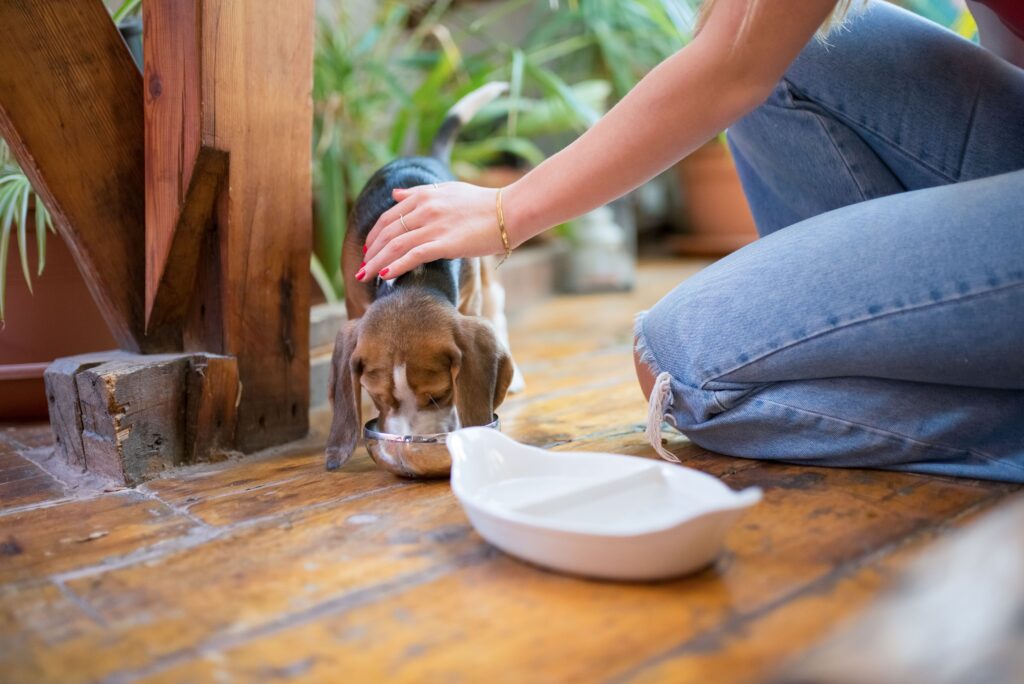
Bringing a puppy home comes with plenty of decisions and choosing what to feed them is one of the important ones. The best puppy food isn’t necessarily the most expensive bag on the shelf or the one with the most impressive-looking ingredient list. It needs to provide balanced nutrition that is appropriate for your puppy’s age, growth and expected adult size.
Small, medium and large-breed puppies don’t always grow at the same rate, either. That means the food that suits a tiny Chihuahua may not be the right choice for a rapidly growing Great Dane. This guide explains what to look for when choosing puppy food and how your puppy’s size can influence that decision.
Our Top Puppy Food Picks
We compared puppy foods based on practical factors that matter when feeding a growing puppy, including life stage, food type, formula, feeding convenience and suitability for different puppy needs. We also selected products that serve different purposes rather than recommending several very similar foods.
Our selections include an everyday dry puppy food, a wet puppy food, a formula specifically intended for large-breed puppies and an alternative dry-food option. The right food will depend on your puppy’s age, expected adult size, individual needs and how they respond to the diet.
Affiliate Disclosure
This article contains affiliate links. If you make a purchase through one of these links, My Puppy Handbook may earn a commission at no additional cost to you. As an Amazon Associate I earn from qualifying purchases. Affiliate relationships do not determine which products we recommend.
Table of Contents
Quick Comparison of Our Top Puppy Food Picks
| Puppy Food | Our Pick | Food Type | Puppy Focus | Best For |
|---|---|---|---|---|
| Purina ONE +Plus Healthy Puppy Formula | Best Overall | Dry | Puppy formula | Everyday puppy feeding |
| Purina Pro Plan Development Wet Puppy Food | Best Wet Puppy Food | Wet | Puppies under one year | Owners wanting a wet-food option |
| Wholesomes Large Breed Puppy Chicken Meal & Rice | Best for Large-Breed Puppies | Dry | Large-breed puppy formula | Growing large-breed puppies |
| Jinx Puppy Dry Dog Food | Best Alternative Dry Food | Dry | Puppy formula | Owners wanting another dry-food option |
Note: Product formulas, ingredients, package sizes and availability can change. Always check the current product label and feeding instructions before choosing food for your puppy.
1. Purina ONE +Plus Healthy Puppy Formula — Best Overall
Purina ONE +Plus Healthy Puppy Formula is our Best Overall pick for puppy owners looking for a dry food formulated specifically for growing puppies. It provides a convenient everyday option for owners who want a puppy-specific formula from an established pet food brand.
When choosing any puppy food, the formula should be appropriate for your puppy’s growth stage and expected adult size. Feeding amounts should also be adjusted according to your puppy’s age, weight, body condition and the current feeding instructions on the package.
Why we like it
- Formulated specifically for puppies
- Dry food that is easy to portion for regular meals
- Suitable as an everyday puppy food option
- Available through Amazon USA
Things to consider
- Follow the current feeding directions for your puppy’s age and weight
- Individual puppies can have different nutritional needs
- Introduce a new food gradually when appropriate
- Check the current product label and nutritional information before feeding
- Ask your veterinarian for advice if your puppy has allergies, digestive problems, unusual growth or other dietary requirements
Best for: Puppy owners looking for a straightforward dry puppy food for everyday feeding.
Check the Purina ONE +Plus Healthy Puppy Formula on Amazon (paid link)
2. Purina Pro Plan Development Wet Puppy Food — Best Wet Puppy Food
Purina Pro Plan Development Wet Puppy Food is our Best Wet Puppy Food pick for owners who prefer canned food for their growing puppy. The variety pack shown includes Chicken Entrée and Turkey Entrée formulas and is labeled for puppies under one year.
Wet food can be useful for owners who want an alternative to dry kibble or prefer to include canned food in their puppy’s feeding routine. As with any puppy food, follow the current feeding directions and make sure the particular formula is appropriate for your puppy’s age, size and individual nutritional needs.
Why we like it
- Formulated specifically for puppies
- Labeled for puppies under one year
- Wet food provides an alternative to dry kibble
- Variety pack includes chicken and turkey entrées
- Convenient canned format
- Offers two flavors within one pack
Things to consider
- Follow the current feeding instructions on the product packaging
- Refrigerate opened food according to the manufacturer’s directions
- Puppies have different calorie and portion requirements
- Introduce dietary changes gradually when appropriate
- Check the current product label and nutritional information before feeding
- Speak with your veterinarian if your puppy has allergies, digestive problems or other special dietary requirements
Best for: Puppy owners looking for a wet puppy food option with more than one flavor.
Check the Purina Pro Plan Development Wet Puppy Food on Amazon (paid link)
3. Wholesomes Large Breed Puppy Chicken Meal & Rice — Best for Large-Breed Puppies
Wholesomes Large Breed Puppy Chicken Meal & Rice is our Best for Large-Breed Puppies pick. The formula is specifically labeled for large-breed puppies, making it a more targeted option for owners whose puppies are expected to grow into larger adult dogs.
The listing describes the food as having kibble sized specifically for large-breed puppy growth and identifies chicken meal and rice as part of the formula. Because large-breed puppies can have different nutritional requirements during growth, owners should follow the current feeding instructions and choose portions appropriate for their puppy’s age, weight and development.
Why we like it
- Specifically formulated for large-breed puppies
- Dry food designed for the puppy growth stage
- Kibble sized for large-breed puppies
- Chicken meal and rice formula
- Large 35 lb bag
- Provides a breed-size-specific alternative to general puppy food
Things to consider
- A 35 lb bag may be more food than some households need at one time
- Follow the current feeding guidelines rather than estimating portions
- Monitor your puppy’s weight and body condition as they grow
- Check the current product label and nutritional information before feeding
- Availability and shipping can vary by location
- Ask your veterinarian for guidance if you are unsure about the nutritional needs of your large-breed puppy
Best for: Owners looking for a dry food formulated specifically for growing large-breed puppies.
Check the Wholesomes Large Breed Puppy Chicken Meal & Rice on Amazon (paid link)
4. Jinx Puppy Dry Dog Food — Best Alternative Dry Food
Jinx Puppy Dry Dog Food is our Best Alternative Dry Food pick for puppy owners looking for another dry-food option beyond the more traditional brands in our roundup. The Chicken Puppy formula shown is a Cage-Free Chicken, Brown Rice & Sweet Potato Recipe and is specifically labeled for puppies.
The current listing highlights real chicken as the first ingredient and includes DHA, probiotics and fiber. As with any puppy food, owners should check the current product label, follow the feeding directions and choose portions appropriate for their puppy’s age, weight and development.
Why we like it
- Specifically formulated for puppies
- Cage-free chicken, brown rice and sweet potato recipe
- Available in multiple bag sizes
Things to consider
- Follow the current feeding directions on the package
- Introduce a new food gradually when appropriate
- Individual puppies can have different nutritional requirements
- Check the current ingredients and nutritional information before feeding
- Monitor your puppy’s weight and body condition as they grow
- Speak with your veterinarian if your puppy has allergies, digestive problems or other special dietary needs
Best for: Puppy owners looking for an alternative dry puppy food with a chicken, brown rice and sweet potato recipe.
Check the Jinx Puppy Dry Dog Food on Amazon (paid link)
How We Chose These Puppy Foods
We compared these puppy foods using practical criteria that matter when feeding a growing puppy, including the intended life stage, food type, formula, feeding convenience and suitability for different puppy needs. We also selected products that serve different purposes rather than recommending four very similar foods.
Our picks include an everyday dry puppy food, a wet puppy food, a formula specifically intended for large-breed puppies and an alternative dry-food option. We reviewed the product information and specifications available on the current listings, but ingredients, formulas, package sizes and availability can change over time.
We did not select products based solely on price, ratings or marketing claims. Puppy owners should always check the current product label and feeding instructions and choose a food appropriate for their puppy’s age, expected adult size and individual needs. If you are unsure what to feed your puppy or your puppy has specific dietary or health requirements, speak with your veterinarian.
Why the Best Puppy Food Matters
Puppies have different nutritional requirements from adult dogs because their bodies are still developing.
They need an appropriate balance of protein, fats, vitamins, minerals and energy to support growth. Feeding a complete puppy food designed for the growth stage is one of the simplest ways to provide those nutrients in suitable proportions. The goal isn’t to make a puppy grow as quickly as possible. Healthy, controlled development matters, particularly for puppies expected to become large dogs.
The Best Puppy Food for Small Breeds
Small-breed puppies have relatively high energy needs for their body size. Breeds such as Chihuahuas, Yorkshire Terriers, Pomeranians and Toy Poodles also have small mouths, so kibble size can make a practical difference at mealtimes.
When comparing food for a small-breed puppy, look for a complete and balanced formula intended for growth. Some foods designed specifically for small breeds have smaller pieces that are easier for little mouths to pick up and chew.
Because these puppies eat relatively small portions, measuring meals is useful. Start with the feeding guide on the packaging and monitor your puppy’s growth and body condition rather than automatically offering more food whenever the bowl is empty.
Very young or unusually small puppies may have individual feeding requirements. If your puppy struggles to eat, isn’t gaining weight as expected or you’re concerned about their feeding schedule, speak with your veterinarian.
Best Puppy Food for Medium Breeds
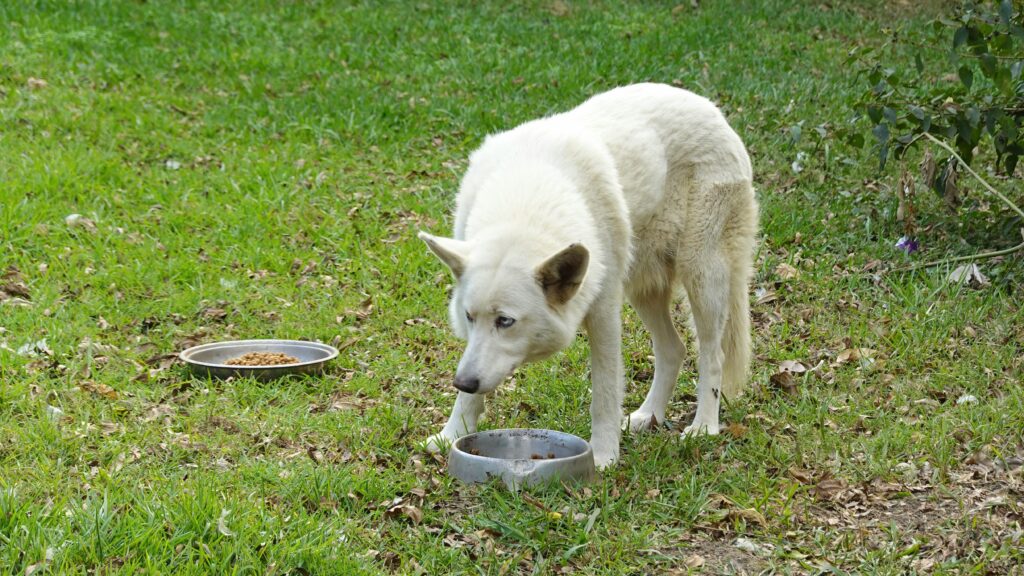
Medium-sized breeds include dogs such as Beagles, Border Collies, Cocker Spaniels and Australian Shepherds, although individual adult sizes can vary considerably.
For these puppies, look for a complete and balanced food formulated for growth. It should provide appropriate protein and fats along with the vitamins and minerals required during development.
Some puppy foods also contain DHA, an omega-3 fatty acid associated with normal brain and eye development.
Don’t choose a food solely because the front of the bag uses words such as “premium” or highlights a particular ingredient. Turn the package around and look at the nutritional information, feeding instructions and suitability for your puppy’s life stage.
Your puppy’s age, activity, expected adult size and body condition will all help determine how much they need to eat.
Best Puppy Food for Large Breeds
Nutrition deserves extra attention when you’re raising a large or giant-breed puppy. German Shepherds, Labrador Retrievers, Golden Retrievers and Great Danes are examples of dogs that may benefit from food formulated specifically for large-breed puppy growth.
These puppies should develop steadily rather than being encouraged to gain weight rapidly. Large-breed puppy formulas are designed with growth, energy intake and mineral balance in mind. Calcium and phosphorus are particularly important during bone development, but more isn’t necessarily better. Avoid adding calcium supplements to a complete puppy diet unless your veterinarian specifically recommends them.
Portion control matters too as overfeeding can cause a puppy to gain too much weight. Start with the manufacturer’s feeding instructions, watch your puppy’s body condition as they develop and discuss their growth with your veterinarian during routine appointments.
What Should You Look for in Puppy Food?
It’s tempting to turn the packet over and judge a food entirely by its ingredient list. That doesn’t tell the whole story. A puppy needs the finished diet to provide nutrients in the right amounts and proportions. When comparing foods, first check whether the product is complete and suitable for growth or your puppy’s particular life stage.
Useful nutritional features include:
- Protein: Helps support developing muscles and body tissues.
- Fats: Provide energy as well as essential fatty acids.
- DHA: An omega-3 fatty acid involved in normal brain and vision development.
- Calcium and phosphorus: Important for developing bones and teeth when supplied in appropriate amounts and proportions.
- Vitamins and minerals: Required for normal growth and body functions.
An ingredient list can still be useful, particularly when a dog has a known food sensitivity, but it shouldn’t be the only measure of a food’s quality.
Foods Puppies Should Avoid
Puppies have a talent for investigating anything that smells interesting, including foods that aren’t safe for them.
Some foods and ingredients that can be harmful to dogs include:
- Chocolate, which contains methylxanthines such as theobromine and caffeine.
- Grapes and raisins, which can cause kidney injury in dogs.
- Onions and garlic, which can damage red blood cells when enough is consumed.
- Xylitol, a sweetener found in some sugar-free foods and other products that can be extremely dangerous to dogs.
- Alcohol, which should never be given to a puppy or adult dog.
Cooked bones and items that can splinter, cause choking or obstruct the digestive tract should also be avoided. If you think your puppy has eaten something potentially poisonous, contact a veterinarian or appropriate animal poison service promptly rather than waiting for symptoms to develop.
How to Read a Puppy Food Label
Puppy food packaging contains useful information, but the colorful claims on the front aren’t necessarily the best place to start. The WSAVA Global Nutrition Guidelines provide guidance on the information owners can consider when evaluating pet food. Turn the package around and look for information that helps you judge whether the food is nutritionally appropriate for your puppy.
Pay attention to:
- Nutritional adequacy: Look for information showing that the food is complete and appropriate for growth or your puppy’s life stage.
- Feeding guidelines: These provide a starting point for deciding how much to feed.
- Nutritional analysis: This provides information about nutrients such as protein and fat, although labelling requirements differ between countries.
- Calorie information: Where available, this can help when comparing foods and planning portions.
- Manufacturer details: A reputable manufacturer should provide clear contact information for questions about its products.
Also consider who formulates and manufactures the food and what quality-control procedures the company uses. Remember that the feeding recommendation on a packet is a starting point, not a personalized prescription. Two puppies of similar weight can have different energy requirements because of differences in activity, growth, breed and body condition.
Frequently Asked Questions
What is the best puppy food?
There isn’t one food that’s best for every puppy.
Look for a complete and balanced diet appropriate for growth and your puppy’s expected adult size. The manufacturer, nutritional adequacy, your puppy’s health and how they respond to the food are more useful considerations than choosing a product based on one fashionable ingredient.
Your veterinarian can also help if your puppy has unusual growth, digestive problems or other dietary requirements.
What is the best puppy food for small breeds?
Choose a complete puppy formula appropriate for growth and your puppy’s expected adult size.
Small-breed formulas often use smaller kibble pieces, which can be easier for little puppies to manage. Portion size still matters, so follow the feeding instructions and monitor your puppy’s growth and body condition.
Can puppies eat adult dog food?
Puppies generally need food appropriate for growth rather than relying on a diet intended only for adult maintenance.
Check the nutritional information on the package to make sure the food is suitable for your puppy’s life stage and expected adult size.
How often should I feed my puppy?
Feeding frequency changes as puppies grow. Young puppies generally eat several smaller meals throughout the day, with the number of meals gradually decreasing as they mature. Your puppy’s age and individual needs matter, so use the feeding instructions provided with their food as a starting point.
What is the best puppy food for medium breeds?
Look for a complete and balanced puppy food suitable for growth. Consider your puppy’s expected adult size, body condition and activity rather than relying only on breed labels. Follow the feeding guidelines initially and adjust portions when necessary based on your puppy’s development and veterinary advice.
What is the best puppy food for large breeds?
Large-breed puppies can benefit from food specifically formulated for large-dog growth. These formulas take controlled growth and appropriate mineral balance into account. Avoid encouraging rapid weight gain and don’t add mineral supplements to a complete diet unless your veterinarian recommends them.
Should I change my puppy’s food often?
There is usually no reason to keep changing a puppy’s food when they are doing well on a nutritionally appropriate diet. When a food change is needed, switching to a new diet too quickly can cause digestive upset in some dogs. A gradual transition is often easier for the puppy to tolerate, unless your veterinarian has advised you to make an immediate change for a medical reason. Watch your puppy during the transition and contact your veterinarian if they develop persistent vomiting, diarrhea or other concerning symptoms.
Key Things to Remember When Choosing Puppy Food
Choosing puppy food becomes much easier when you ignore some of the marketing noise and concentrate on what your puppy actually needs.
- Choose a complete food appropriate for puppy growth.
- Consider your puppy’s expected adult size.
- Don’t judge food quality from the ingredient list alone.
- Follow feeding instructions as a starting point rather than an exact prescription.
- Measure portions and monitor your puppy’s body condition.
- Make dietary changes gradually when appropriate.
- Keep fresh drinking water available.
- Ask your veterinarian for advice if your puppy isn’t growing as expected or has special dietary needs.
Ultimately, the best puppy food is one that provides appropriate nutrition for your individual puppy and supports steady, healthy development.