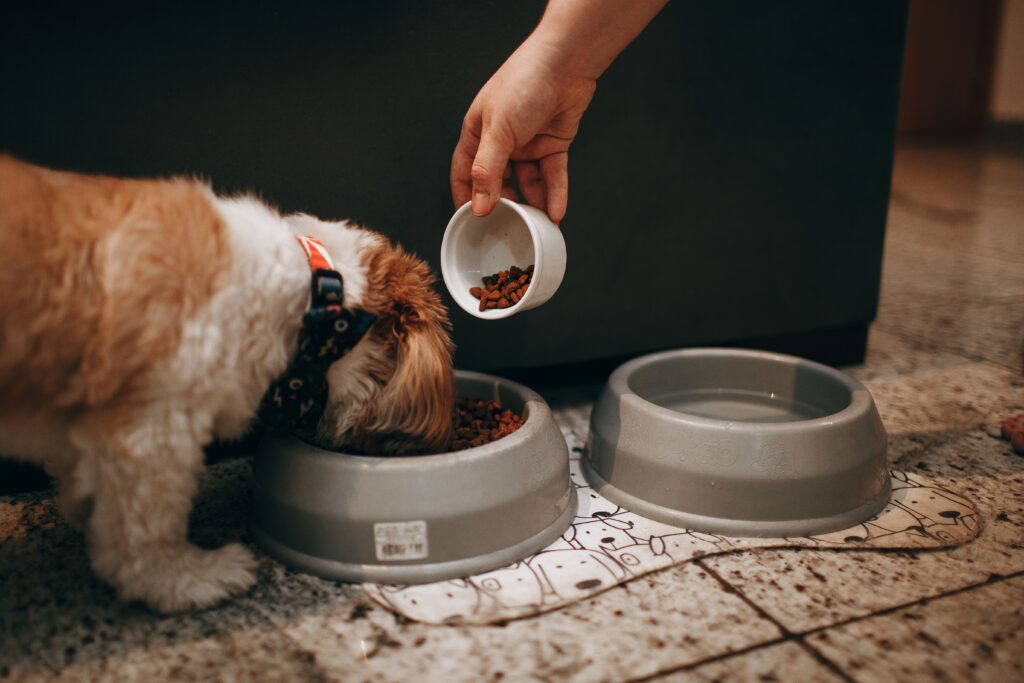
Feeding your puppy correctly plays an important role in healthy growth and development. However, it’s easy for new puppy owners to make simple feeding mistakes, such as giving too much food, changing foods too quickly or offering too many treats.
The good news is that most puppy feeding mistakes are easy to correct once you know what to look for. In this guide, we’ll cover 10 common puppy feeding mistakes and explain how to avoid them so you can build healthier feeding habits from the start.
1. Feeding Your Puppy Too Much Food
It can be surprisingly easy to overfeed a puppy, especially when they finish a meal quickly and still seem hungry.
However, regularly feeding more than your puppy needs can lead to excessive weight gain. Overfeeding is particularly concerning during growth, and RSPCA Australia notes that it may predispose puppies, especially large and giant breeds, to muscle and bone problems.
Use the feeding guidelines on your puppy food as a starting point and measure portions carefully. Your puppy’s age, size, activity level, body condition and the food’s calorie content can all affect how much they need. If you’re unsure whether your puppy is receiving the right amount, ask your veterinarian to assess their growth and body condition.
2. Giving Your Puppy Too Many Treats
Treats can be useful for training and rewarding good behavior, but they still contribute to your puppy’s overall food intake. Giving too many treats can add unnecessary calories and may also reduce your puppy’s appetite for their regular, nutritionally balanced food.
Keep treats small and considers using some of your puppy’s normal food allowance as training rewards. Treats should complement your puppy’s normal diet rather than replace it. RSPCA Australia also recommends caution with commercial treats and advises puppy owners to speak with their veterinarian if they have questions about suitable options.
3. Changing Puppy Food Too Quickly
Another common puppy feeding mistake is suddenly replacing one food with another. A rapid change may cause digestive upset, including loose stools, vomiting or reduced appetite. When changing puppy food, introduce the new food gradually. You can mix increasing amounts of the new food with decreasing amounts of the previous food over several days.
If your puppy develops persistent digestive problems or seems unwell during the transition, contact your veterinarian.
4. Regularly Feeding Table Scraps
Those pleading puppy eyes can be persuasive, but regularly sharing food from your plate isn’t a good feeding habit. Table scraps can add unnecessary calories, encourage begging and make it more difficult to maintain a balanced diet.
More importantly, some human foods are dangerous for dogs. Chocolate, grapes, raisins, onions and garlic are among the foods that should not be given to puppies. RSPCA Australia also warns against foods such as cooked bones, fatty foods and several other potentially dangerous foods.
Instead of automatically sharing your meal, use part of your puppy’s regular food allowance or an appropriate puppy treat when you want to reward them.
If you suspect your puppy has eaten something potentially toxic, contact your veterinarian promptly.
5. Not Providing Fresh Drinking Water
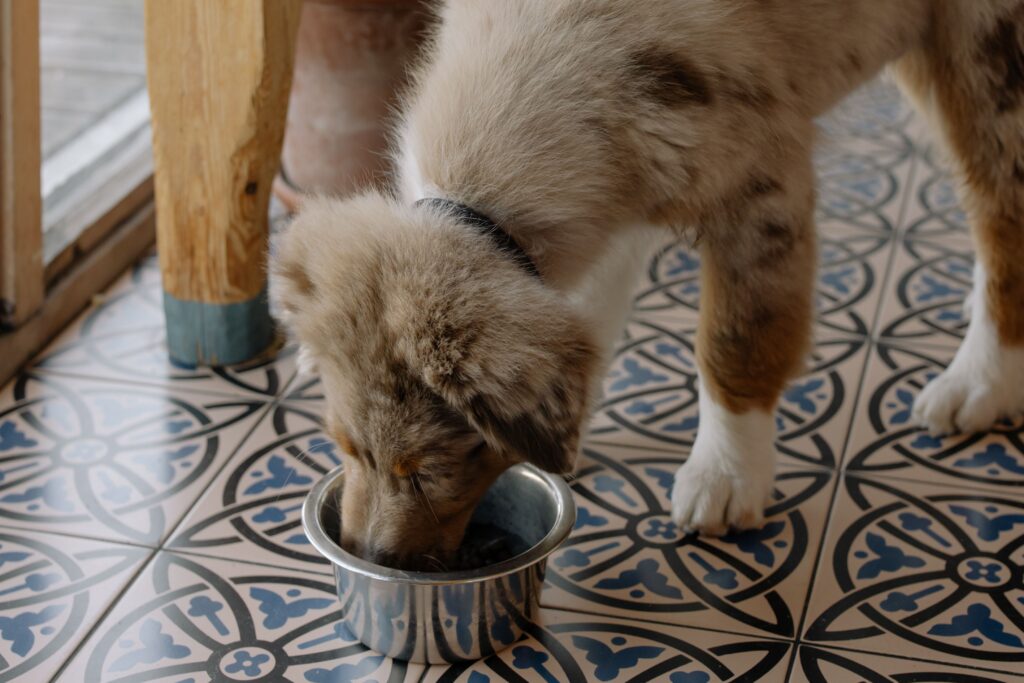
Puppies should have access to fresh, clean drinking water. Water is essential for normal body functions and is particularly important during warm weather and after activity. Wash your puppy’s water bowl regularly and replace the water when it becomes dirty. Keep the bowl somewhere your puppy can easily access and check it throughout the day.
RSPCA Australia’s puppy feeding guidance recommends that fresh drinking water be available at all times. If you notice a significant unexplained change in how much your puppy drinks, especially alongside other signs of illness, speak with your veterinarian.
6. Feeding at Inconsistent Times
Puppies generally benefit from a predictable daily routine, and feeding is part of that routine. Serving meals at reasonably consistent times makes it easier to monitor your puppy’s appetite. It can also help you develop a more predictable toilet-training routine.
How often your puppy needs to eat depends on factors including age and individual needs. Younger puppies generally need more frequent meals, with meal frequency gradually decreasing as they grow. RSPCA Australia recommends beginning with at least four meals a day and gradually reducing the number as the puppy gets older.
If you’re unsure about your puppy’s schedule, follow the guidance provided with their food and ask your veterinarian for advice.
7. Guessing Your Puppy’s Portion Sizes
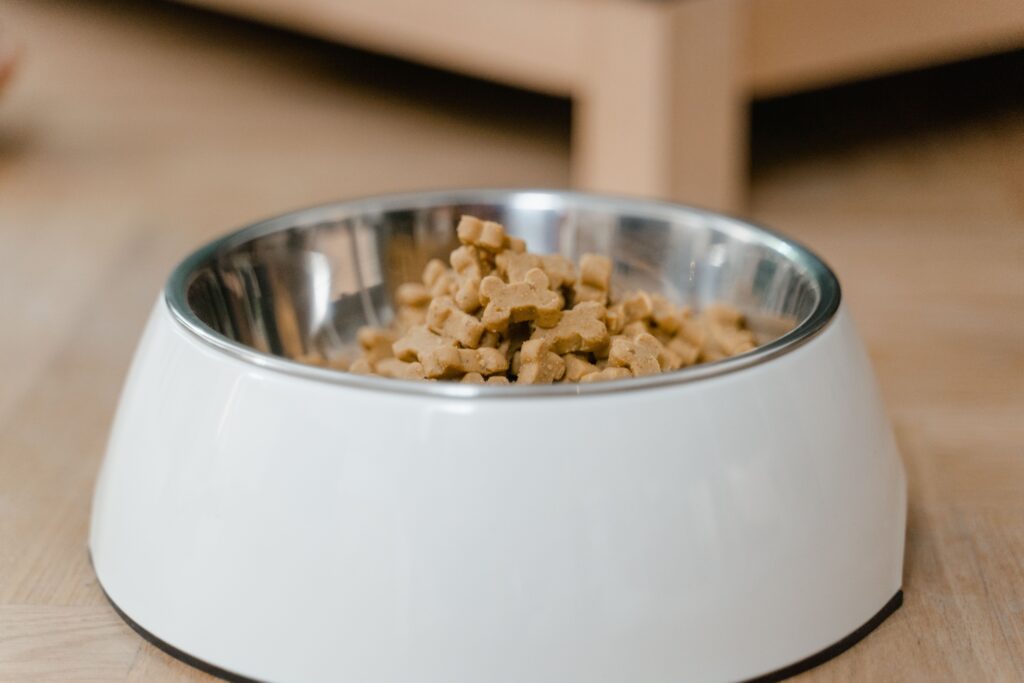
Scooping food into a bowl without measuring it can make it surprisingly difficult to know how much your puppy is actually eating. Instead, use the feeding guide provided with the food as your starting point and measure portions consistently using appropriate measuring equipment or kitchen scales.
Remember that feeding guides are only starting points. Your puppy’s age, weight, expected adult size, activity level, body condition and the calorie content of the food can influence how much they need. Don’t forget to account for treats and other foods given throughout the day.
WSAVA also advises pet owners to look beyond marketing claims when choosing pet food and consider useful nutritional information such as calorie content, nutritional expertise and whether the manufacturer can provide detailed product information.
8. Switching to Adult Dog Food Too Early
Puppies are still growing, so their nutritional requirements are different from those of adult dogs.
Switching to an adult-maintenance food too early may mean your puppy is no longer receiving a diet formulated specifically to support growth. Choose a complete and balanced food appropriate for your puppy’s life stage and continue feeding an appropriate growth diet until your puppy is ready to transition.
There isn’t one transition age that suits every dog. Breed, expected adult size and individual development can all affect when a puppy reaches maturity. If you’re unsure when to change your puppy to adult food, ask your veterinarian.
9. Choosing Food Without Considering Expected Adult Size
Not every puppy grows at the same rate. A tiny breed and a puppy expected to become a very large adult dog can have different nutritional considerations during growth.
This is particularly important for large and giant breeds because excessive energy intake and inappropriate nutrition during growth can contribute to developmental problems. RSPCA Australia specifically cautions against overfeeding growing puppies, particularly large and giant breeds.
Choose a complete and balanced puppy food suitable for your puppy’s life stage and expected adult size. If you’re unsure which formula is appropriate, speak with your veterinarian.
10. Ignoring Your Puppy’s Individual Needs
Feeding charts are useful, but puppies aren’t photocopies of one another.
Age, breed, expected adult size, activity level, body condition, health and growth rate can all affect an individual puppy’s nutritional needs. Monitor your puppy’s growth, appetite and body condition rather than relying entirely on a number printed on a feeding chart.
Their needs will also change as they grow, so review their feeding routine and portion sizes regularly. If your puppy consistently refuses food, experiences unexplained weight changes, develops ongoing digestive problems or you’re concerned about their growth, contact your veterinarian.
How to Build Healthy Puppy Feeding Habits
Healthy feeding doesn’t need to be complicated.
Start by choosing a complete and balanced puppy food appropriate for your puppy’s growth stage. Follow the feeding information provided with the food as your starting point and measure meals rather than estimating portions. Try to feed your puppy at reasonably consistent times each day and keep fresh drinking water available.
Keep track of treats too. A few small rewards throughout the day may not seem significant, but they still contribute to your puppy’s overall food intake. Most importantly, watch the puppy in front of you. Their growth, body condition, appetite and general health provide useful information about whether their feeding routine may need adjusting.
When to Ask Your Veterinarian for Advice
Occasionally eating slightly less doesn’t necessarily mean something is wrong, but changes in appetite can sometimes be associated with illness. Contact your veterinarian if your puppy persistently refuses food or has other concerning symptoms such as vomiting, diarrhoea, lethargy or unexplained weight loss.
Very young puppies can become unwell quickly, so don’t rely solely on changing foods or feeding techniques when your puppy appears sick.
Frequently Asked Questions
How much should I feed my puppy?
There isn’t one correct portion for every puppy. The amount your puppy needs depends on factors including age, weight, expected adult size, activity level, body condition and the calorie content of their food.
Start with the feeding guidance provided with the food, measure portions and monitor your puppy’s growth and body condition. If you’re unsure whether they’re receiving an appropriate amount, ask your veterinarian.
Can puppies eat human food?
Some human foods may be safe for dogs in appropriate circumstances, but others can be harmful or toxic.
Chocolate, grapes, raisins, onions and garlic are examples of foods puppies should not eat. RSPCA Australia provides a broader list of foods and substances that should be avoided. Avoid making table scraps a routine part of your puppy’s diet. If you want to offer a particular food, first check that it’s appropriate for dogs and suitable for your individual puppy.
When should I switch my puppy to adult food?
There isn’t one age that’s right for every puppy. The timing depends partly on breed, expected adult size and individual development. Smaller dogs generally reach maturity sooner than larger breeds. Check the guidance provided with your puppy’s food and ask your veterinarian if you’re unsure when to transition.
What should I do if my puppy won’t eat?
A puppy may occasionally eat less because of changes in routine, environment or food, but persistent loss of appetite can also be associated with illness. Avoid repeatedly changing foods simply to encourage your puppy to eat.
If your puppy continues refusing food, seems unwell, is vomiting, has diarrhoea or you’re otherwise concerned, contact your veterinarian for advice.
Key Things to Remember About Puppy Feeding Mistakes
Avoiding common puppy feeding mistakes doesn’t require a perfect feeding routine. Measure portions instead of guessing, keep treats under control, introduce new foods gradually, provide fresh water, choose food appropriate for growth and maintain reasonably consistent mealtimes.
Feeding guides are useful starting points, but your individual puppy matters more than any generic chart. Monitor their growth, appetite and body condition and seek veterinary advice when something doesn’t seem right.