
Bringing home a puppy is exciting, but the first few days can feel surprisingly busy. Between toilet breaks, feeding, settling in and keeping a curious puppy out of trouble, it helps to have the important decisions made before they arrive.
This new puppy checklist covers the practical things to organize before pickup day, from puppy-proofing your home and finding a vet to planning where your puppy will sleep and how you will handle their first few hours at home.
You do not need to have everything perfect. A safe home, a simple routine and a little preparation will make the transition much easier for everyone.
Table of Contents
New Puppy Checklist: Before Your Puppy Arrives
Before pickup day, try to have these basics organised:
- Puppy-proof the areas your puppy will use.
- Choose a sleeping area.
- Decide where your puppy will toilet.
- Find a local veterinarian.
- Collect your puppy’s health and vaccination records.
- Ask what food your puppy currently eats.
- Have essential puppy supplies ready.
- Decide on basic household rules.
- Plan how you will transport your puppy home safely.
- Keep your schedule relatively quiet for the first few days.
You can organise many of these things well before your puppy arrives, leaving you more time to concentrate on helping them settle in.
Puppy-Proof Your Home
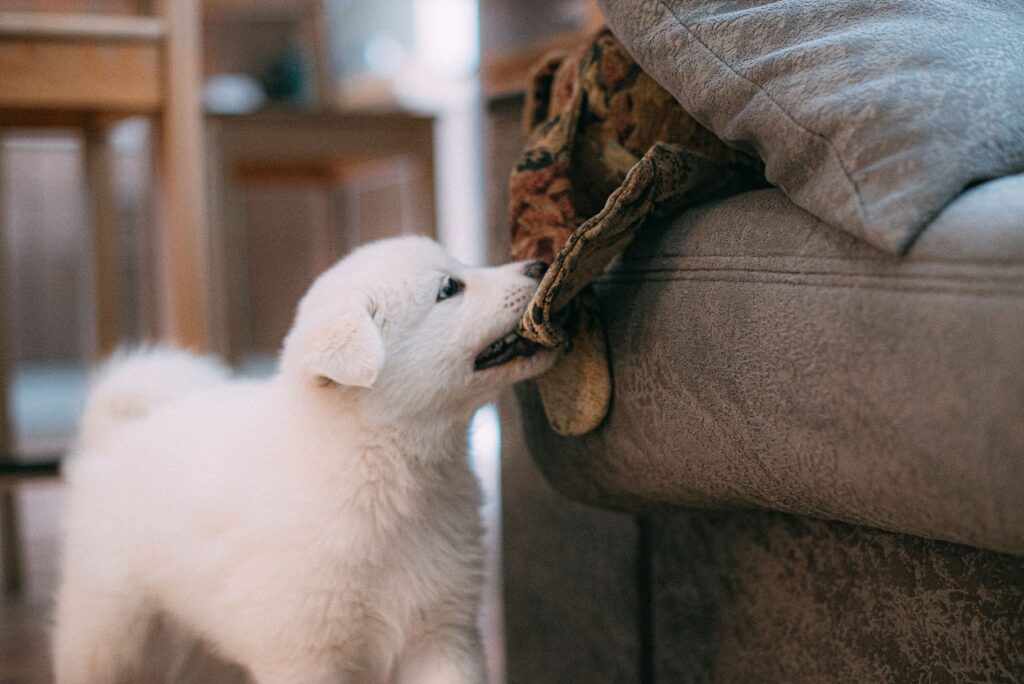
Puppies explore with their noses and mouths, which means ordinary household objects can quickly become tempting. Walk through the rooms your puppy will have access to and look at them from puppy height. Secure loose electrical cords and move medicines, household chemicals and cleaning products somewhere your puppy cannot reach.
Pick up small objects that could be swallowed, including children’s toys, batteries, hair ties and other loose items. Keep rubbish bins secure and check whether any indoor or garden plants accessible to your puppy could be harmful to dogs. Baby gates can be useful if there are rooms or stairs you don’t want your puppy accessing immediately.
You don’t necessarily need to give a new puppy access to the entire house. Starting with a smaller, safe area can make supervision easier while your puppy learns the household routine.
Choose Where Your Puppy Will Sleep

Decide where your puppy will sleep before bringing them home rather than making the decision at bedtime. Choose somewhere quiet, comfortable and protected from extreme temperatures. Depending on your setup, this might include a puppy bed, crate or secure puppy pen.
If you’re choosing a sleeping setup, see our guide to the best puppy beds for comfortable and practical options.
For the first few nights, some puppies cope better when their sleeping area is reasonably close to their new family. Remember that your puppy has suddenly left familiar surroundings and may need time to become comfortable sleeping in a new environment. If you plan to use a crate, introduce it positively. It should feel like a safe resting place rather than somewhere your puppy is sent as punishment.
If you plan to crate train your puppy, see our guide to the best puppy crates for safe and comfortable sleep.
Decide Where Your Puppy Will Toilet
Choose your puppy’s toilet area before they arrive. Having a designated area makes it easier to be consistent from the beginning. Take your puppy there regularly, particularly after waking, eating, drinking and playing. Young puppies usually need frequent toilet opportunities and accidents should be expected while they are learning.
Avoid punishing your puppy for indoor accidents. Clean the area thoroughly and continue giving them regular opportunities to toilet in the appropriate place.
If your puppy is not fully vaccinated, ask your veterinarian which outdoor areas are appropriate in your local area.
Find a Vet and Arrange the First Appointment
Don’t wait until your puppy becomes unwell to start looking for a veterinarian. Find a veterinary clinic before pickup day and ask when they recommend bringing your new puppy in for their first examination.
Bring any health information supplied by the breeder, shelter or rescue organization. Your veterinarian can review your puppy’s vaccination history and discuss parasite prevention, nutrition, microchipping and future healthcare.
It is also useful to know where your nearest after-hours or emergency veterinary service is located. Hopefully you will never need it, but having the details saved beforehand is easier than searching during an emergency.
Get Your Puppy’s Records Before Pickup
Before leaving with your puppy, make sure you understand their current care routine. Ask the breeder, shelter or rescue organization for any available vaccination and veterinary records, microchip information and details of treatments or medications your puppy has received.
Also ask:
- What food is the puppy currently eating?
- How much are they being fed?
- How often are they fed?
- When was their last meal?
- What is their current sleeping routine?
- Have they started toilet training?
- Are there any known health or behavioural concerns?
Keeping familiar parts of your puppy’s routine during the first few days can help make the transition less abrupt.
Plan Your Puppy’s Food and Feeding Routine
Find out what your puppy currently eats before bringing them home. If practical and appropriate, having some of the same food available can help you avoid an unnecessary sudden diet change on an already eventful day.
If you’re deciding what to feed your puppy, see our guide to the best puppy food for small, medium and large breeds.
If you want to change foods, transition gradually rather than suddenly unless your veterinarian advises otherwise. Abrupt changes can contribute to digestive upset in some puppies. Choose a complete and balanced food appropriate for your puppy’s growth stage and provide fresh drinking water.
Your puppy’s age, expected adult size, body condition and the food being fed can all affect how much they need, so avoid assuming that every puppy requires the same portion. Establishing reasonably consistent mealtimes also makes your puppy’s daily routine easier to manage.
Prepare the Essential Puppy Supplies
You don’t need a house full of puppy products before pickup day, but you should have the essentials ready. At minimum, think about food and water bowls, suitable puppy food, bedding, a collar or harness, identification, a lead, safe toys, cleaning supplies and whatever you need for secure transport.
For help choosing the right fit, see our guide to the best puppy harnesses for small and large breeds.
If you plan to use a crate or playpen, have it assembled before your puppy comes home. Buy for your puppy’s current needs rather than filling your trolley with products they may never use. Puppies grow quickly, and preferences for beds, toys and equipment can change as they mature.
If you’re putting together your puppy’s first toy collection, see our guide to the best puppy toys for chewing and playtime.
Agree on Household Rules Before Your Puppy Arrives
A puppy can become confused when different people expect different things. Before pickup day, talk with everyone in the household about the basic rules. Decide whether your puppy will be allowed on furniture, which rooms they can enter, where they will sleep and who will be responsible for feeding, toilet breaks and other daily care.
If you have children, teach them how to interact calmly with the puppy. Puppies need uninterrupted sleep and should have somewhere they can rest without being constantly picked up or followed. Adults should supervise interactions between young children and puppies. It also helps if everyone uses consistent cues during training rather than each person inventing their own words.
Prepare for Your Puppy’s Journey Home
Plan how you will safely transport your puppy before collection day.
Your puppy should be appropriately secured during the journey rather than moving freely around the vehicle. The appropriate setup may depend on your puppy, vehicle and local requirements. Bring a towel or washable blanket in case your puppy becomes carsick or has a toilet accident.
For a longer journey, plan appropriate breaks while taking your puppy’s vaccination status and local disease risks into account. Keep the trip calm. Your puppy is already dealing with unfamiliar people, smells, sounds and surroundings, so the journey home does not need additional excitement.
Plan the First Few Hours at Home

It can be tempting to invite everyone over to meet the new arrival, but your puppy may benefit from a quieter introduction. When you arrive home, give your puppy an opportunity to toilet and then introduce them gradually to their designated area. Let them explore at their own pace under supervision. Show them where their water, sleeping area and toilet area are located.
Some puppies immediately begin investigating everything. Others may initially appear cautious or tired. Give your puppy time rather than expecting a particular reaction. Try to avoid overwhelming them with visitors, constant handling or too many new experiences at once.
Prepare for the First Night
The first night is often one of the biggest concerns for new puppy owners. Have the sleeping area prepared before bedtime and keep the evening relatively calm. Give your puppy an opportunity to toilet before settling them for the night.
Some puppies may cry or wake during their first nights because everything around them is unfamiliar. They may also wake because they need to toilet. Avoid expecting perfect sleep immediately. Your puppy is learning a completely new routine, and settling can take time.
Start a Simple Routine From Day One
Puppies benefit from predictable daily patterns.
You don’t need a minute-by-minute timetable, but try to establish a basic rhythm around meals, toilet breaks, naps, play, short training sessions and bedtime. Young puppies need plenty of sleep, so make sure excitement is balanced with quiet opportunities to rest.
Training can also begin with very simple behaviors. Reward your puppy for things you want to encourage, such as toileting in the appropriate place, responding to their name or settling calmly. Short, positive interactions are more appropriate than expecting a young puppy to concentrate through long training sessions.
What Not to Do When Bringing Home a New Puppy
Preparation isn’t only about what you should do. A few common mistakes can make your puppy’s adjustment harder than necessary. Avoid changing everything at once. A new home is already a major change, so there is usually no need to introduce a new food, numerous visitors and an intense schedule immediately.
Don’t give your puppy unrestricted access to the whole house before it is safe to do so. Supervision and gradual access can prevent accidents and unwanted chewing. Avoid punishing toileting accidents or frightened behavior. Your puppy is still learning what is expected. Don’t assume a tired puppy needs more entertainment. Puppies need considerable rest, and an overtired puppy may have more difficulty settling.
Finally, don’t compare your puppy’s first few days too closely with someone else’s. Puppies differ in temperament, previous experiences and how quickly they adjust.
Frequently Asked Questions
What should I do before bringing a new puppy home?
Puppy-proof your home, prepare sleeping and toilet areas, find a veterinarian, organise your puppy’s records, learn their current feeding routine and have essential supplies ready. It also helps to agree on basic household rules before your puppy arrives.
What do I need for my puppy’s first day?
Have appropriate food, fresh water, bowls, bedding, safe toys, identification, a collar or harness, a lead and cleaning supplies available. You will also need a safe way to transport your puppy home.
When should I book my puppy’s first vet appointment?
It is a good idea to choose a veterinary clinic before bringing your puppy home. Ask the clinic when they recommend scheduling the first examination based on your puppy’s age, health history and existing veterinary records.
Should I change my puppy’s food when I bring them home?
There is usually no reason to make an abrupt food change simply because your puppy has moved home. Find out what they currently eat and, if you decide to change foods, transition gradually unless your veterinarian recommends otherwise.
Should everyone meet my puppy on the first day?
There is no need to turn your puppy’s arrival into a large gathering. A quieter first day can give your puppy time to explore, rest and become familiar with their new surroundings. Introductions to other people can happen gradually.
Where should a new puppy sleep?
Choose a safe, comfortable and quiet sleeping area before your puppy arrives. Depending on your household, this could be a bed, crate or puppy pen. During the first few nights, having the sleeping area reasonably close to you may make it easier to respond if your puppy wakes.
Final Thoughts
A good new puppy checklist is less about buying every puppy product you can find and more about creating a safe, predictable start.
Prepare your home, organize veterinary care, understand your puppy’s existing routine and decide how sleeping, feeding and toilet breaks will work before pickup day. There will still be unexpected moments once your puppy arrives, and that’s normal. Having the important basics organized means you can spend less time scrambling for supplies and more time helping your puppy become comfortable in their new home.